The ultimate South Kensington area guide
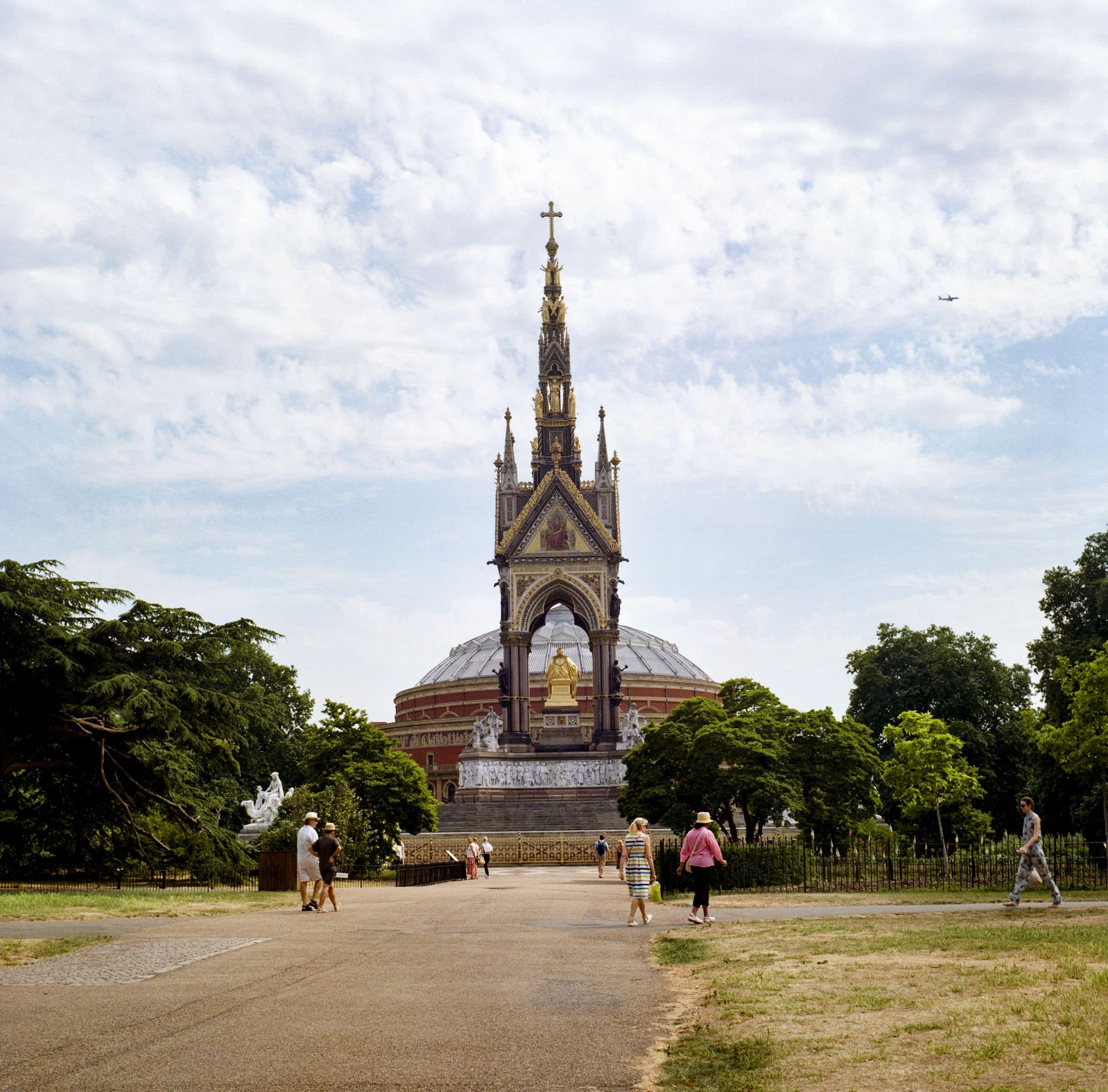
South Kensington has a particular atmosphere that sets it apart from other parts of London. Its grand Victorian buildings, leafy garden squares and widespread café culture give the neighbourhood a distinctly cosmopolitan character, while its quieter residential streets offer a more intimate view of life in West London.
Mornings might begin with an espresso and a freshly baked croissant on Bute Street. An afternoon could be spent exploring the galleries of the Victoria and Albert Museum, followed by a walk through Kensington Gardens. Beyond the familiar landmarks, narrow mews and peaceful residential lanes reveal a neighbourhood with a rich architectural history and a strong sense of place.
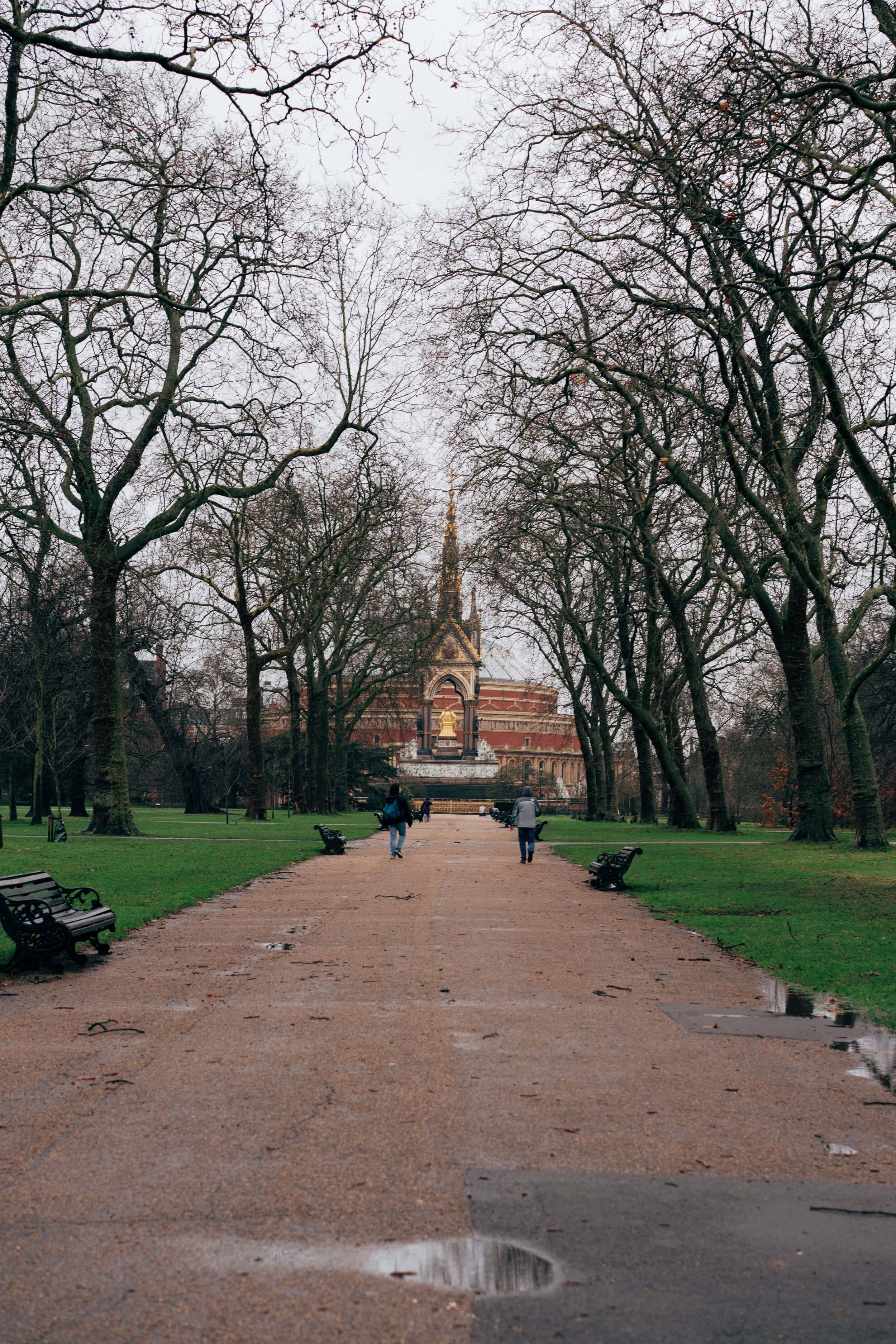
The ultimate guide to South Kensington
For visitors, South Kensington is one of London’s most rewarding cultural destinations. For residents, its appeal extends to excellent transport links, a varied dining scene, beautiful period properties and the convenience of having some of the capital’s finest museums and green spaces close at hand.
In this South Kensington area guide, we explore the neighbourhood’s history, its most distinctive mews streets, the best places to visit and eat at and what makes South Kensington such an appealing place to live.
The history of South Kensington
South Kensington’s identity was shaped in large part by the ambitions of the Victorian era.
Following the Great Exhibition of 1851, Prince Albert championed the development of a cultural and educational district dedicated to science, art and innovation. The resulting museum quarter, often referred to as Albertopolis, became one of London’s most important concentrations of cultural institutions.
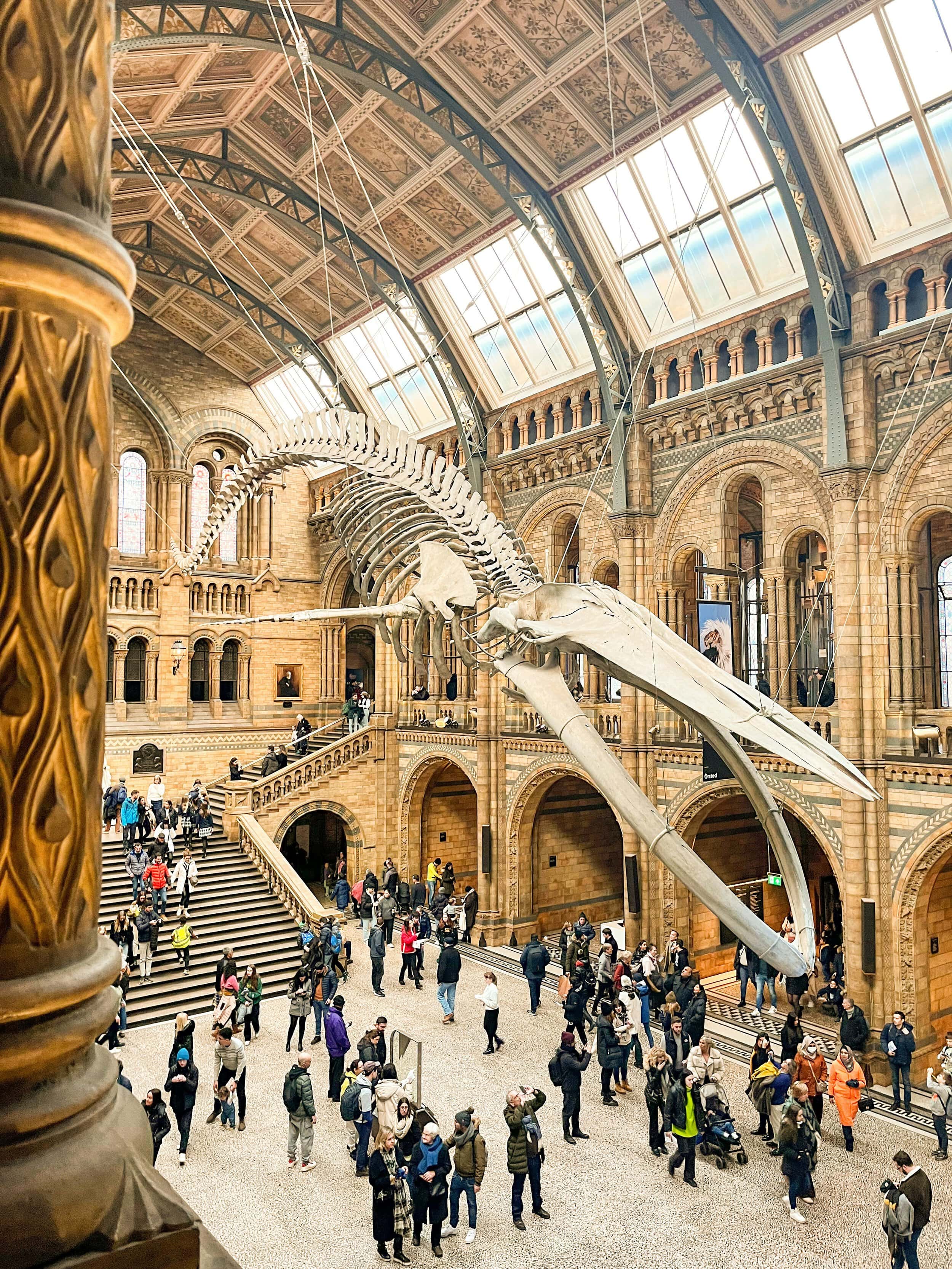
The Natural History Museum, Science Museum and Victoria and Albert Museum remain the area’s defining landmarks. Their monumental architecture and extensive collections attract visitors from around the world, but the streets surrounding them also tell a story of residential expansion and changing urban life.
As South Kensington developed during the nineteenth century, elegant terraces, mansion blocks and garden squares emerged alongside the cultural institutions. Many of these buildings remain in use today, their period façades concealing homes that have adapted to the demands of modern-day London living.
The neighbourhood also developed a strong international character, shaped by educational institutions, embassies and the French community. This influence is reflected in its cafés, bakeries and restaurants, giving parts of South Kensington a distinctly continental feel, as well as being home to the prestigious school, Lycée Français Charles de Gaulle de Londres.
The mews streets of South Kensington
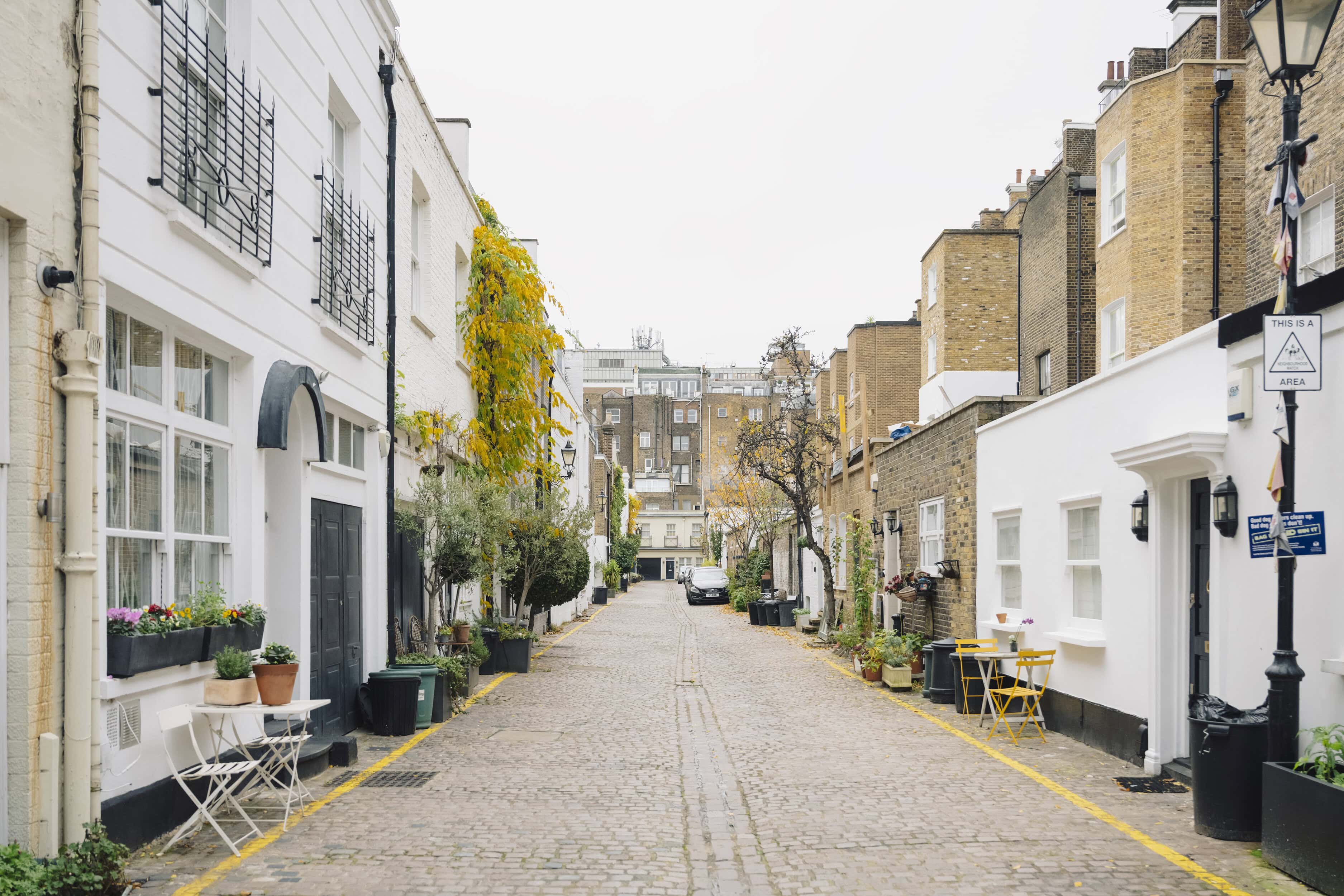
Beyond the museums and grand residential terraces, South Kensington’s mews streets offer a fascinating glimpse into the neighbourhood’s working past. They are beautiful to visit on a dry day in London and had to be included in our South Kensington area guide.
During the Georgian and Victorian periods, the large houses being built across London required space for horses, carriages, storage and domestic service. Mews developed behind or alongside the main residential streets to accommodate these practical needs.
Unlike the grand façades facing the principal roads, the buildings within mews were designed primarily for function. Stable doors, carriage entrances, modest upper-floor windows and cobbled surfaces reflected their original purpose.
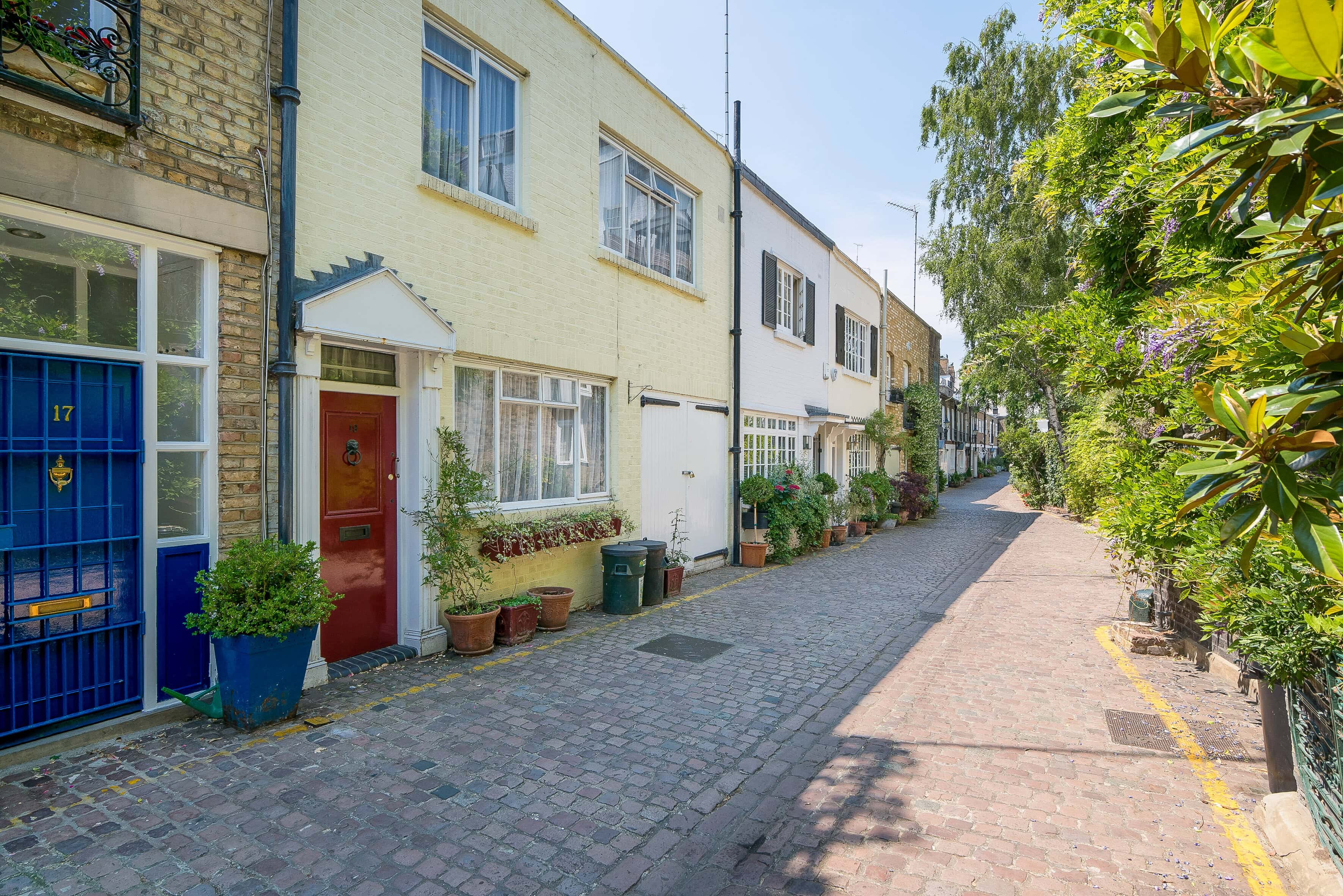
Over time, changes in transport and domestic life made many of these buildings redundant in their original form. Some became garages or workshops; others were gradually converted into private residences. Their transformation created a distinctive type of London home, often characterised by unusual layouts, compact proportions and architectural details that reveal the buildings’ former lives.
Today, mews houses are valued for their individuality and their position within established residential neighbourhoods. Some offer contemporary interiors behind traditional façades, while others retain original features that provide a tangible connection with London’s past. At Lurot Brand, we specialise in selling and letting these beautiful, unique properties, with dedicated teams on hand to provide a seamless, hassle-free experience tailored to each client’s individual needs.
What’s life like living in a mews street in South Kensington?
For Lurot Brand, South Kensington’s mews are more than picturesque backdrops. They illustrate the evolution of London housing and the appeal of properties that combine historical character with contemporary living. Their varied layouts and individual histories also make them a fascinating subject for anyone considering a distinctive London home.
With over 50 years of experience selling and letting London’s most desirable mews properties, we have an unrivalled appreciation for the character, history and charm of these unique streets. From tucked-away cobbled lanes to picturesque residential enclaves, every mews has its own story to tell. In our South Kensington area guide, we explore some of London’s most sought-after mews streets, each offering its own distinctive appeal.
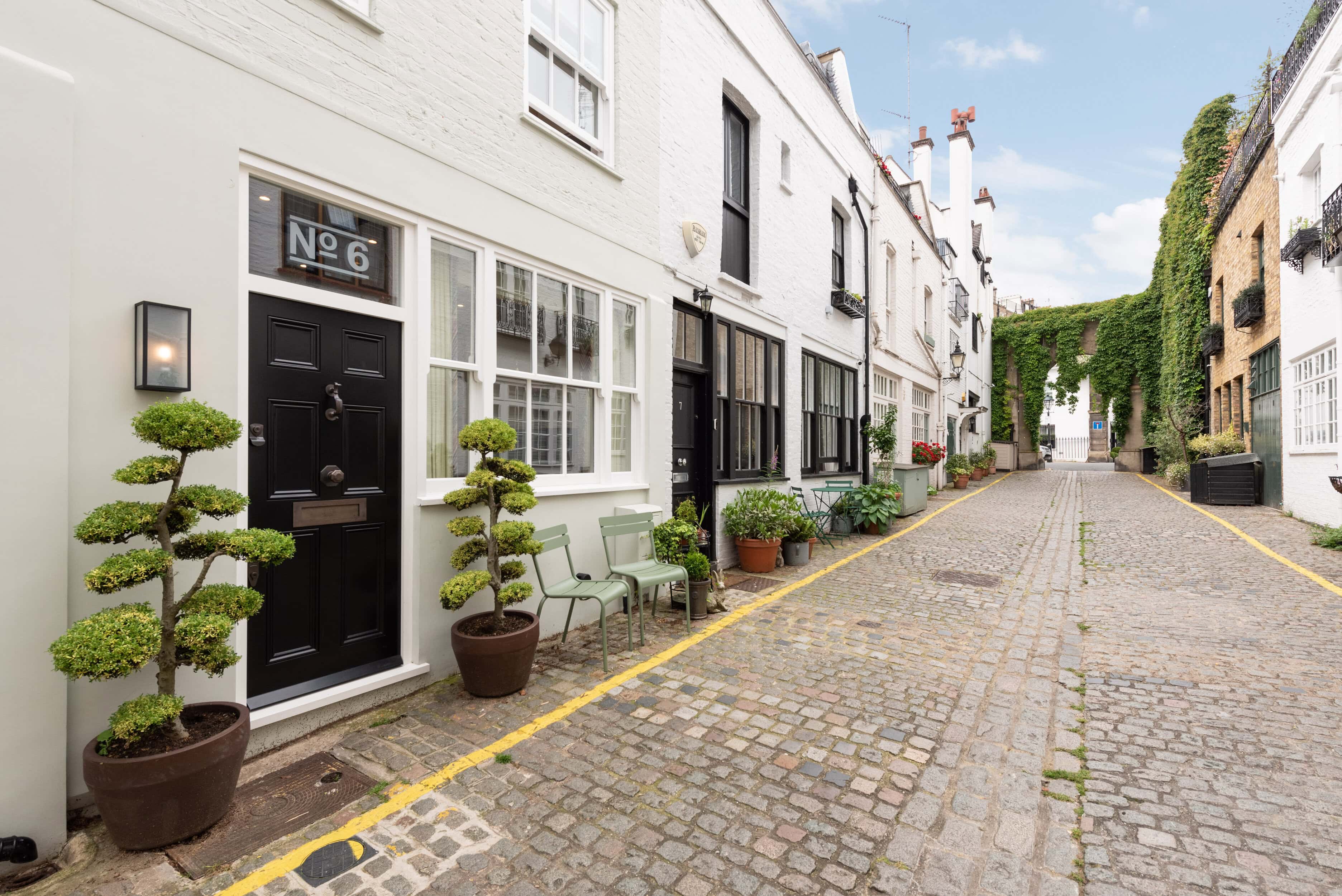
Tucked away off Courtfield Road in South Kensington, Astwood Mews is a characterful cobbled street lined with attractive period façades and a combination of residential properties and working garages. Gloucester Road’s shops, restaurants and Underground station are all close by, making it a convenient yet peaceful place to live. Astwood Mews also has a notable cultural connection, having once been home to Dame Margot Fonteyn, the celebrated ballerina.
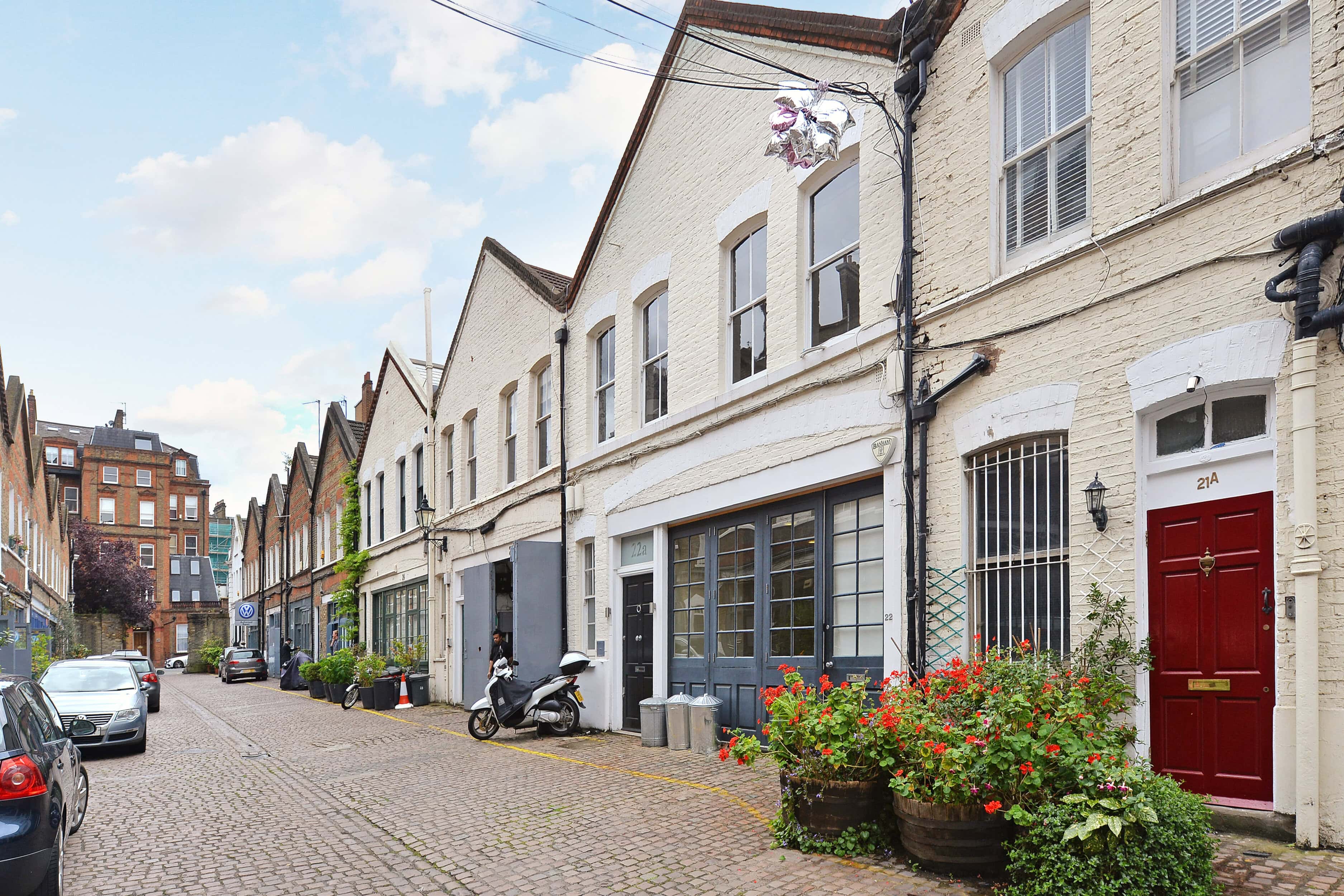
Located between Courtfield Road and Harrington Gardens, Colbeck Mews is a historic residential street within easy walking distance of Gloucester Road Underground station. Its origins date to the 1860s, and it is thought to take its name from the Reverend William Colbeck, a prominent local landowner. The name was formally adopted in 1875, and the surviving entrance arch remains a distinctive reminder of the mews’ Victorian past.
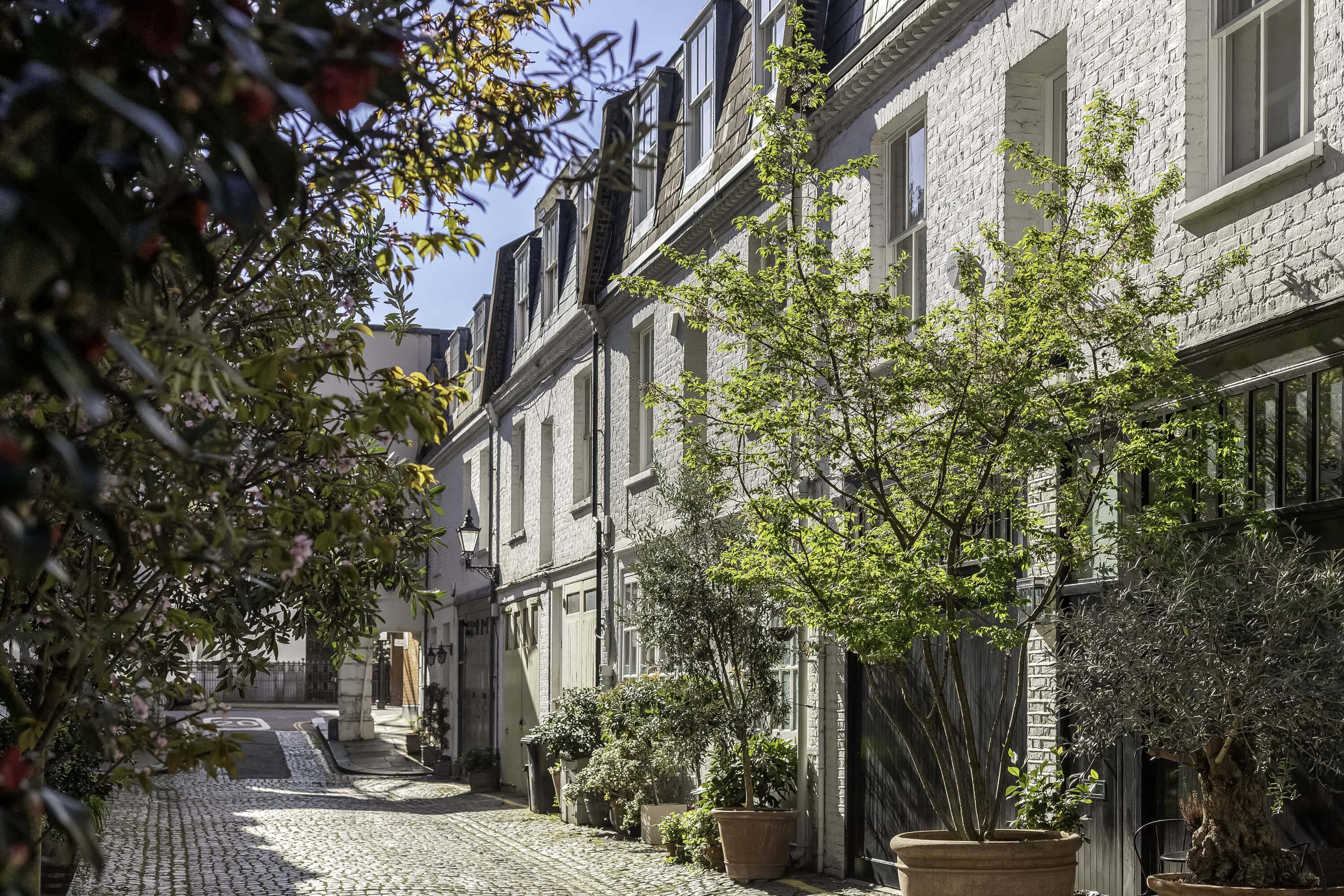
These former service buildings have since been converted into sought-after homes, preserving the area’s historic character while giving the properties a new purpose. Colbeck Mews has also made an appearance in popular culture: it was the setting for the gatefold sleeve photograph of Rod Stewart’s 1970 album Gasoline Alley.
Set beside the leafy surroundings of Bramham Gardens, Hesper Mews is an attractive cobbled street offering a quieter side of South Kensington. Its development formed part of the Gunter Estate, and the Survey of London describes it as having become the largest and finest of the local mews, laid out on particularly generous lines. Built in 1884-1885, it is believed to be among the last mews constructed in the area.
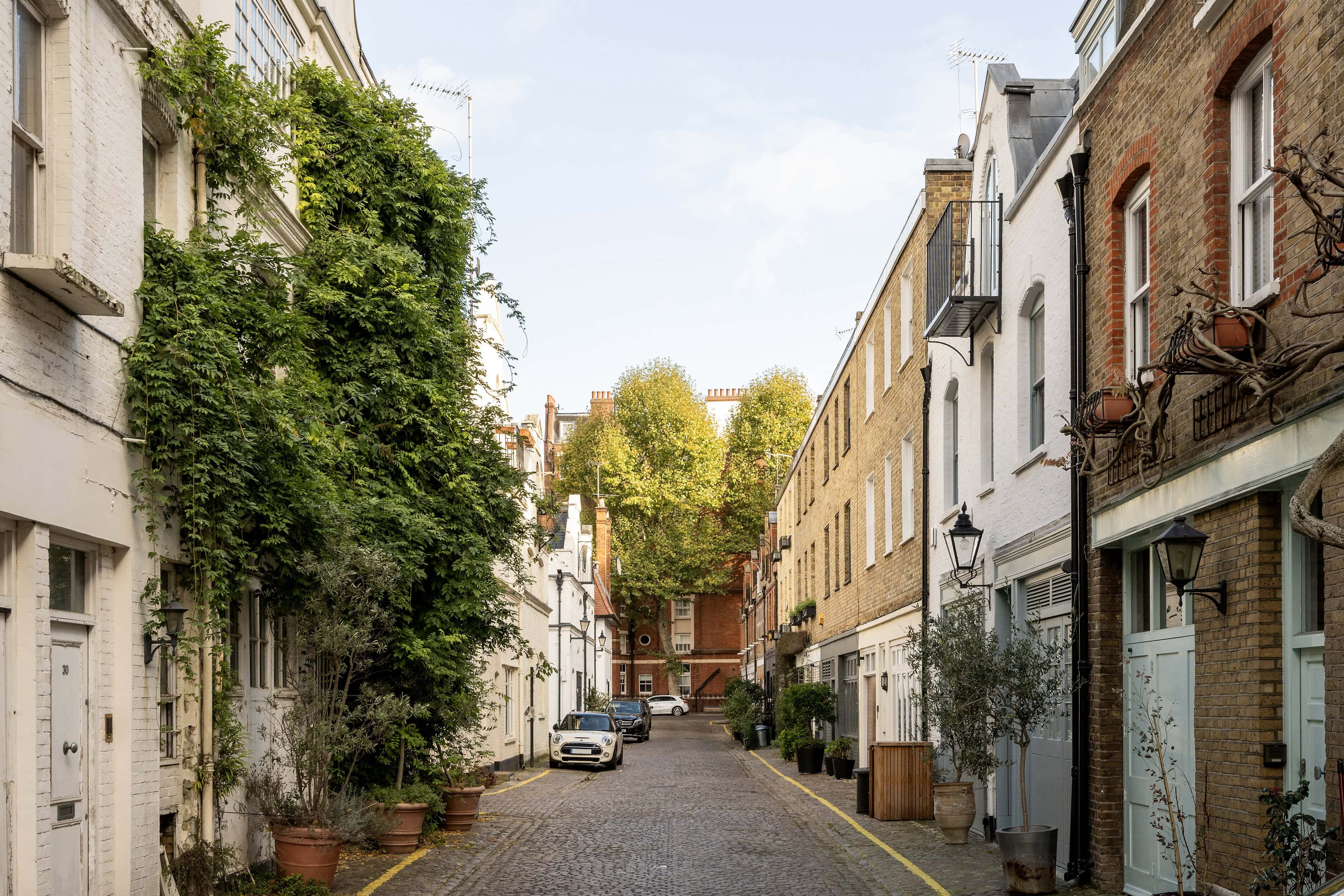
Hesper Mews has also been home to notable residents, including former Chelsea footballer Dennis Wise. Situated east of Earl’s Court Road, the street can be accessed from both Bramham Gardens and Collingham Gardens.
Few streets capture the picturesque appeal of London’s historic mews quite like Kynance Mews. Renowned for its cobbled surface, distinctive entrance arch and seasonal floral displays, it is one of South Kensington’s most recognisable and frequently photographed streets. Spring brings particularly striking displays of wisteria, while autumn introduces rich colours that complement the surrounding period architecture.
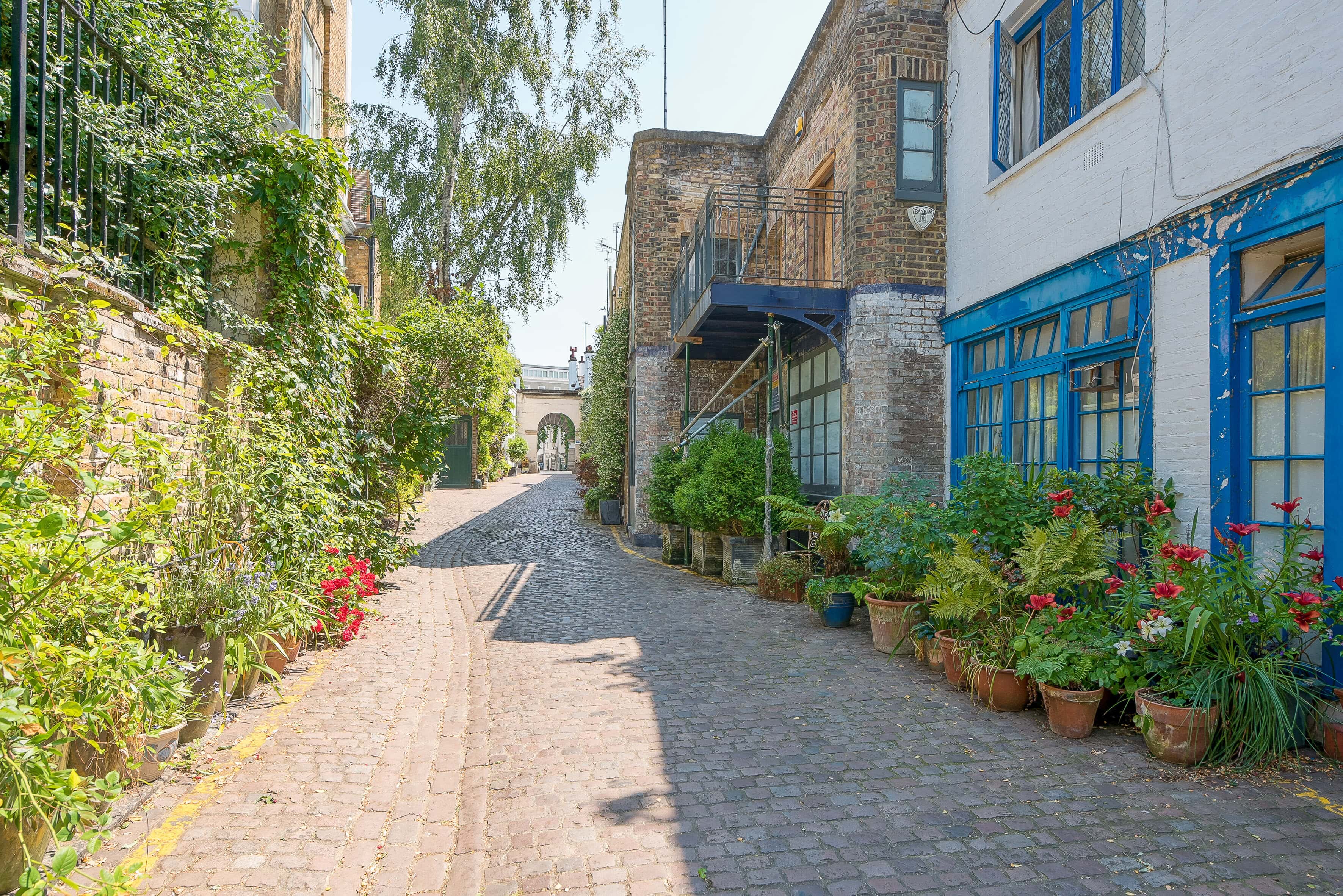
Developed between 1862 and 1879, Kynance Mews originally housed the stables and coach houses serving the grand Victorian residences of Cornwall Gardens. It was initially known as Cornwall Mews before taking its present name in 1924, inspired by Kynance Cove on Cornwall’s Lizard Peninsula. This Cornish influence is also reflected in nearby Launceston Place, named after the Cornish town.
Today, the former working buildings have largely been transformed into desirable private residences. The Grade II-listed stucco entrance arches remain an important architectural feature, alongside the long-established veterinary clinic that continues to form part of the street’s character. Kynance Mews has also attracted filmmakers, featuring in productions including Who Dares Wins (1982), Damage (1992) and the fourth season of Netflix’s You, as well as classic British films.
Queen’s Gate Mews is one of South Kensington’s most distinctive historic residential streets, combining Victorian architecture and cobbled lanes with a surprisingly peaceful atmosphere. Built in the early 1860s by William Jackson, of these former working buildings have since been converted into residential and commercial properties, retaining features such as period façades, iron balconies, traditional streetlamps and colourful window boxes.
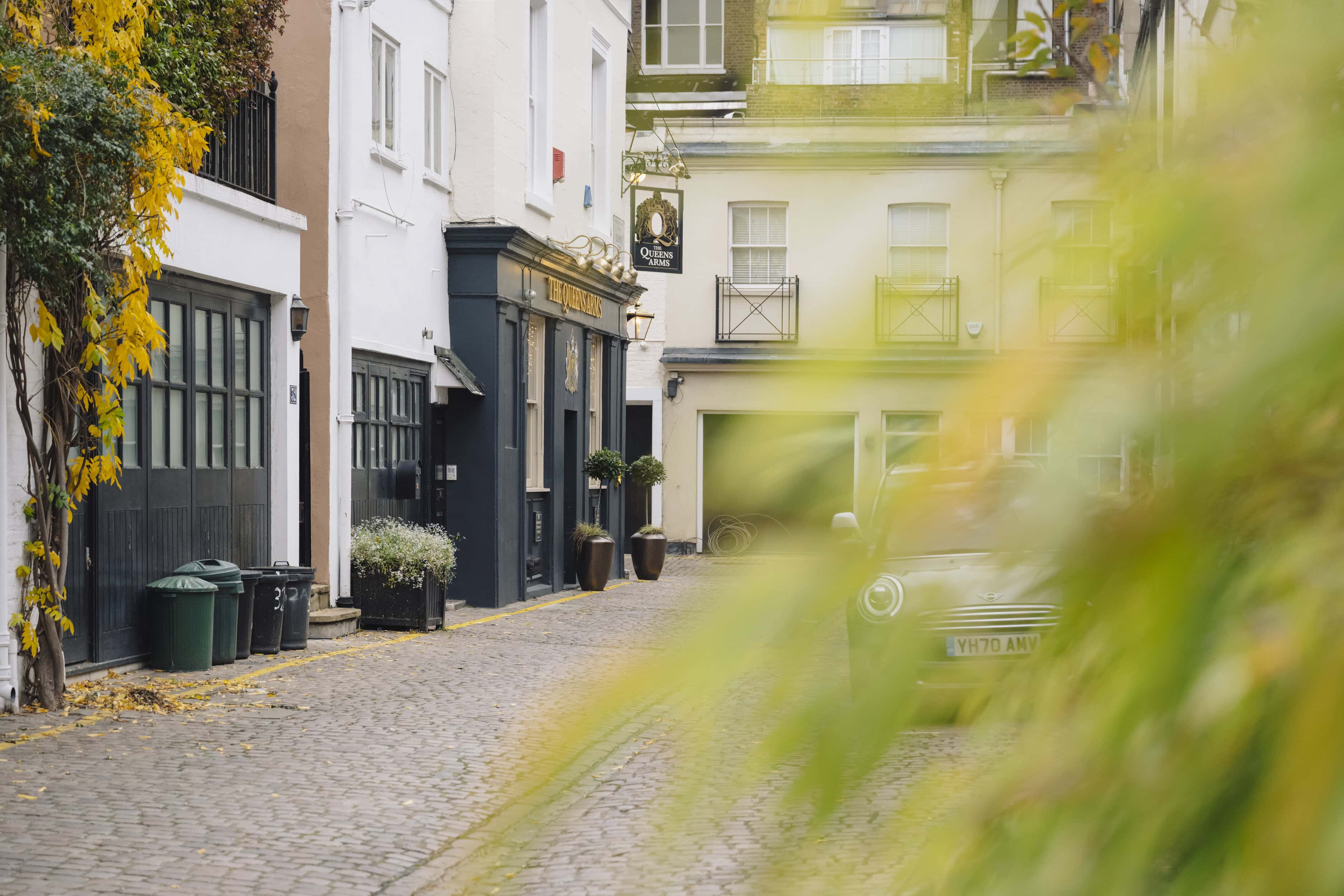
At the corner stands The Queen’s Arms, a historic local pub established in 1859. Originally serving the coachmen, stable hands and residents associated with the surrounding properties, it remains a familiar neighbourhood landmark, known for its welcoming atmosphere, food and selection of real ales. Its origins coincide with the Victorian expansion of South Kensington in the years following the Great Exhibition of 1851.
A rich history beyond the stables
Queen’s Gate Mews forms part of the Queen’s Gate Conservation Area and has a history that extends well beyond its original purpose. During the Second World War, the street sustained a direct hit from a high-explosive bomb, leaving another significant mark on its past. It also occupies an interesting place in the history of motoring: London’s first petrol pump was installed here in 1913. Although the original pump has long since disappeared, petrol pumps continued to operate on the site until 1998. The mews had already begun accommodating motor cars around the turn of the century, with purpose-built motor-car houses appearing from approximately 1898.
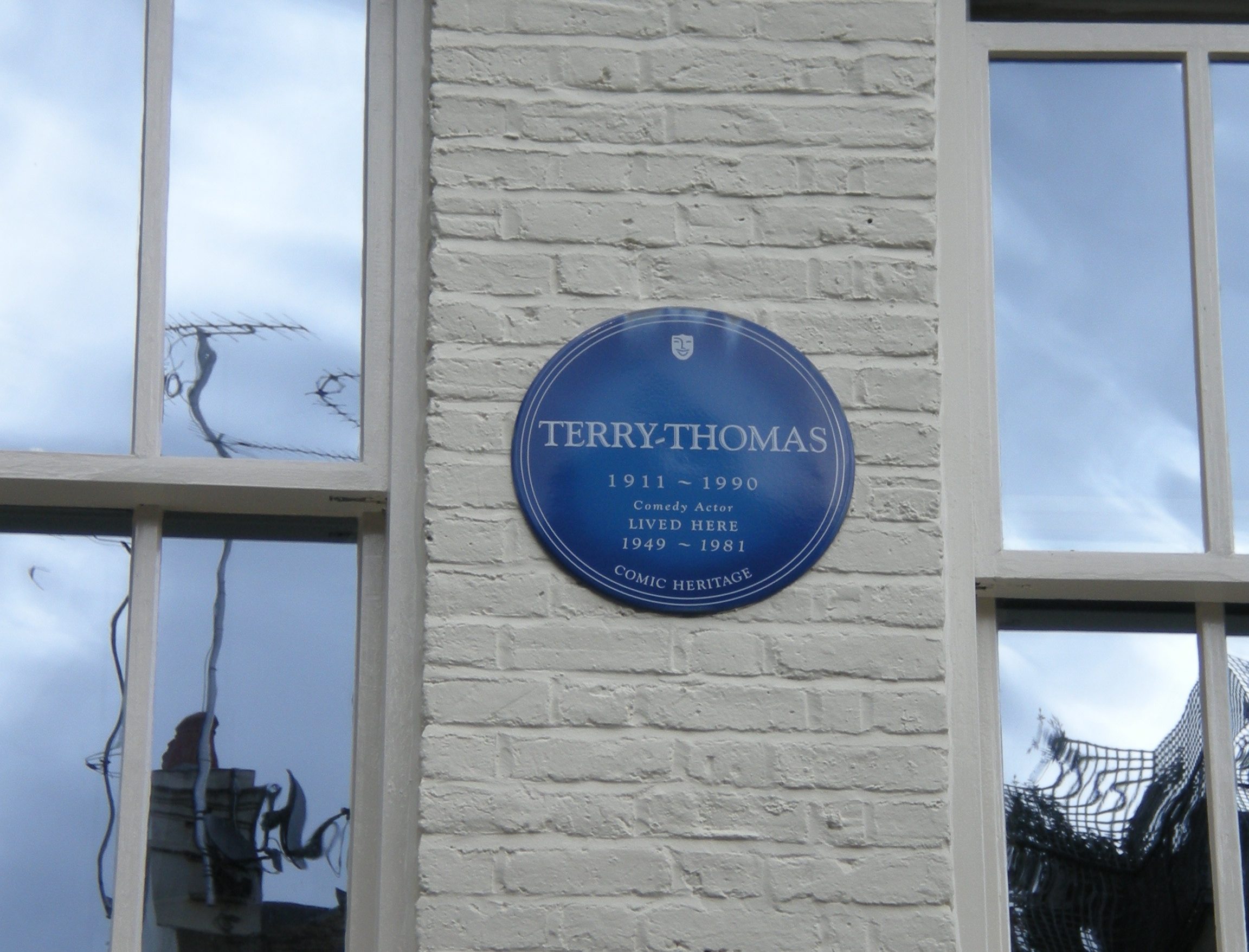
Queen’s Gate Mews has attracted figures from the worlds of art and entertainment. The renowned sculptor Sir Jacob Epstein lived and worked here and is commemorated by an English Heritage Blue Plaque. Comedy actor Terry-Thomas, known for his distinctive screen persona, also lived at number 11 between 1949 and 1981, where he is commemorated by a Comic Heritage Blue Plaque.
- Sir Jacob Epstein – celebrated sculptor, commemorated with an English Heritage Blue Plaque.
- Terry-Thomas – comedy actor, commemorated with a Comic Heritage Blue Plaque.
The mews’ cobbled streets and period architecture have made it an appealing backdrop for film productions. Its screen credits include Performance (1970), Layer Cake (2004) and The Bank Job (2008). It is particularly associated with Layer Cake, in which a property on the street served as the London home of Daniel Craig’s unnamed character. The location also attracted attention because a house on the mews was owned by filmmaker Guy Ritchie and Madonna during the early years of their marriage.
Stanhope Mews South is another appealing example of the smaller residential streets tucked away among South Kensington’s grander terraces. Away from the main thoroughfares, it offers an opportunity to appreciate the architectural details and intimate scale that distinguish London’s historic mews. For visitors exploring the area on foot, it provides a quieter alternative to the busier surrounding streets and a glimpse of the neighbourhood’s residential character.
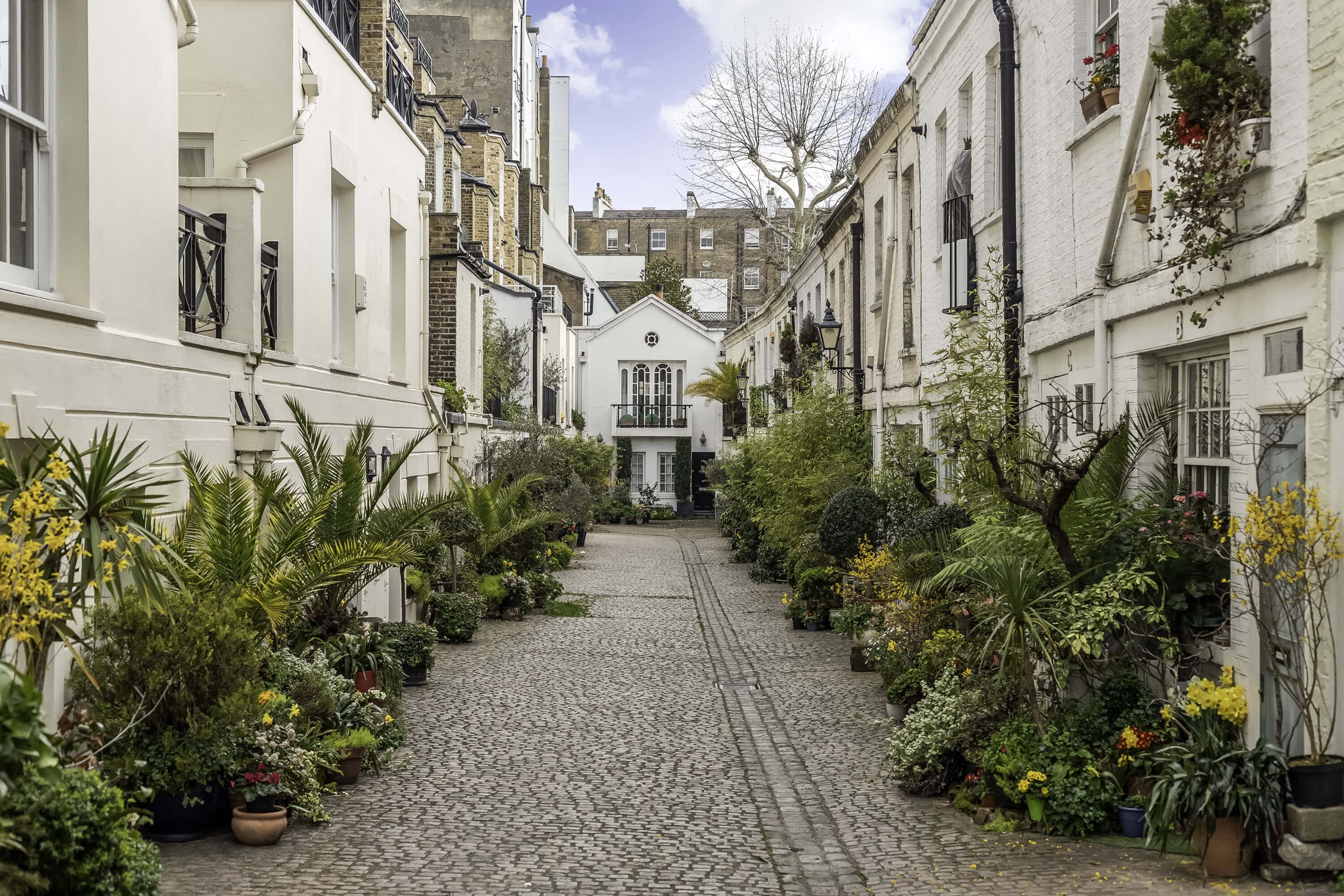
As with all London mews, it is worth remembering that these are lived-in streets rather than public attractions. Visitors should take care to respect residents’ privacy, avoid obstructing entrances and enjoy the architecture considerately.
The best things to do in South Kensington
Whether you’re lucky enough to call South Kensington home or are visiting for the day, there is plenty to discover in this elegant corner of London. Renowned for its world-class museums, beautiful garden squares, charming cafés and impressive architecture, the neighbourhood offers a wonderful amalgamation of culture, history and everyday London life. From exploring its celebrated cultural institutions to discovering independent boutiques, enjoying a leisurely lunch or escaping to the nearby green spaces, here are some of the best things to do in South Kensington.
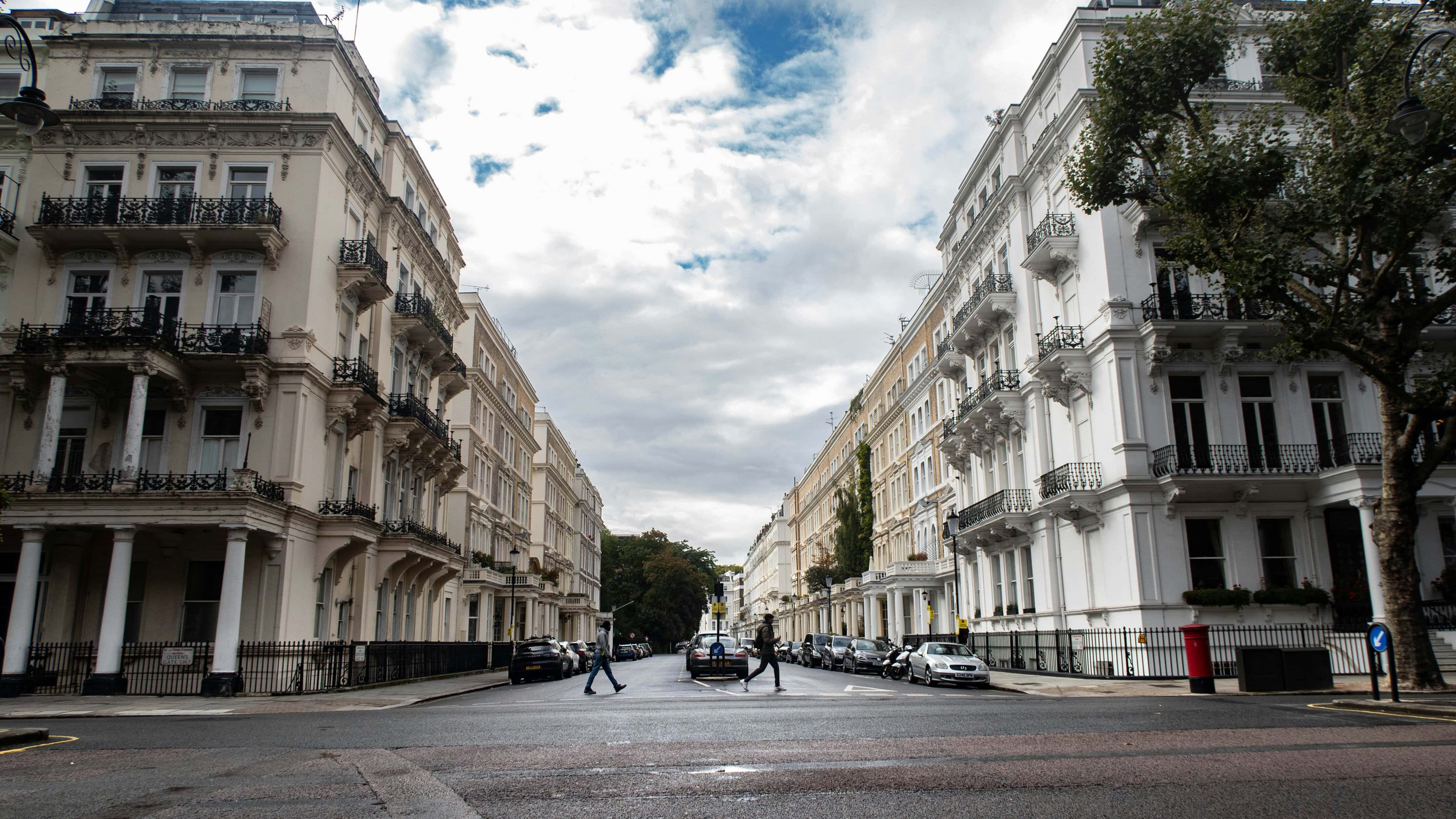
Explore the Victoria and Albert Museum
The V&A is an essential stop for anyone interested in art, design, fashion and decorative objects. Its collections span centuries and cultures, covering everything from jewellery and textiles to photography, furniture and ceramics. The museum’s interiors are also worth appreciating, with ornate galleries and architectural details that make a visit rewarding even without a specific exhibition in mind. Allow time to explore at your own pace. Rather than trying to cover the entire collection, choose a few galleries that interest you and leave room for a break at the museum café. Maybe worth highlighting a couple of current exhibitions?
Visit the Natural History Museum
The Natural History Museum is one of London’s most celebrated cultural landmarks. Its impressive architecture, monumental entrance hall and collections covering the natural world make it an attraction for visitors of all ages. The building itself is part of the experience, with intricate decorative details and an extraordinary sense of scale. It is particularly rewarding for families, architecture enthusiasts and anyone with an interest in the natural world. Could mention Wildlife Photographer of the Yearor Jurassic Oceans: Monsters of the Deep
Discover the Science Museum
The Science Museum offers an engaging introduction to innovation, technology and scientific discovery. Its galleries cover subjects ranging from space exploration to engineering and medicine. It is a useful complement to the Natural History Museum and V&A, although each institution deserves more time than a hurried visit. If you are planning a day in South Kensington, it is generally better to explore one or two museums thoroughly than attempt all three.
Walk along Exhibition Road
Exhibition Road connects several of South Kensington’s principal cultural institutions and is one of the most recognisable streets in the area. The surrounding architecture reflects the neighbourhood’s Victorian ambition, while the steady flow of visitors and students gives the street an energetic atmosphere. Continue towards the Royal Albert Hall and Kensington Gardens for a beautiful walk where you can appreciate the green spaces alongside the striking architecture of surrounding monuments.
Enjoy Kensington Gardens
Although the gardens extend beyond South Kensington itself, they are easily accessible from the neighbourhood and offer an attractive escape from the museum district. Tree-lined paths, open lawns and historic landmarks make them ideal for a leisurely walk.
Take a stroll down Bute Street
Bute Street is worth exploring for its cafés, food shops and neighbourhood atmosphere. Around the museum district, bookshops and museum shops provide opportunities to discover design-led gifts, books and objects inspired by the collections.
Where to have coffee in South Kensington
South Kensington’s café culture is one of its defining pleasures. Independent coffee shops and bakeries offer convenient places to pause between museums, browse local streets or settle into the rhythm of the neighbourhood.

Café Society
Café Society is a handy choice for a coffee and pastry while exploring the museum quarter. Open from 8am, its location makes it convenient for a relaxed break between cultural visits, particularly if you are spending the day around Exhibition Road.
Elixis, situated on Gloucester Road, is an independent brunch café known for its ingredient-led dishes, perfect for speciality coffee or a wholesome breakfast. It is worth considering if you are looking for something more substantial than a quick espresso before continuing your walk.
Bute Street is one of the area’s most appealing places to explore for a café stop, with an atmosphere that feels more neighbourhood-focused than the busiest museum entrances. Filo is a useful option for coffee, pastries and a casual breakfast.
For something more distinctive, the V&A Café offers the opportunity to enjoy refreshments within one of London’s most celebrated museums. Its spectacular interiors make it an appealing stop in its own right, particularly for those who appreciate architecture and decorative design.
Where to eat and drink in South Kensington
The local dining scene reflects South Kensington’s international character, with everything from casual cafés and traditional pubs to more formal restaurants.
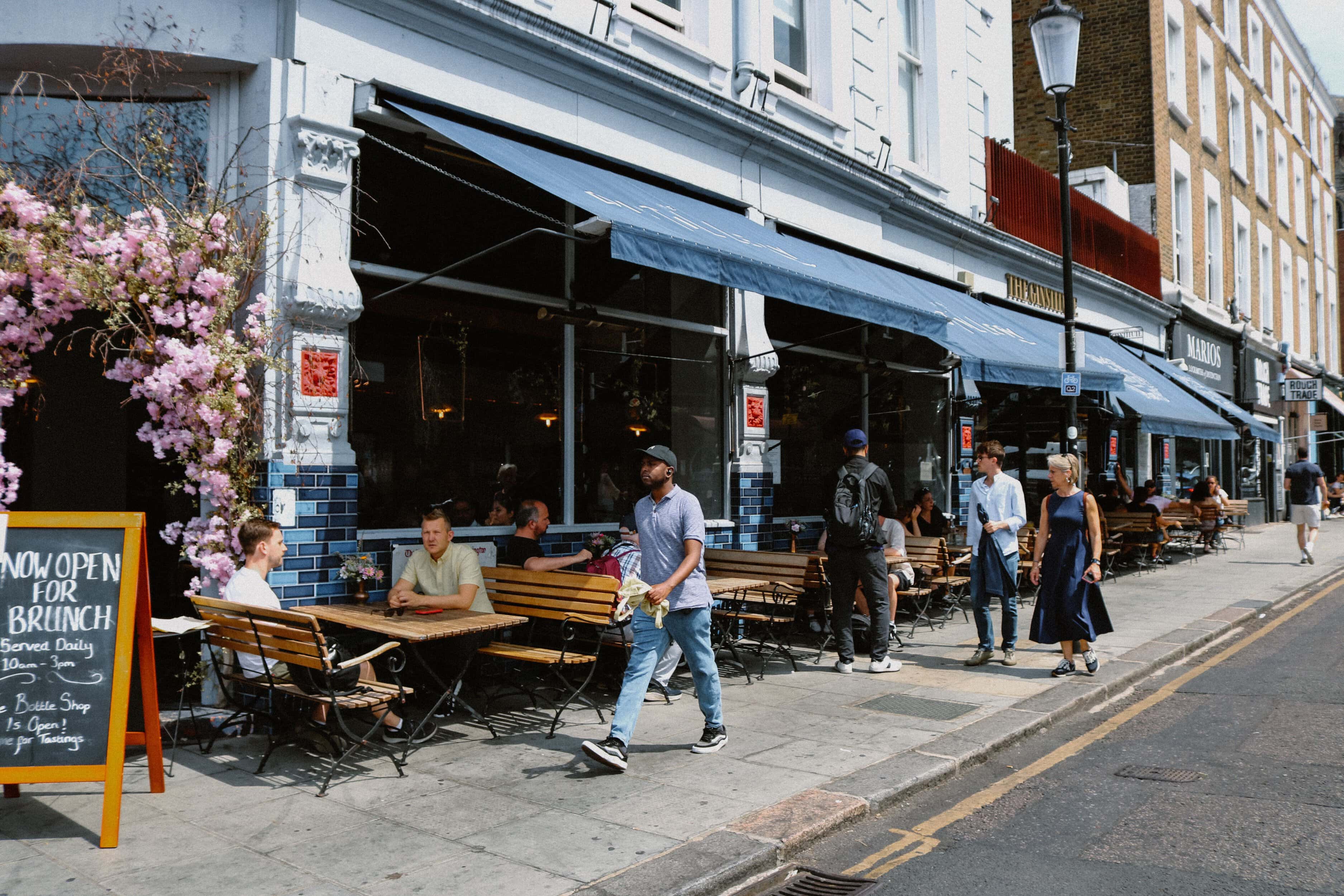
Located on Exhibition Road, Ognisko is known for its Polish cuisine and elegant setting, boasting a beautiful terrace and cocktail bar, alongside its stunning restaurant. It makes for a distinctive alternative to the more familiar restaurant choices around the museums and is particularly appealing for a leisurely lunch or dinner.
The Queen’s Arms, on Queen’s Gate Mews, is a traditional pub tucked away from the busiest streets. Its location makes it a useful discovery for those exploring the neighbourhood’s mews and residential architecture. It offers a more relaxed atmosphere than many of the larger dining venues nearby and is a natural stop after an afternoon of walking.
For a casual meal close to South Kensington Underground station, Khan’s of Kensington is a long-established option serving Indian cuisine. It is well placed for visitors looking for a straightforward dinner after exploring the museums.
For a more refined dining experience, Town House at The Kensington hotel offers an elegant setting for breakfast, afternoon tea or a leisurely meal. It is an ideal choice for a special occasion, offering delectable menus in an elegant setting adorned with chrome chandeliers and antique-style leather armchairs.
As with any London neighbourhood, restaurant menus, opening hours and booking arrangements can change. Check the latest information before visiting, particularly if you are planning a special occasion.
What’s life like living in a mews street in South Kensington?
Mews houses offer a distinctive style of living, with their unique history, beautiful exteriors and sense of privacy rarely found in central London. Each home has its own personality, with layouts that often differ from conventional London properties and offer opportunities for creative, individual interiors.
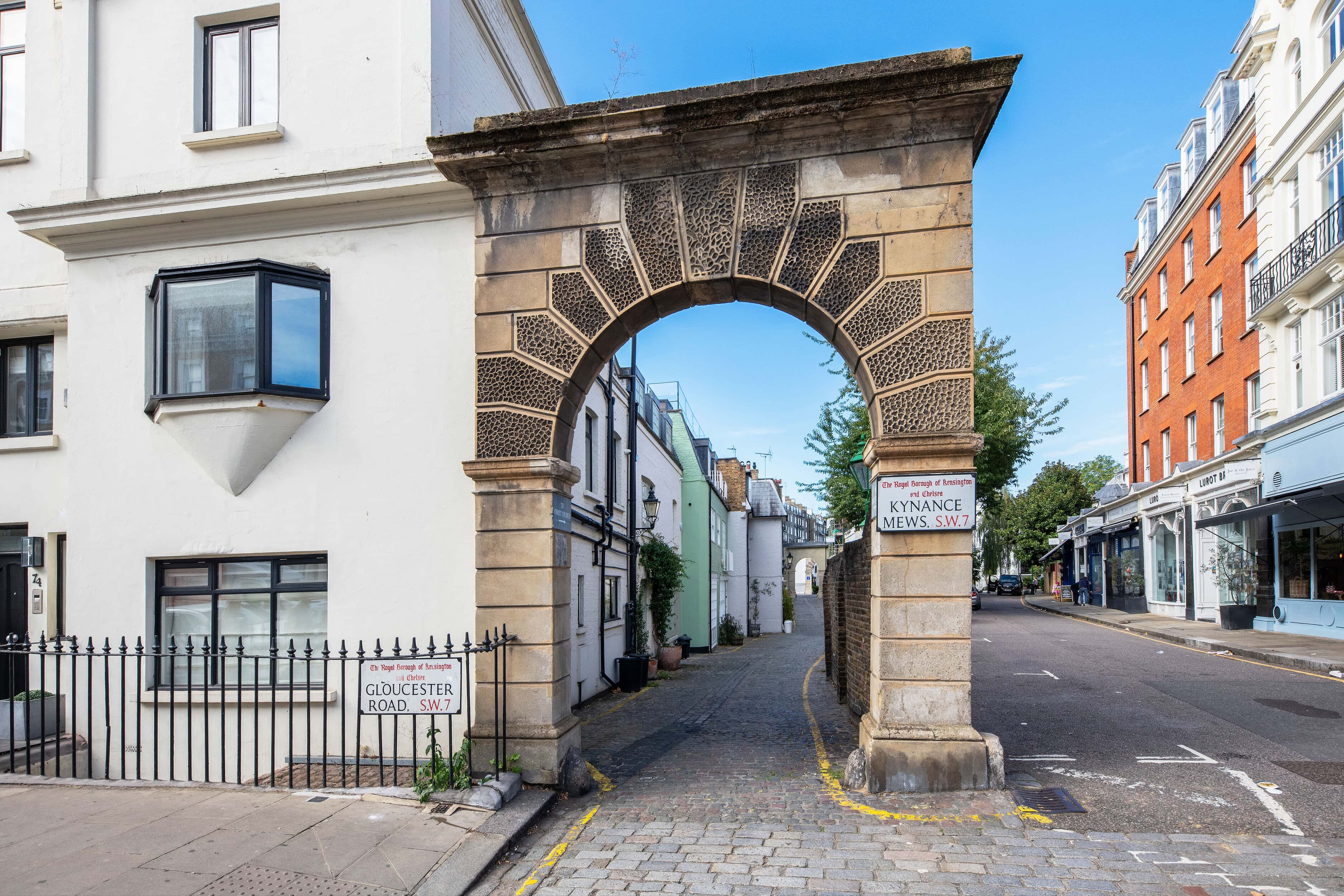
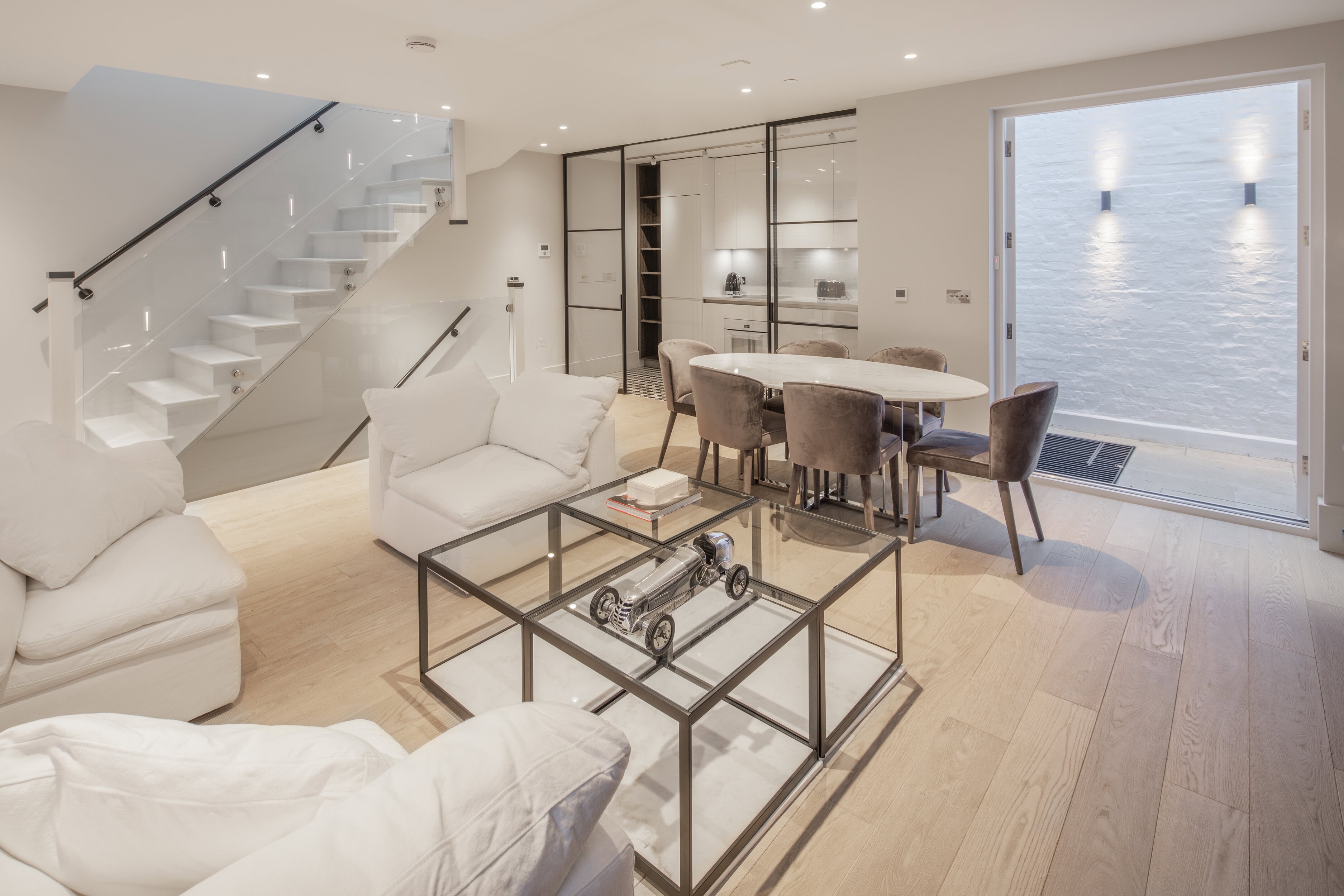
What makes mews living particularly appealing is the balance between character and practicality. Many homes have been thoughtfully reimagined to incorporate open-plan living, modern finishes and clever use of space, while features such as private courtyards, roof terraces and integral garages add to their appeal. Often tucked away from the main streets, mews houses offer a quieter, more intimate residential experience. With every property offering something different, they remain a distinctive and sought-after part of South Kensington’s property market.
Whether you’re considering making the neighbourhood home or visiting for the day, South Kensington invites you to explore at a gentler pace. From its world-class museums and charming cafés to its tucked-away mews and elegant residential streets, there is always something new to discover.
Thinking of buying or renting in South Kensington, or considering selling or letting your property? Email our team to discover how we can help you make your next move at enquiries@lurotbrand.co.uk.
Subscribe To Our Monthly Mewsletter
