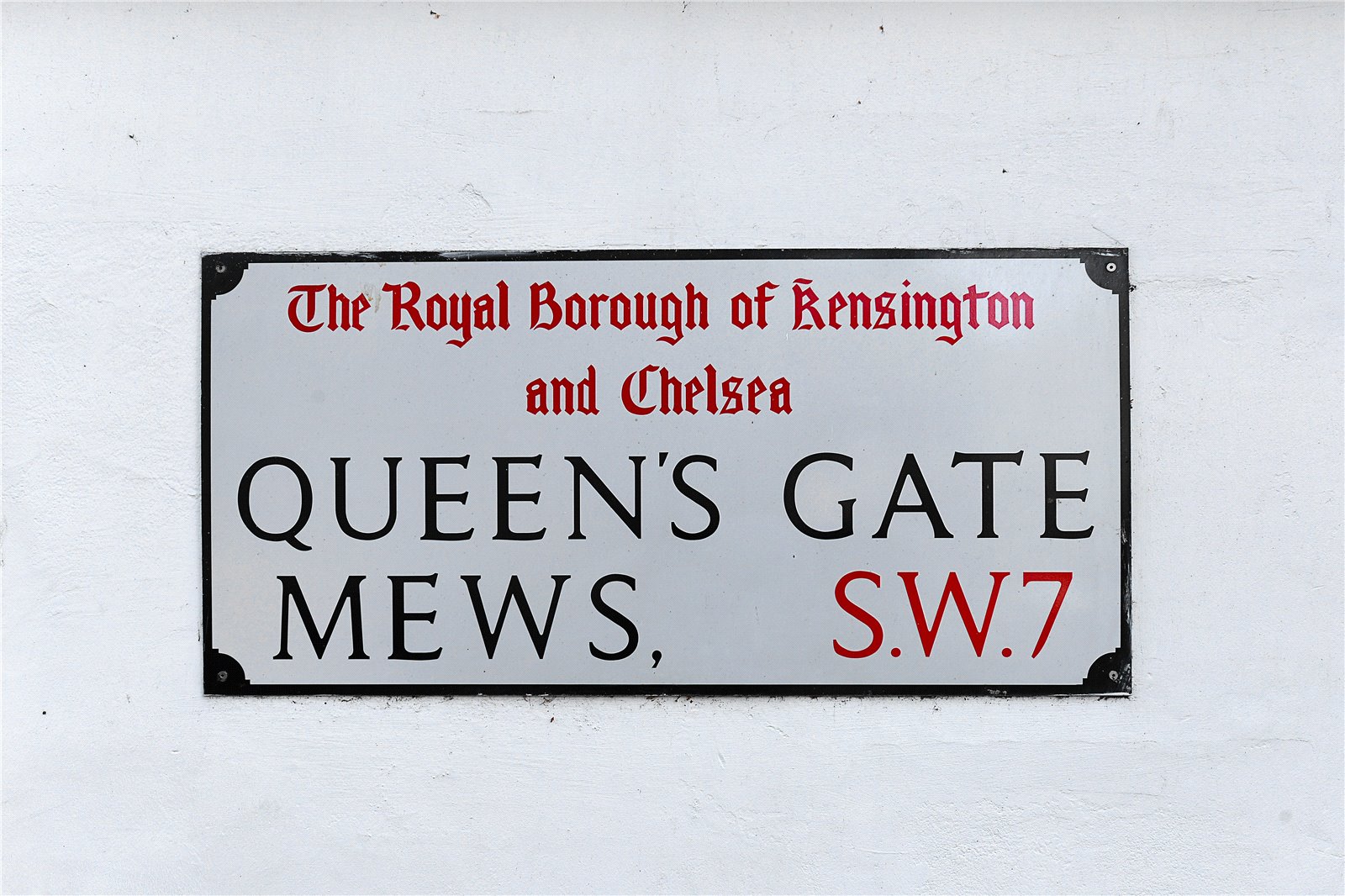
Queen’s Gate Mews, South Kensington, London, SW7
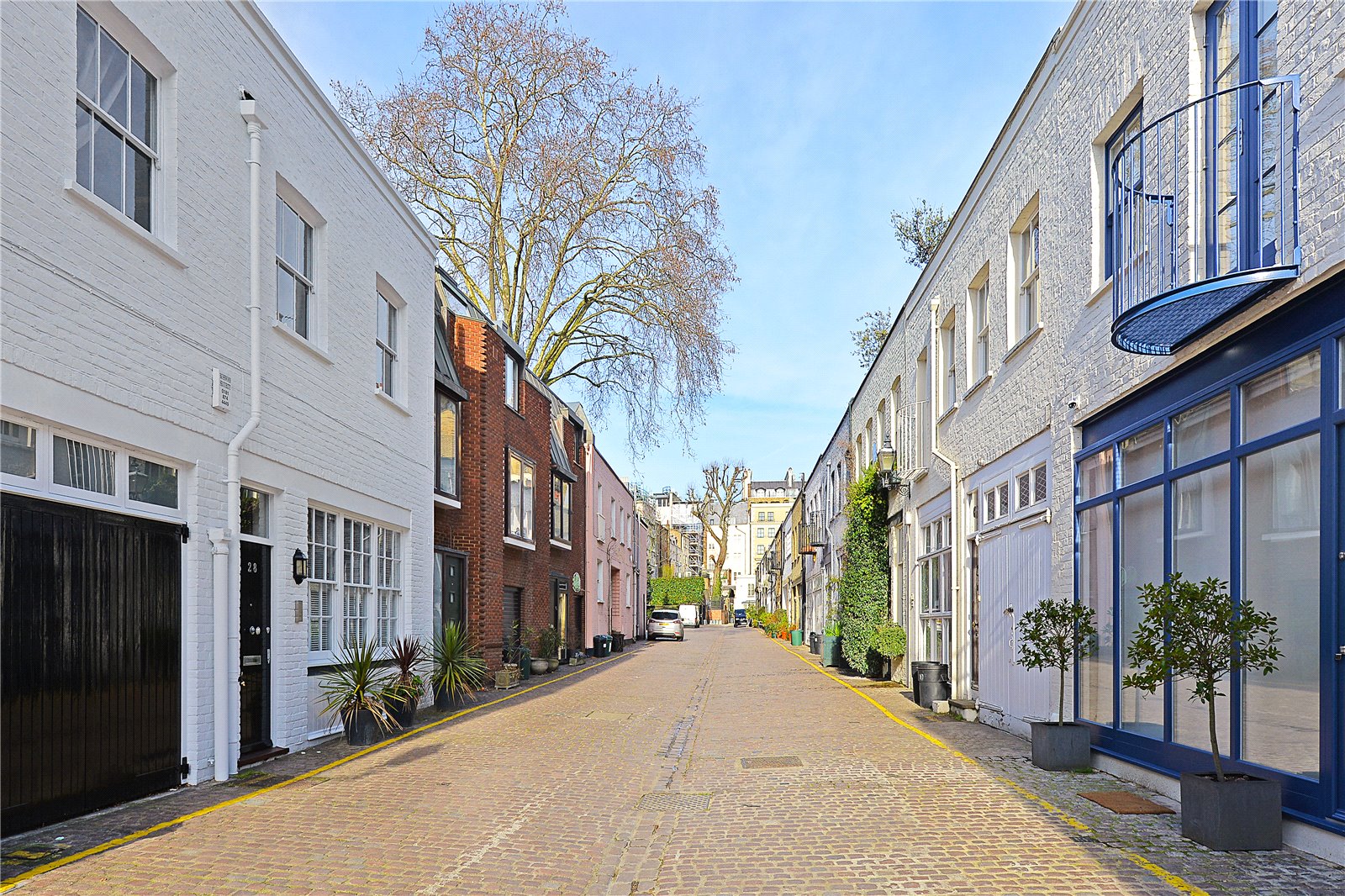
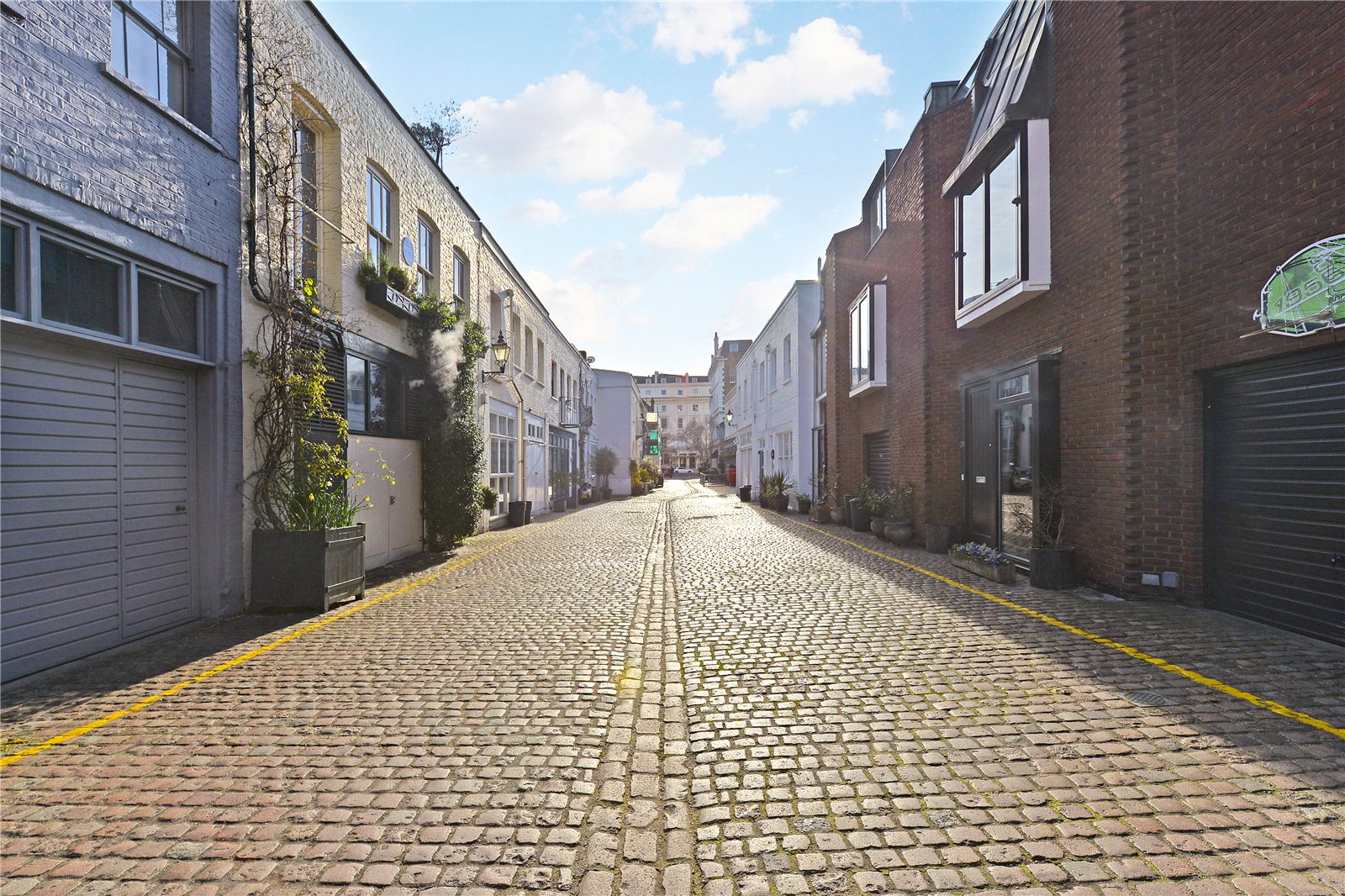
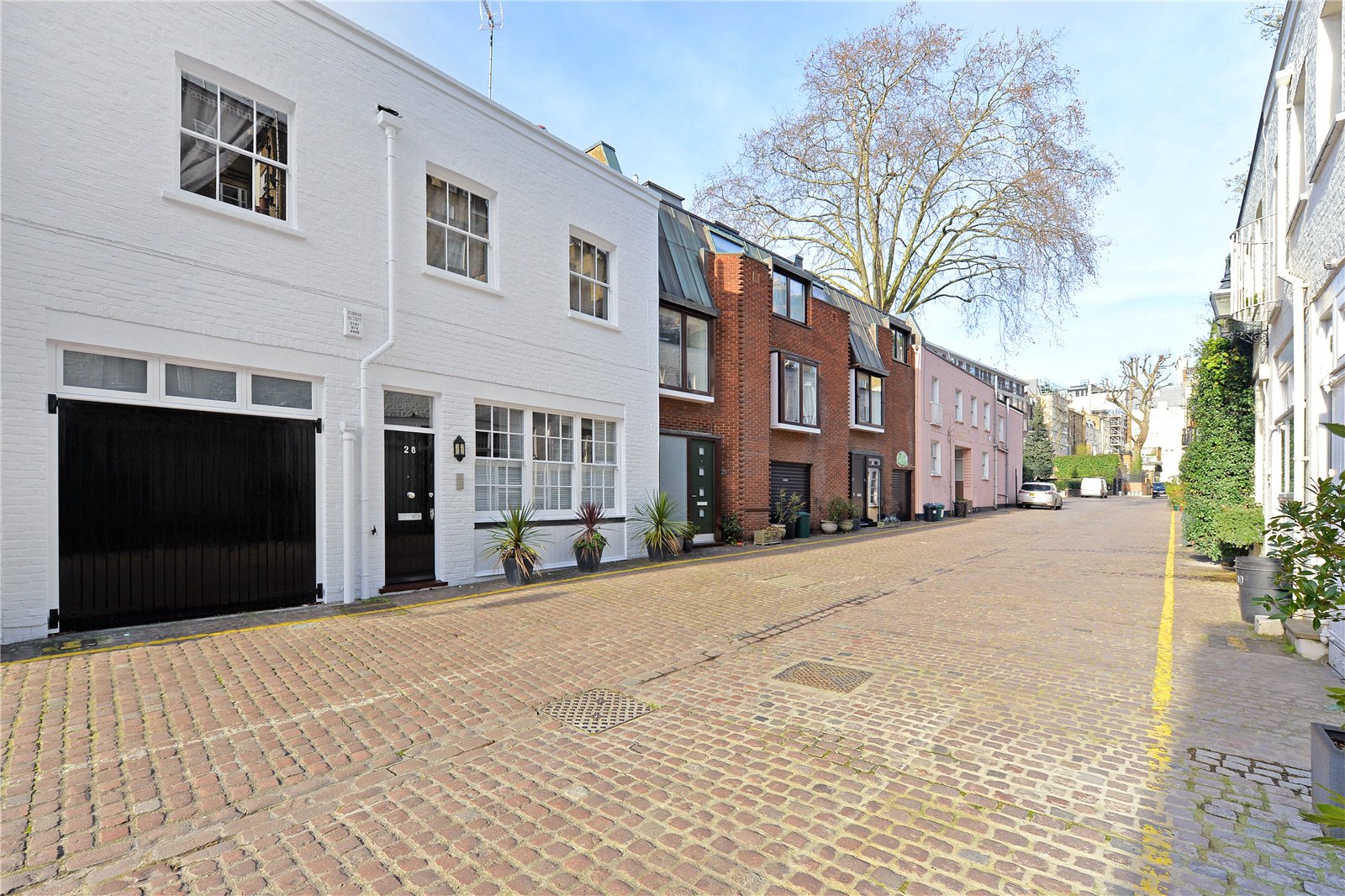
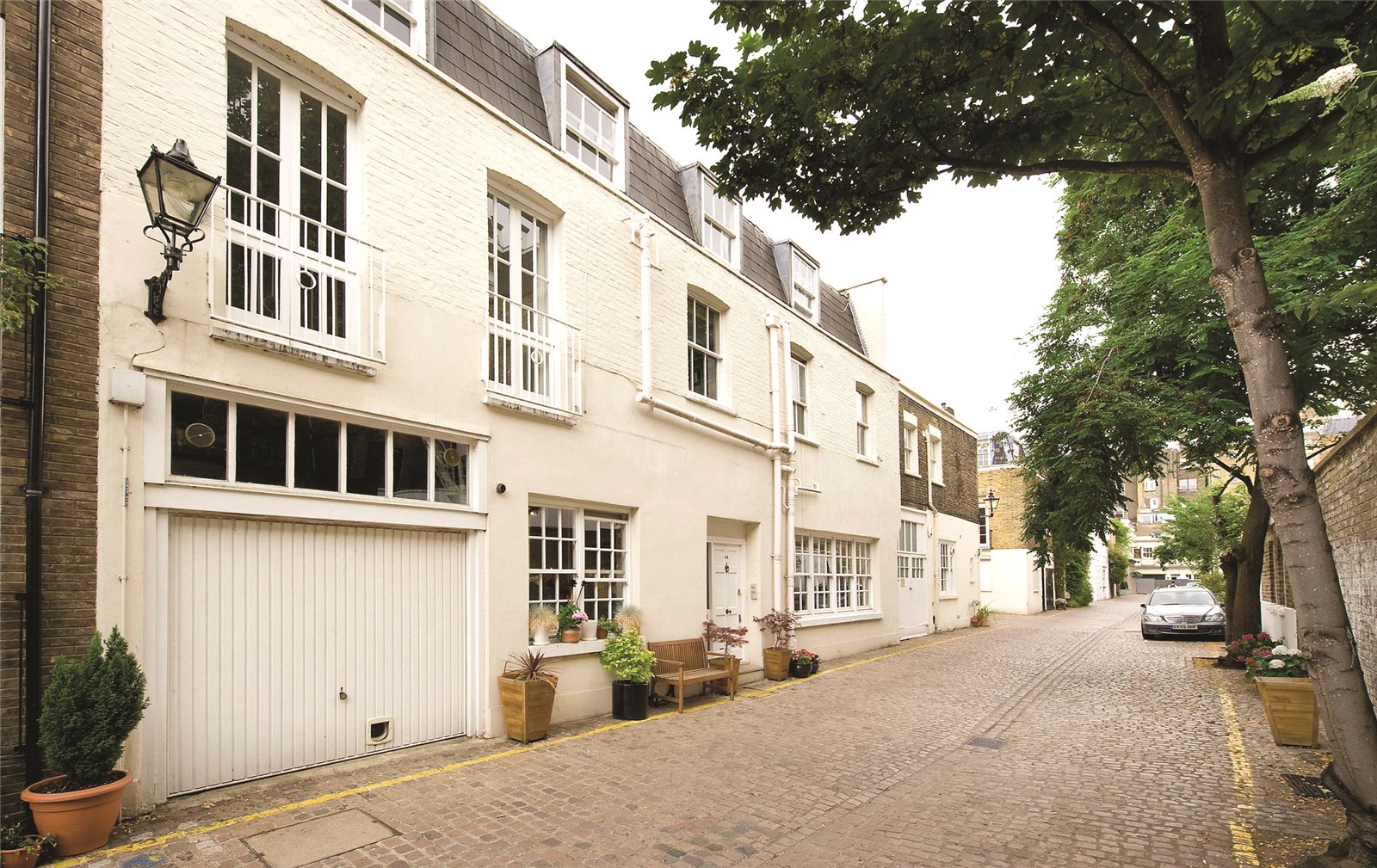
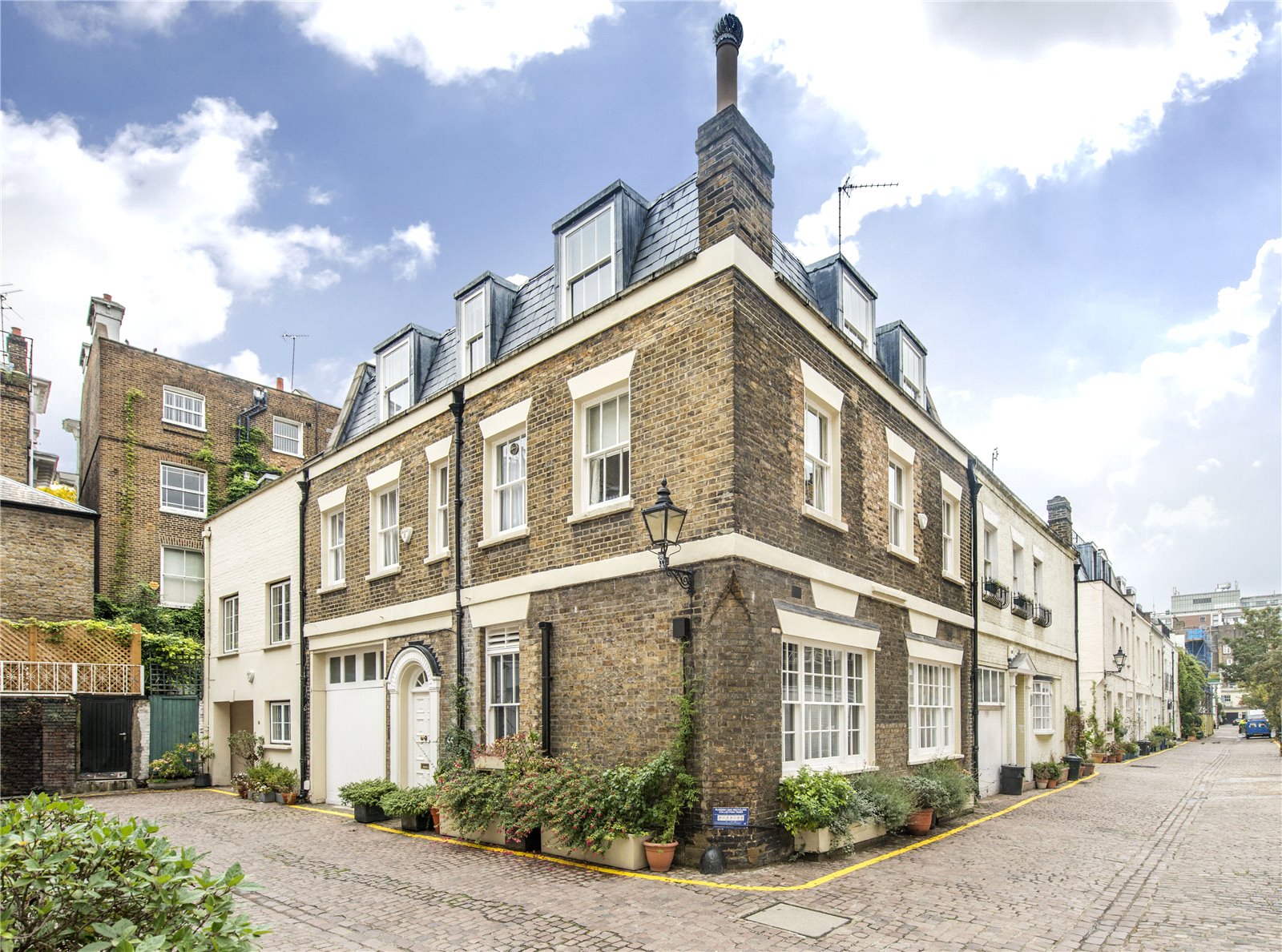
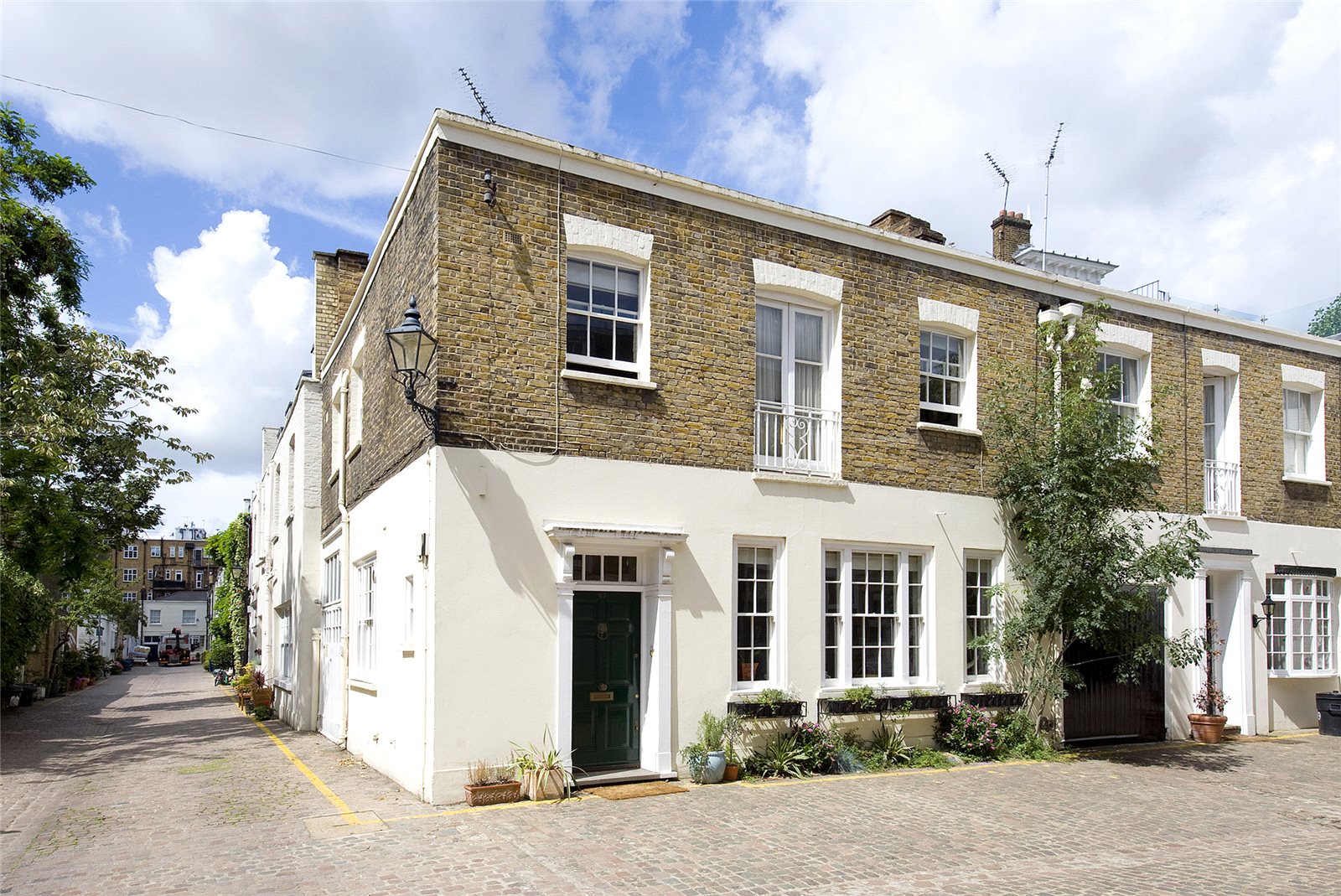
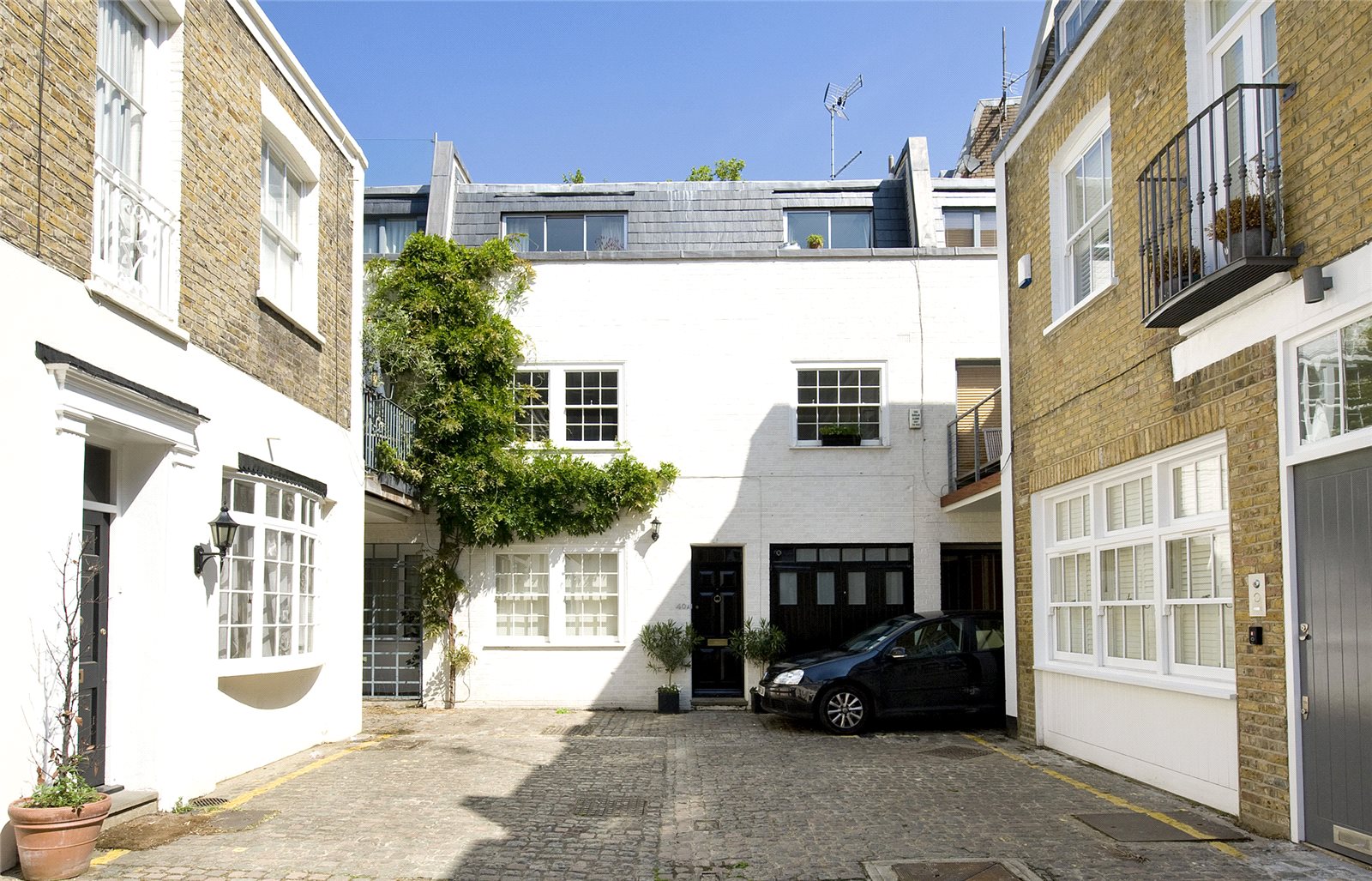
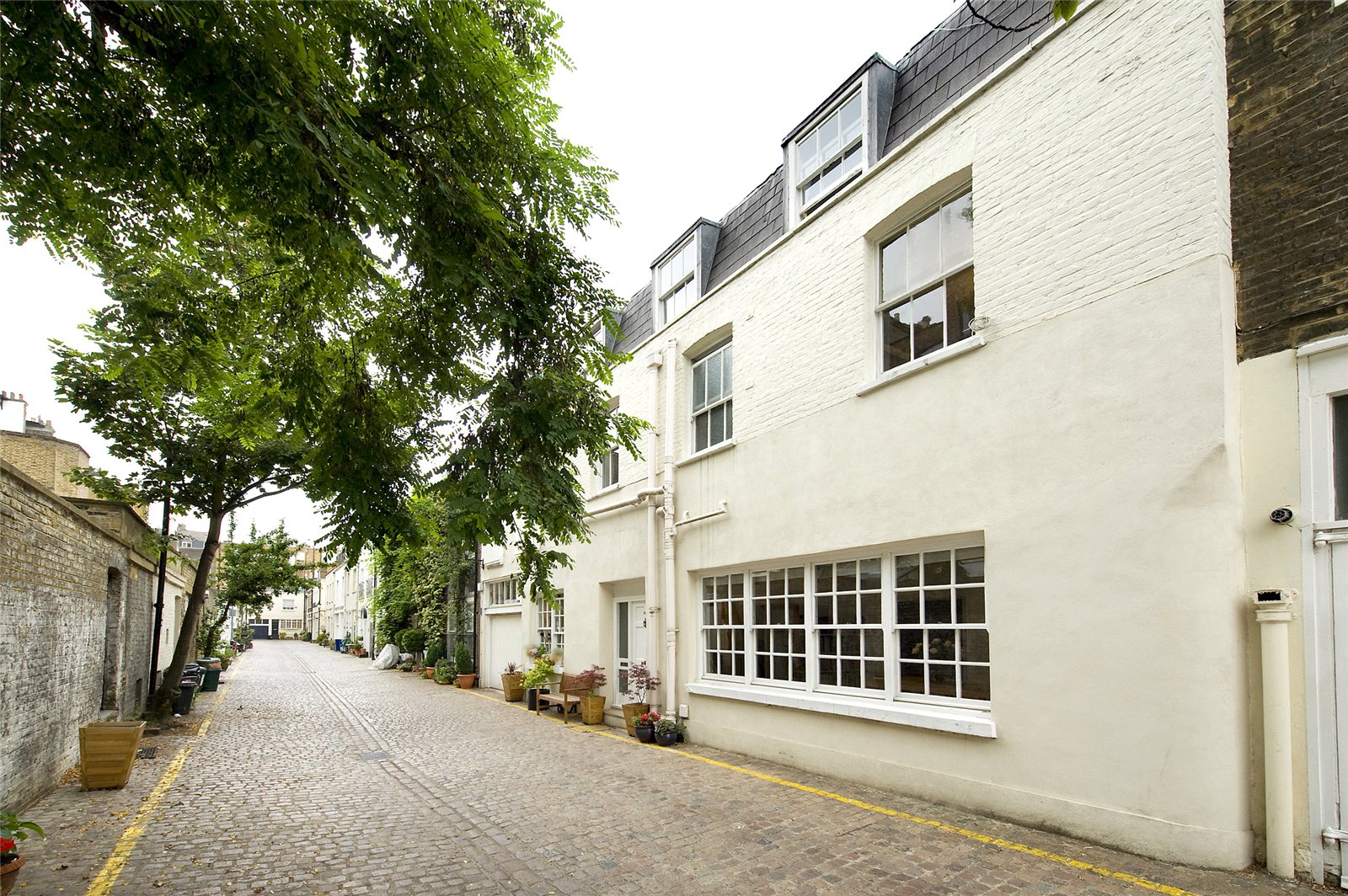
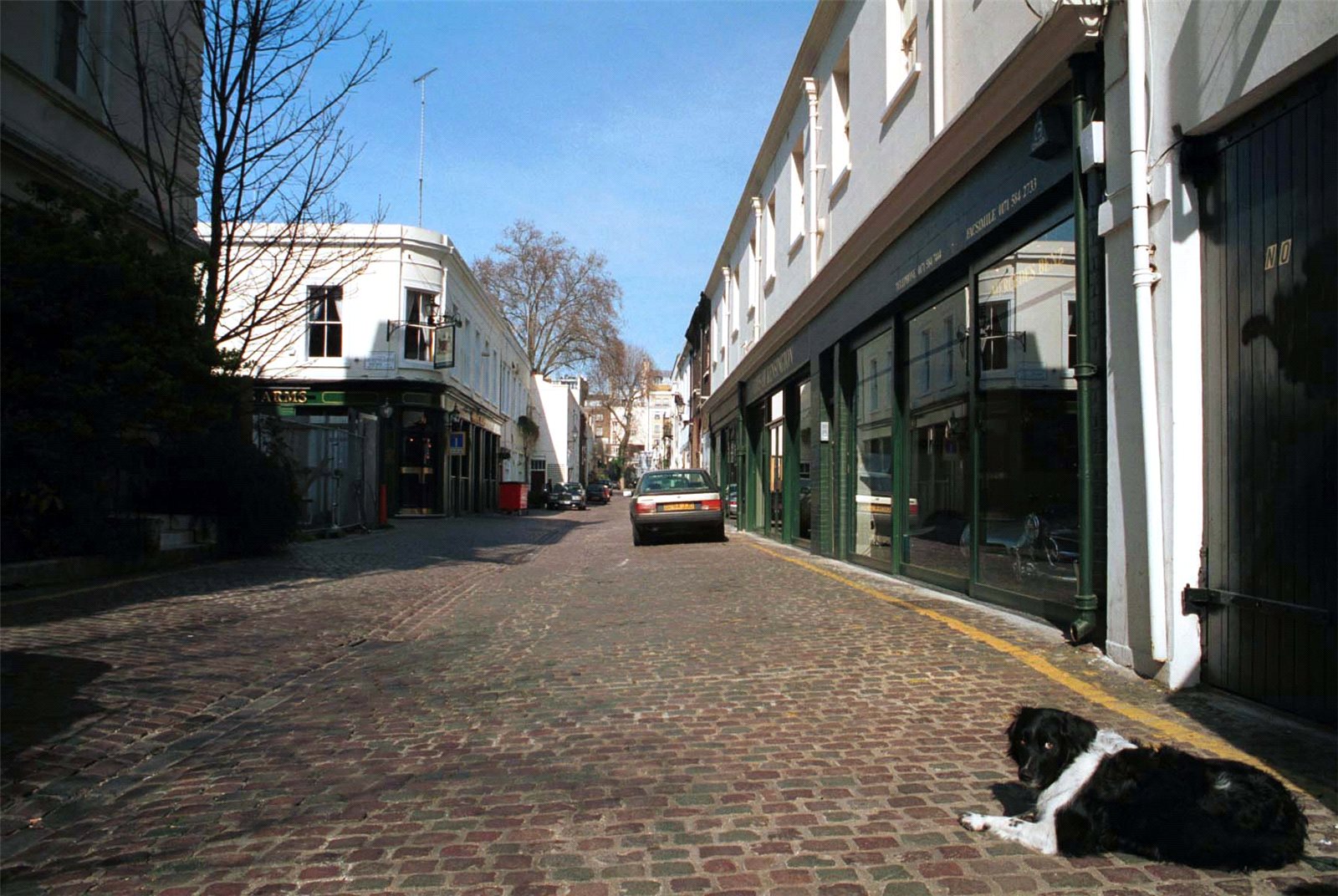
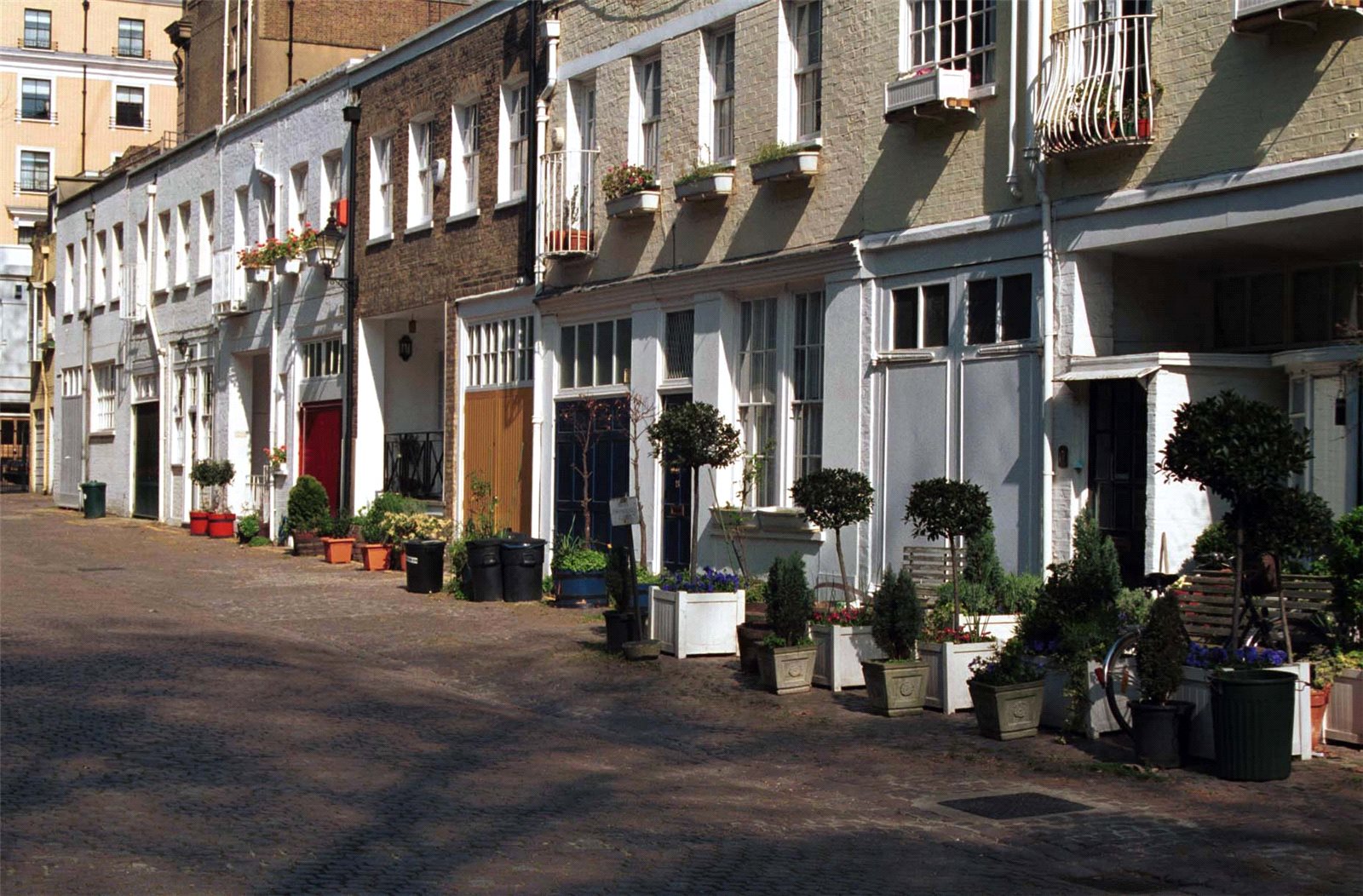
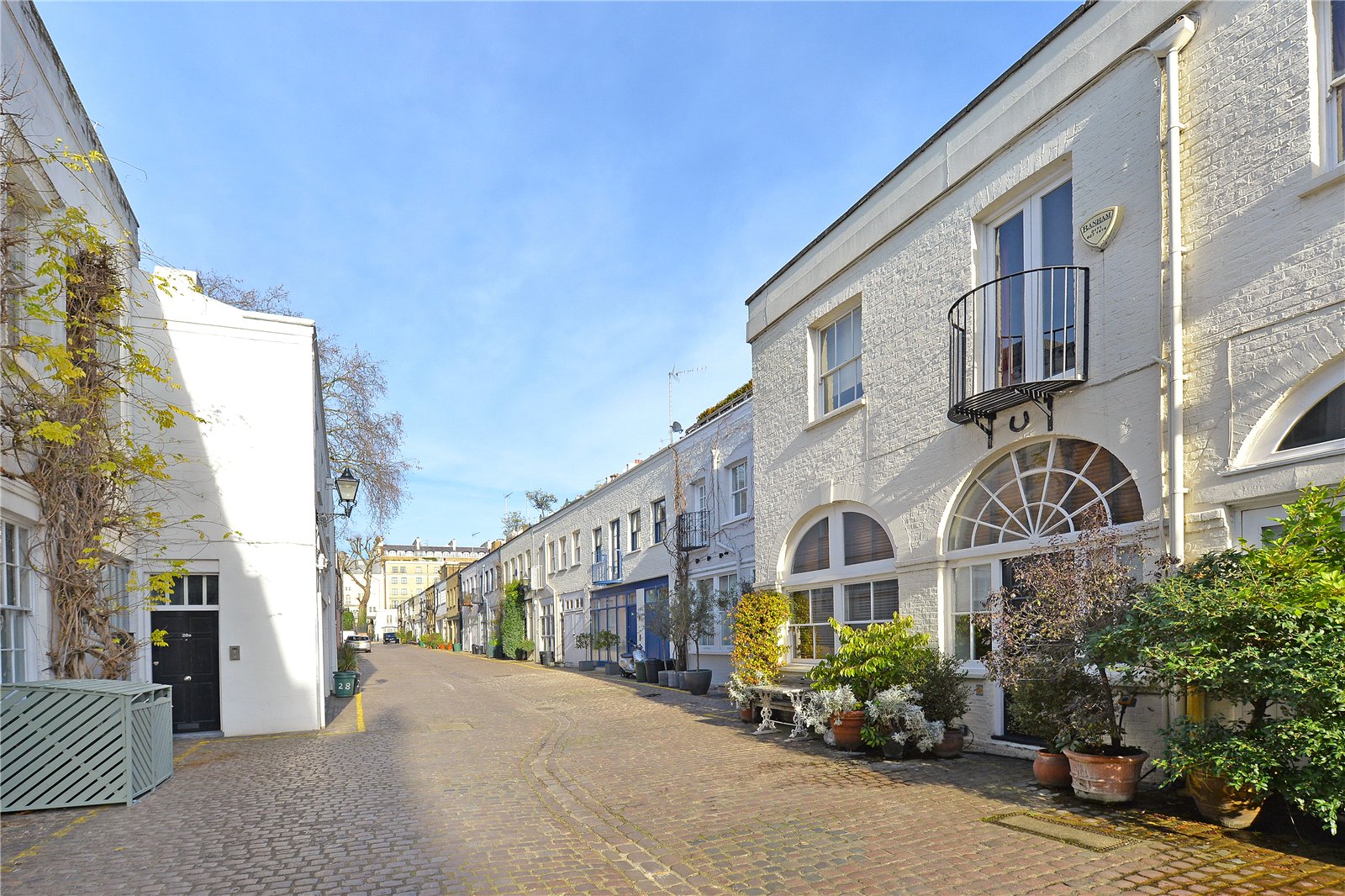
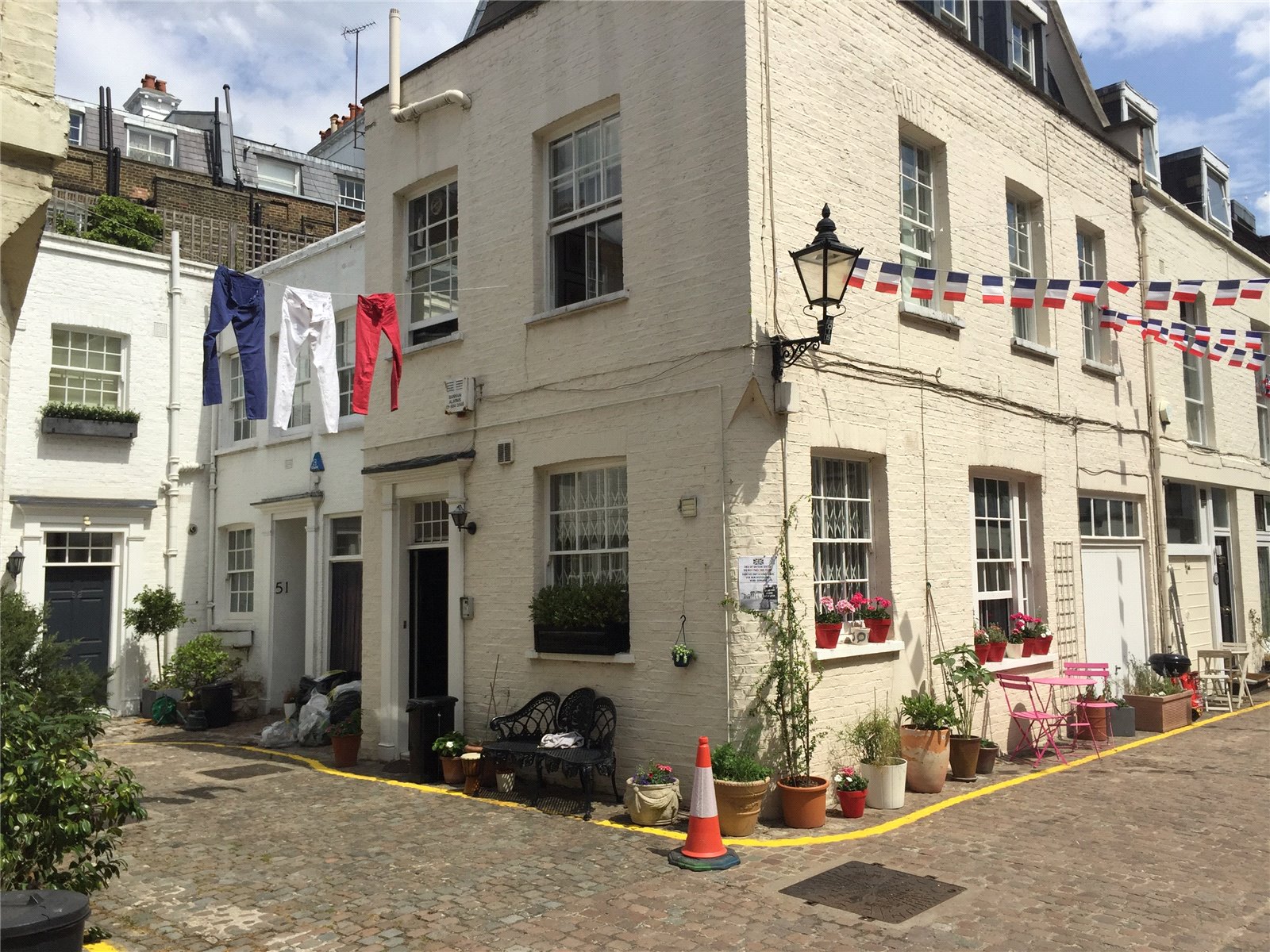
Queen’s Gate Mews is one of South Kensington’s most distinctive and sought-after historic mews streets, offering a charming combination of Victorian character, village-like tranquillity and an exceptional central London location. Built in the early 1860s by William Jackson, this cobbled through-road was originally created as coach-house and stable accommodation for the grand residences surrounding Queen’s Gate and the nearby streets. Today, the former working mews buildings have been transformed into highly desirable residential and commercial properties, while retaining their original architectural charm, including iron balconies, traditional street lamps, colourful window boxes and characterful period façades. Queen’s Gate Mews is a cobbled street comprising a main through-road and four additional cul-de-sac sections accessed from Queen’s Gate Terrace within the Royal Borough of Kensington and Chelsea.
Tucked away behind the elegant surroundings of South Kensington, Queen’s Gate Mews provides a peaceful retreat framed by mature trees and historic buildings. The intimate atmosphere is enhanced by residents enjoying outdoor seating and the relaxed feel of a traditional London neighbourhood. At the corner of the mews is The Queen’s Arms, a much-loved historic local pub established in 1859, known for its welcoming atmosphere, quality food and selection of real ales. The pub was established during the Victorian expansion of South Kensington following the 1851 Great Exhibition and originally served the coachmen, stable hands and residents associated with the surrounding mews and grand homes. The location places residents within easy reach of some of London’s finest cultural attractions, including the Royal Albert Hall, the Natural History Museum and the Victoria and Albert Museum, while Hyde Park and Kensington Gardens are also just a short walk away.
The surrounding area offers an exceptional selection of restaurants, cafés, shops and entertainment venues, with popular destinations including Wild Tavern, Le Petit Beefbar and Zuma nearby. The boutiques of Kensington High Street, the shops and restaurants of King’s Road in Chelsea and the luxury shopping of Knightsbridge are also within easy reach. Transport connections are excellent, with Gloucester Road and South Kensington Underground stations providing access to the Circle, District and Piccadilly lines, including convenient connections towards Heathrow Airport. This combination of excellent transport, cultural attractions, green spaces, restaurants and world-class shopping makes Queen’s Gate Mews particularly well positioned for enjoying central London.
Queen’s Gate Mews forms part of the Queen’s Gate Conservation Area and has a fascinating history that extends beyond its original use as a working stable and coach-house mews. The street survived a direct high-explosive bomb strike recorded during the Second World War, adding another significant chapter to its history. It also has an important place in London’s motoring history: in 1913, London’s first ever petrol pump was installed in Queen’s Gate Mews. Although the original pump disappeared long ago, petrol pumps remained on the site until as recently as 1998. This early association with the motor car is perhaps less surprising given that motor-car houses were already being built in Queen’s Gate Mews from around 1898.
FAMOUS OCCUPANTS
Queen’s Gate Mews has been home to notable figures from the worlds of art and entertainment. Sir Jacob Epstein, the renowned sculptor, lived and worked in the mews and is commemorated by an English Heritage Blue Plaque. Comedy actor Terry-Thomas also lived at Queen’s Gate Mews, at number 11, between 1949 and 1981, and is commemorated by a Comic Heritage Blue Plaque.
Sir Jacob Epstein – Sculptor (English Heritage Blue Plaque)
Terry-Thomas – Comedy Actor (Comic Heritage Blue Plaque)
LONDON’S FIRST PETROL PUMP
In 1913, London’s first ever petrol pump was placed in Queen’s Gate Mews. While the original pump has long since disappeared, petrol pumps continued to operate on the site until 1998. The mews already had links with the developing motor industry, with purpose-built motor-car houses being constructed there from as early as 1898.
QUEEN’S GATE MEWS FILM LOCATIONS
Queen’s Gate Mews has proved a popular location for filmmakers, with its distinctive cobbled streets and historic architecture providing an instantly recognisable London setting. The mews has featured in Performance (1970), Layer Cake (2004) and The Bank Job (2008). It is particularly associated with Layer Cake, in which a property on the mews was used as the London home of Daniel Craig’s unnamed character. The street gained further attention because a property there was owned by filmmaker Guy Ritchie and his then-wife Madonna during the early years of their marriage and featured prominently in the film’s stylish London setting.
Today, Queen’s Gate Mews remains one of South Kensington’s premier addresses, combining historic mews heritage with an unusually peaceful residential atmosphere and unrivalled access to London’s cultural landmarks, green spaces and world-class amenities. Its Victorian architecture, surviving cobbled streets, fascinating connections with motoring and cinema, historic public house and association with notable residents all contribute to making Queen’s Gate Mews a particularly distinctive part of the South Kensington townscape.
BOROUGH: Kensington and Chelsea
Subscribe
We'd love to share latest mews news and regular updates with you
