London History: The Hyde Park Estate
Prime central London has evolved over centuries under the influence of three powerful entities: royalty, the aristocracy, and the church. Together, they have been the driving forces behind the development of the ‘Great Estates’ we recognise today, one of them being The Hyde Park Estate which we will be expanding on in this piece.
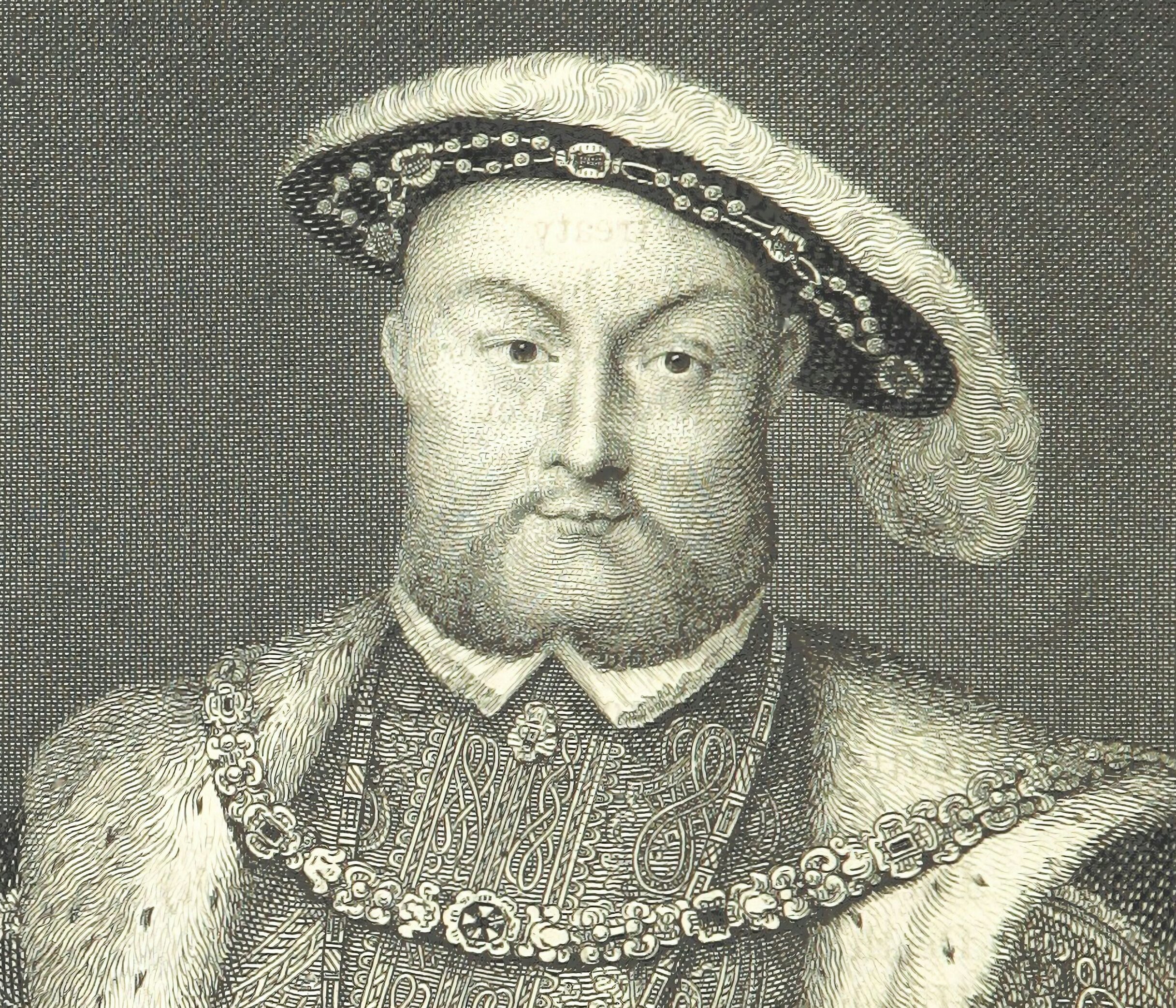
It was King Henry VIII who, after the dissolution of the monasteries in the 16th century, took control of undeveloped land beyond the commercial centre of the City of London. Over time, these areas became the focus of both residential and commercial development, a trend that continues to this day.
The Great Fire of London in 1666 accelerated this process, prompting wealthy landlords, including the Grosvenor family, to begin large-scale rebuilding beyond the City walls. Moving westward, they created fashionable housing for those seeking fresh air and more refined surroundings, gradually shaping the layout of Georgian garden squares, sweeping crescents, and wide avenues that would come to define much of London’s architectural landscape and unique identity. Much of this original building model remains an important part of the fabric of London’s history and heritage to the present day.
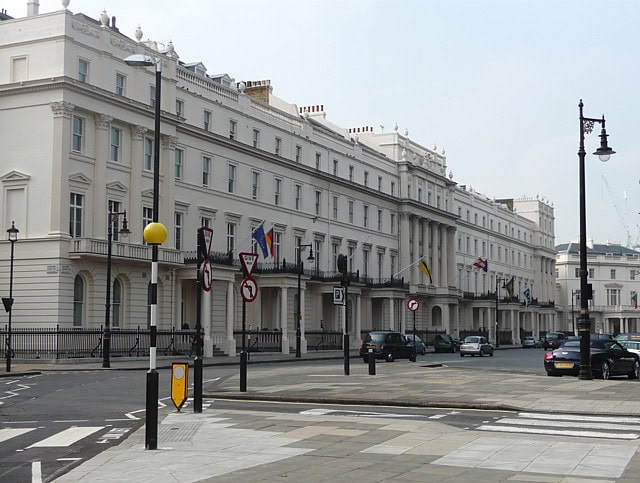
From Bayswater to Bloomsbury, Mayfair to Marylebone, and Pimlico to Paddington, streets, squares, and crescents fall under the ownership of London’s private estates. Today, these properties remain in the hands of aristocratic families and institutions, such as the Grosvenor and Cadogan Estates, which own swathes of some of the capital’s most prestigious and expensive locations. Their commitment to development has spanned generations. What we now recognise as London’s ‘urban villages’ have been shaped and defined by the vision and continued investment of these ‘Great Estate’ landowners.
The Hyde Park Estate – the secret corner of London’s West End
The 90-acre Hyde Park Estate, located within Westminster’s Bayswater Conservation Area, is bounded to the north by Sussex Gardens, to the south by Bayswater Road, overlooking Hyde Park and to the east by Edgware Road.
Connaught Village
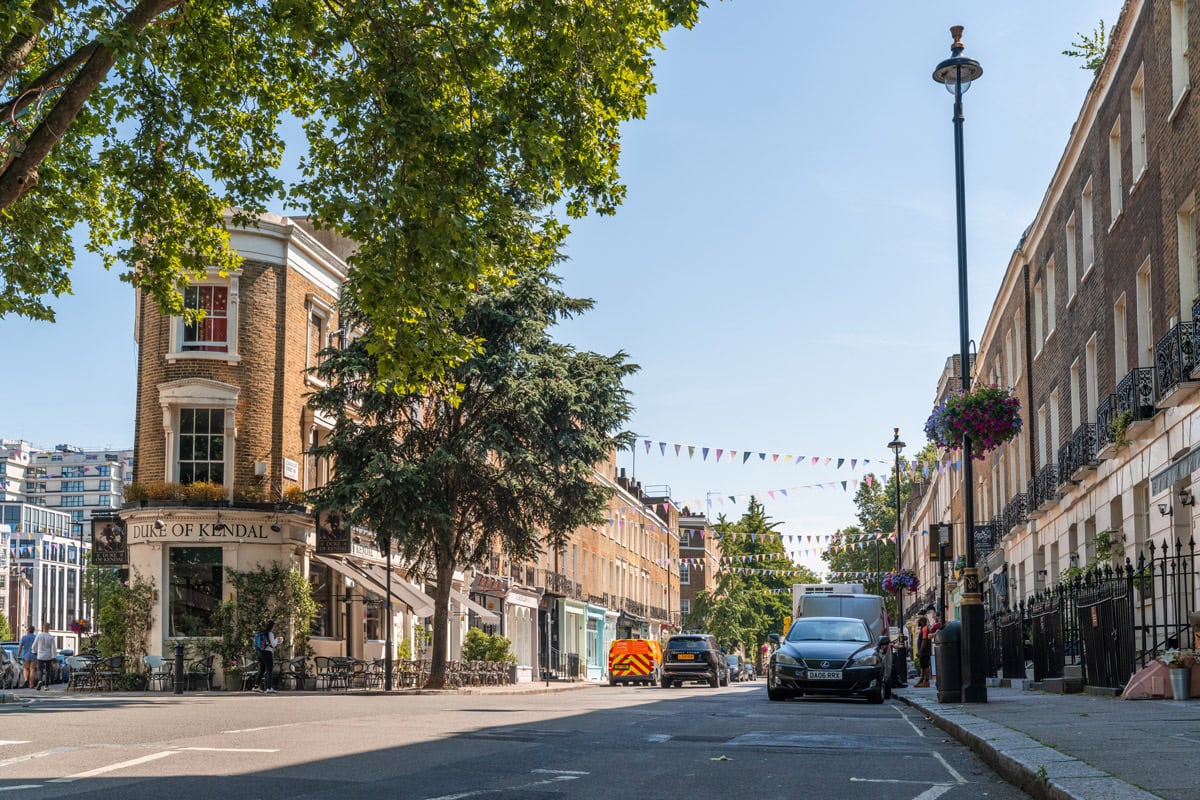
One of the Estate’s focal points is the affluent and vibrant Conaught Village, offering a curated luxury selection of independent shops, boutiques and amazing places to eat, drink and relax. Committed to investing for the long-term to enhance their assets, The Church Commissioners have brought high-end small to medium-sized residential units to the Village and are also phasing in high-end commercial units, all in keeping with the unique village spirit they have worked hard to create.
Copyright: Four Agency Worldwide Limited
The Sanctuary of Mews
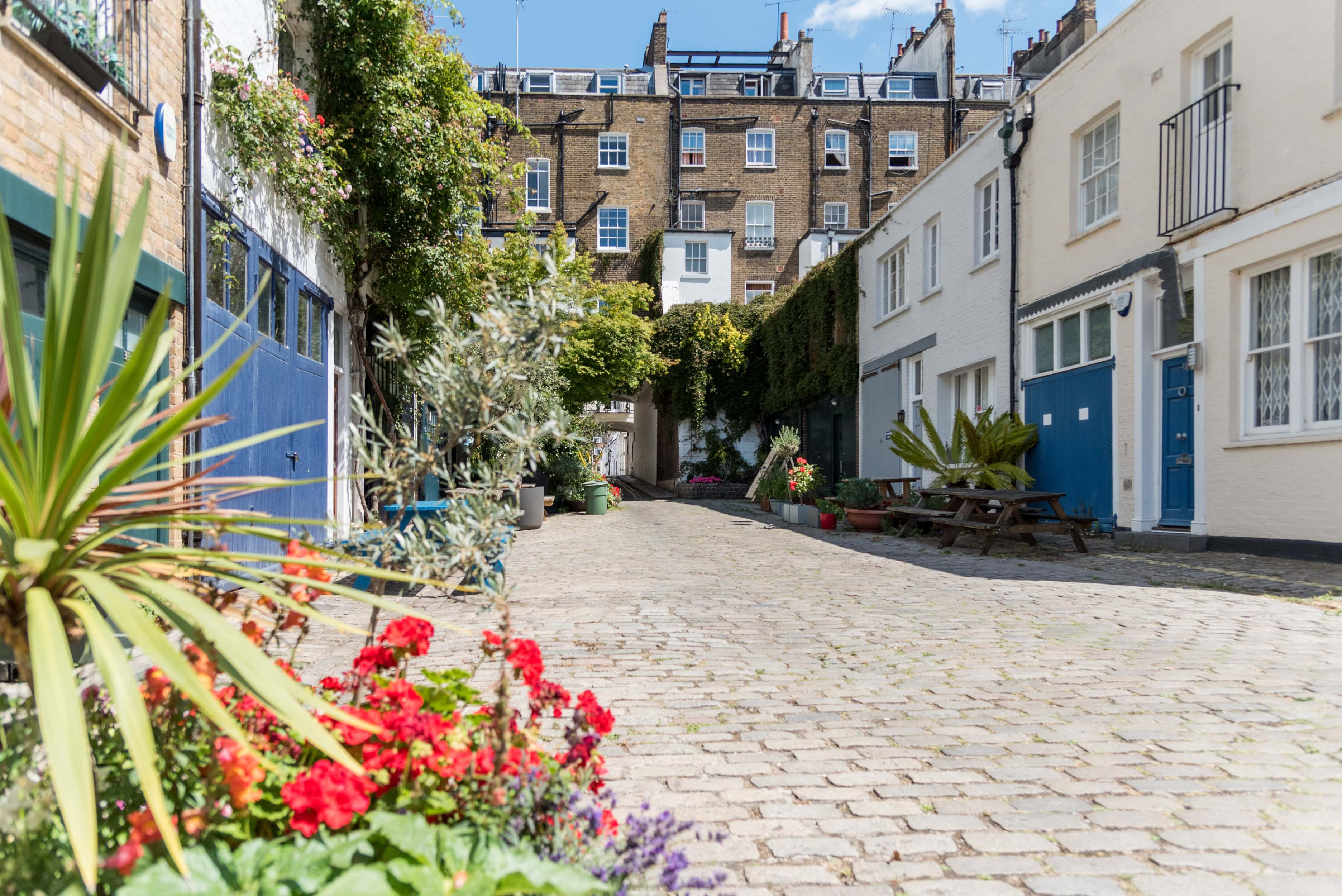
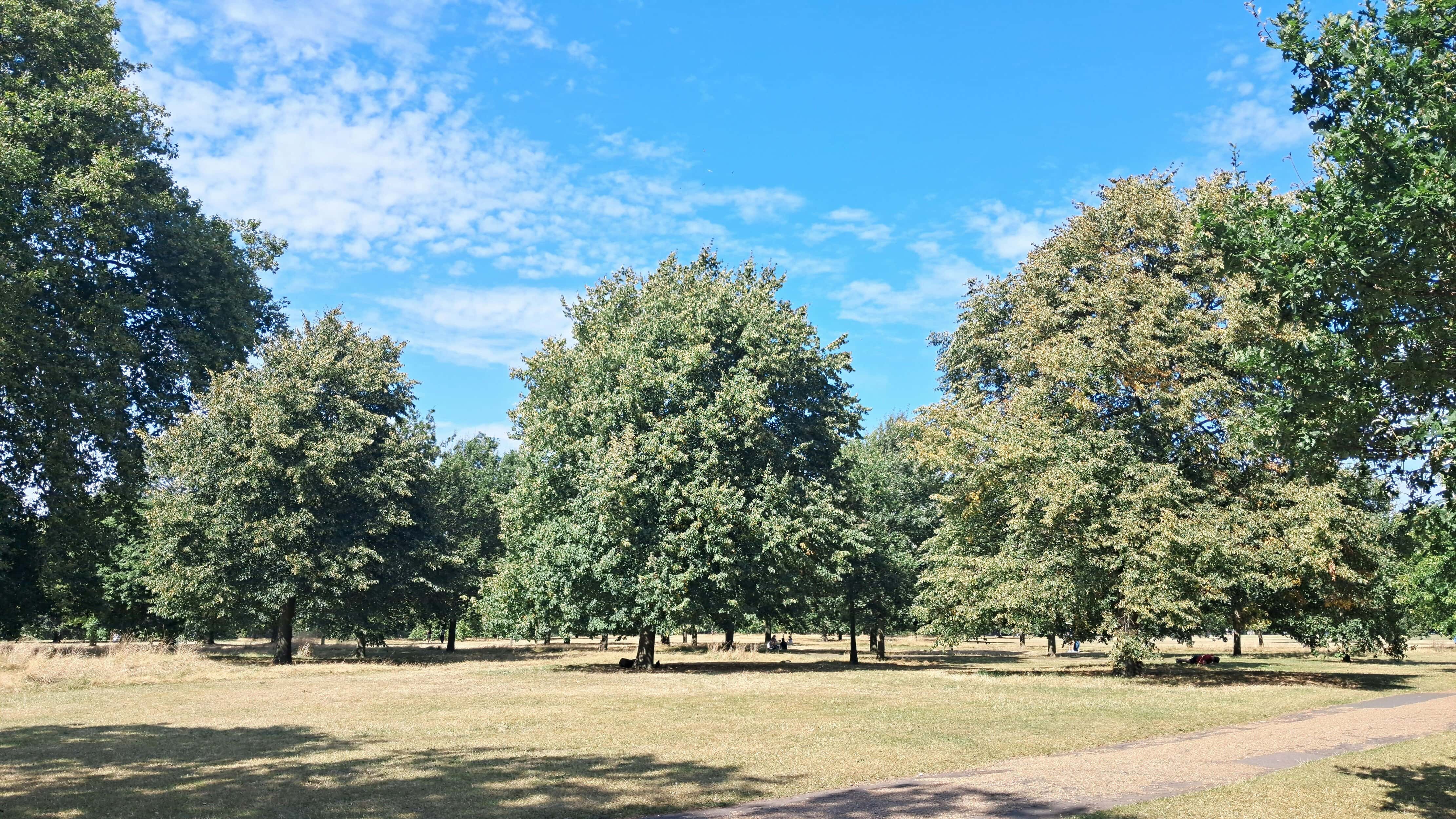
Then there’s Hyde Park that borders the estate’s perimeter to the north and provides Hyde Park Estate residents with 350 acres of beautiful maintained green space. Adjacent to Kensington Gardens, Hyde Park is the largest park within central London. The Hyde Park Estate includes many mews streets enhancing its appeal to residents wanting the best of urban life balanced with living in a tranquil mews neighbourhood.
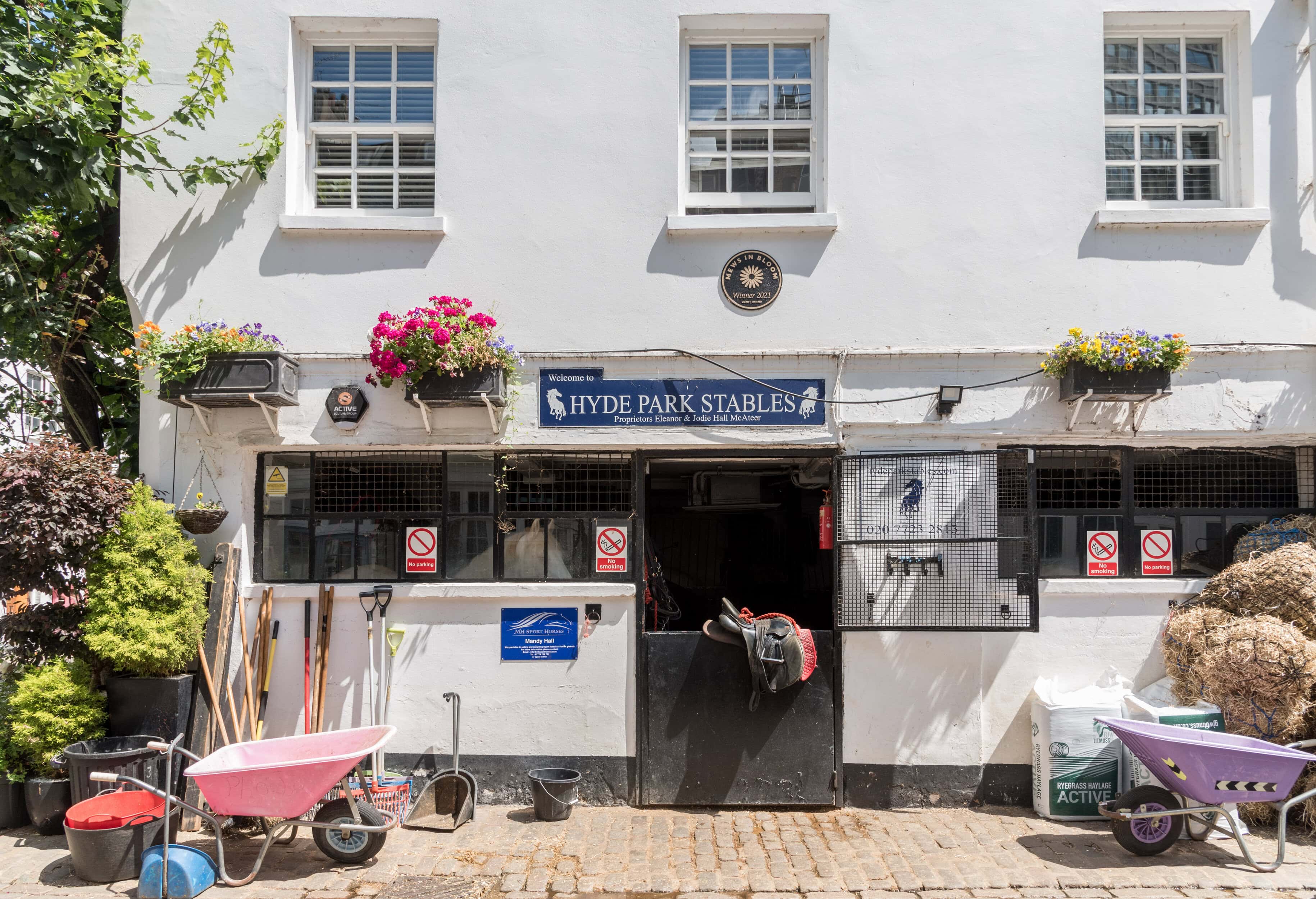
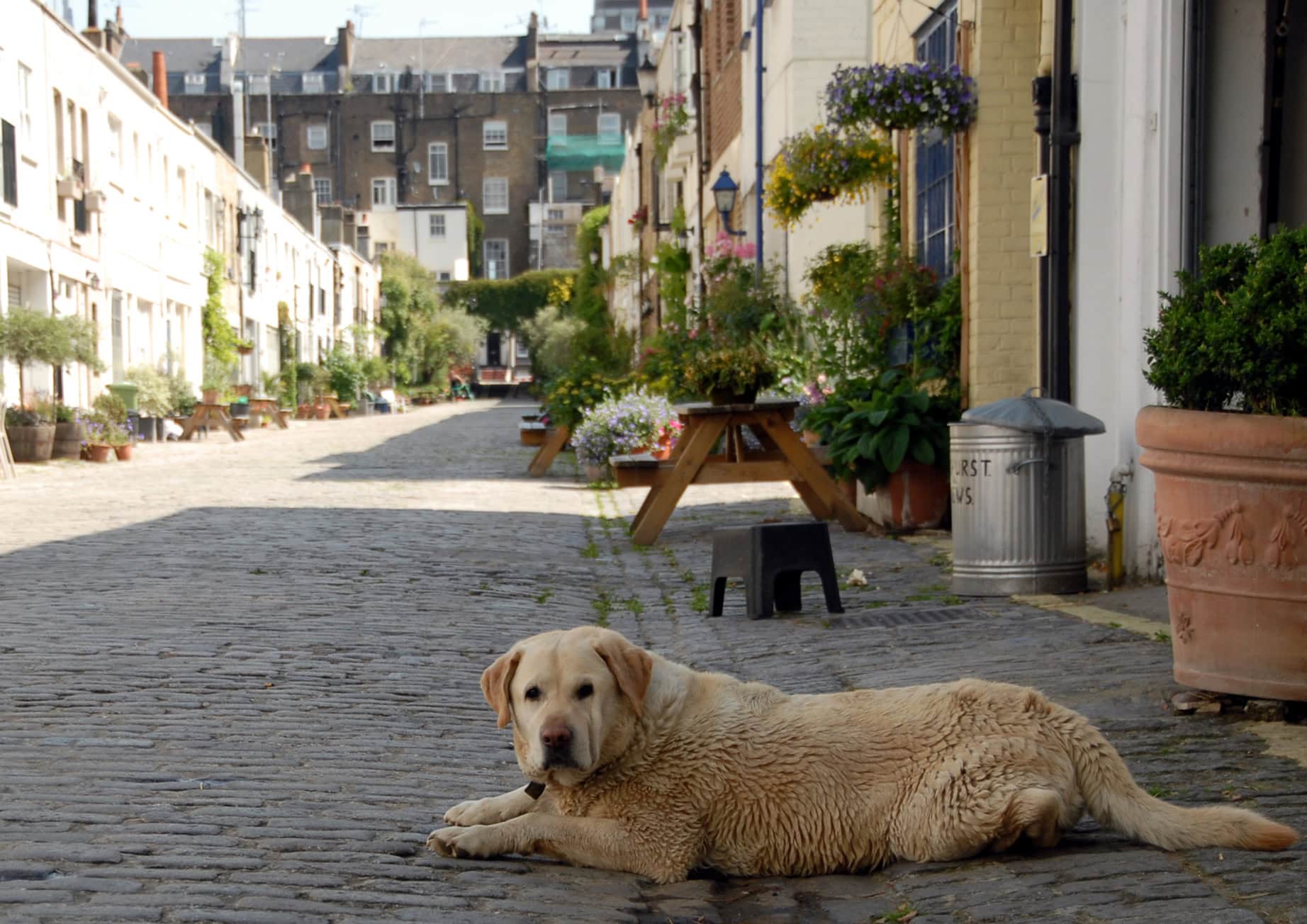
Mews history runs deep across the Estate. The last remaining riding stables are located in Bathurst Mews, Bayswater, W2; horses and riders of all ages are seen riding out to and from the park on a daily basis, while the clattering of hooves along the cobbled mews is a familiar sound for locals.
Notable Neighbourhood Residents
The Hyde Park Estate includes some fine examples of Regency, Georgian and Victorian architecture. The elegant residential Connaught Square is renowned for its period townhouses and graceful apartments enjoying a communal private garden space. The area is peppered with blue plaques commemorating some of its alumni, including Lady Violet Bonham Carter and William Makepeace Thackeray, and Winston Churchill’s father, Sir Randolph Churchill.
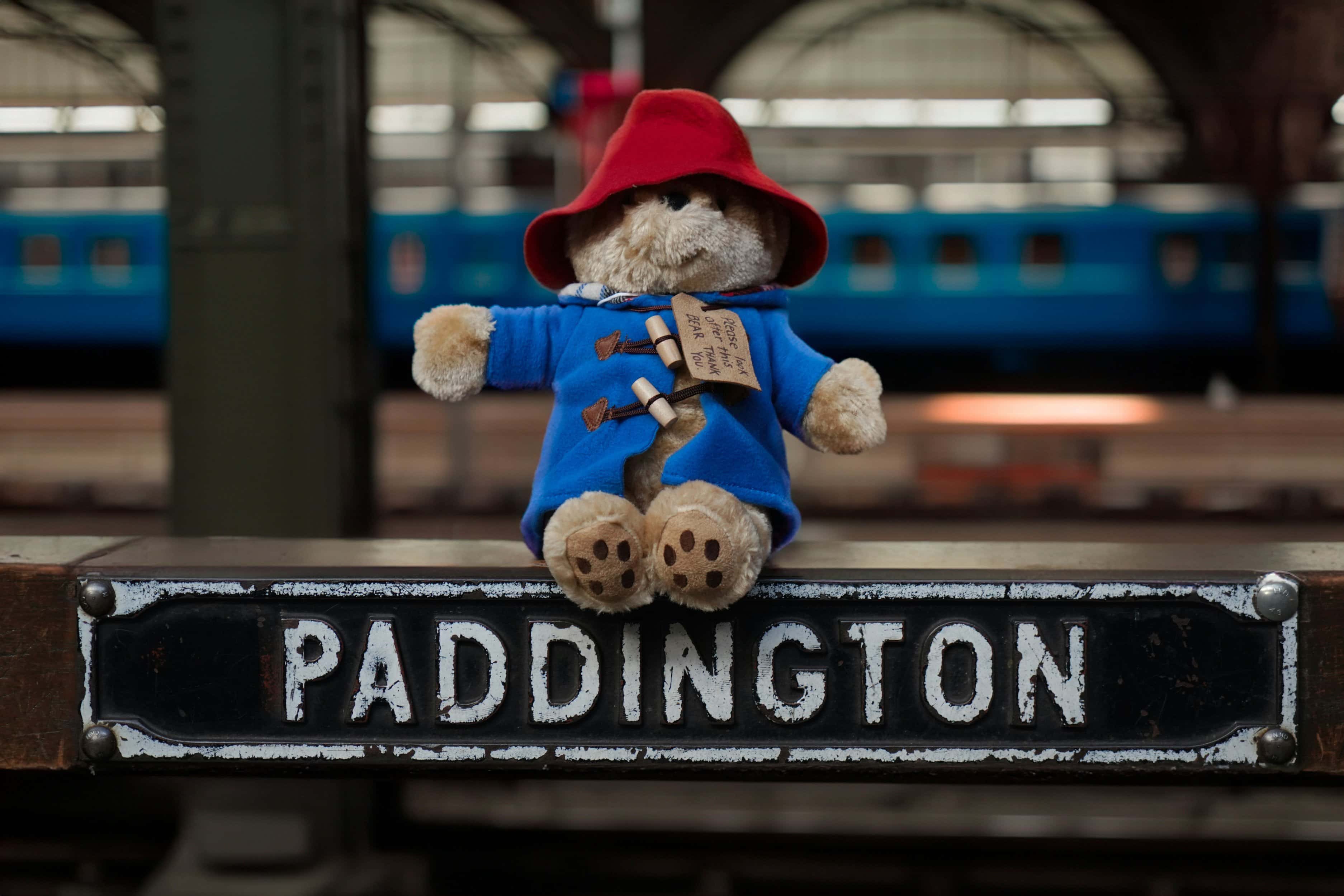
Former prime minister Tony Blair and his wife Cherie owned a house in the Square, and Sir Richard Branson started his ‘Virgin’ empire from an apartment in the locale. A pioneering past resident was Robert Stephenson, the Victorian railway engineer. Stephenson’s friend and rival, Isambard Kingdom Brunel, designed and built nearby Paddington Station as the Great Western Terminus that opened in 1854 and raised the profile of this W2 area of the capital.
Central, Connected and Cosmopolitan
Today, those making The Hyde Park Estate their home benefit from nearby Paddington Station providing excellent transport links and the gateway to the west of England. Hyde Park Estate’s central position and good underground connectivity with stations on the Piccadilly line at Hyde Park Corner and Marble Arch and Lancaster Gate on the Central line, make it well-placed for people wanting the convenience of being very near to modern amenities and places of work, yet seeking the proximity of open green spaces and a less hectic inner city environment.
The introduction of the Elizabeth Line has taken connectivity to another level without the need to change trains – it takes only 10 minutes to get into the City; and Heathrow Airport takes just 25 minutes. Aside from being one of the best located neighbourhoods, the Hyde Park Estate is known for its pretty, quiet mews houses with historic charm. It offers families, professionals and overseas buyers the opportunity to live in a cosmopolitan, family-orientated and desirable enclave of prime central London.
Hyde Park Estate’s Journey from Historic Past to Present Day
Up until around 1807, this large expanse of land north of Hyde Park referred to as the Paddington Estate, before being called The Hyde Park Estate, was owned by the Bishop of London.
It was in the early 19th century, that residential development of the Estate began under the architectural supervision of Samuel Pepys Cockerell and in 1838 by architect George Gutch. The first newly built houses were arranged in a grid pattern favoured during the Georgian period. The grid featured grand townhouses situated along elegant streets – behind these, mews were constructed with dwellings designed to accommodate the aristocratic owners’ horses, carriages, and stable hands.
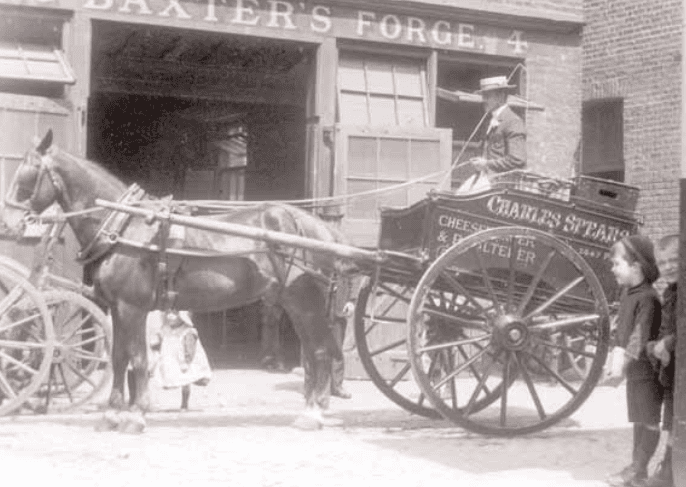
Between 1836 to 1868, this growing residential area became the property of the Church Commissioners of England (formerly the Ecclesiastical Commissioners), which has continued for over 150 years. As more houses were built, the local population grew attracting people in search of a more refined district, and The Hyde Park Estate became an established residential location.
Destruction and Survival During World War II
Like much of London, the Second World War took its toll on The Hyde Park Estate with bomb damage, especially from flying V1 bombs and the Blitz causing major destruction of buildings and explosions splitting off rows of terraced housing, taking out mature trees, making craters in roads and destroying Victorian lampposts and railings.
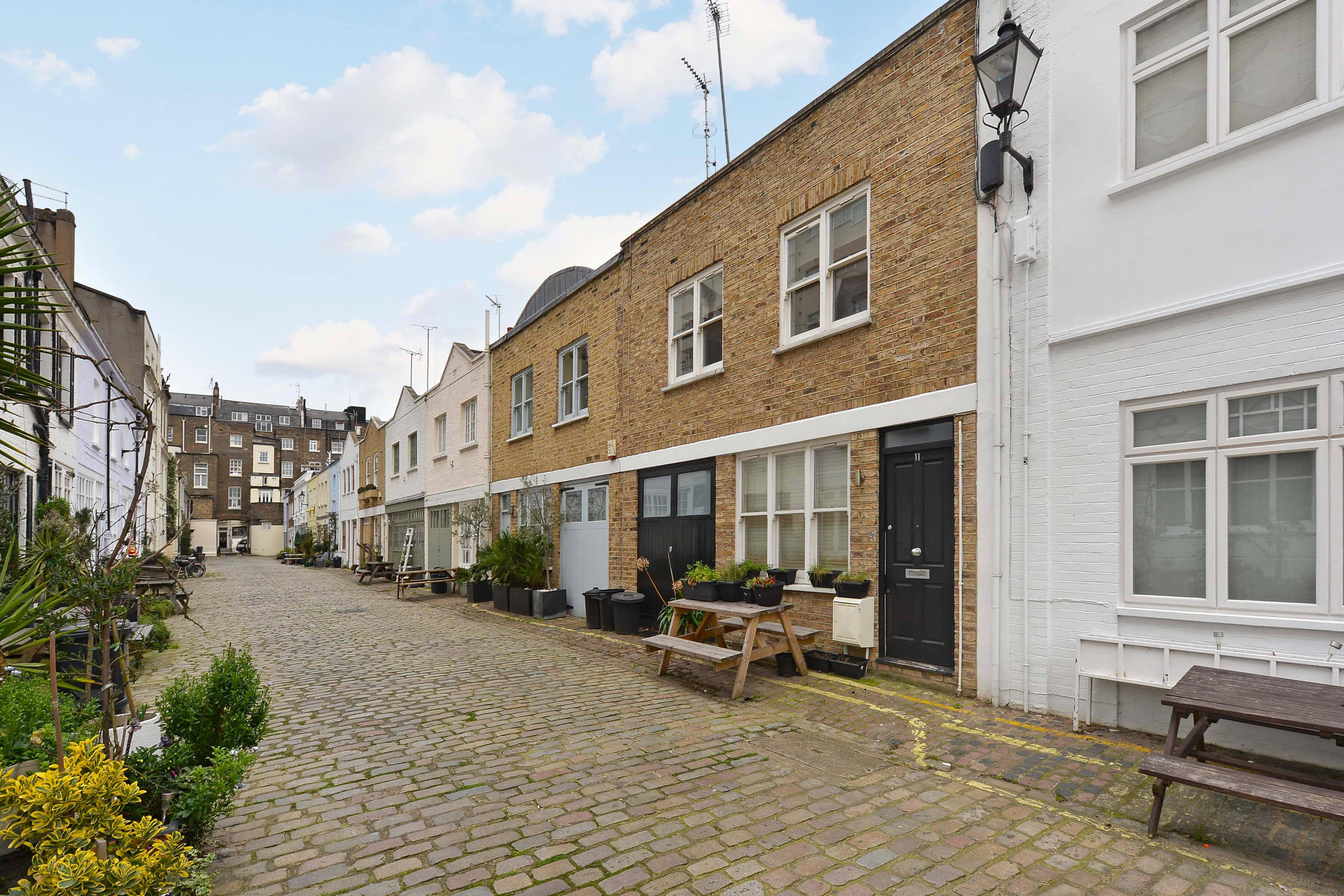
Bayswater Road and Radnor Place suffered the most severe damage from a direct hit by a V1 bomb and the west side of Hyde Park Square was virtually destroyed. Some mews houses on Radnor Mews were damaged so badly they could not be repaired. Gloucester Square took some blast damage that was comparatively minor and miraculously, Hyde Park Gardens and Sussex Square managed to avoid any bomb damage.
The Post-War Building Revival
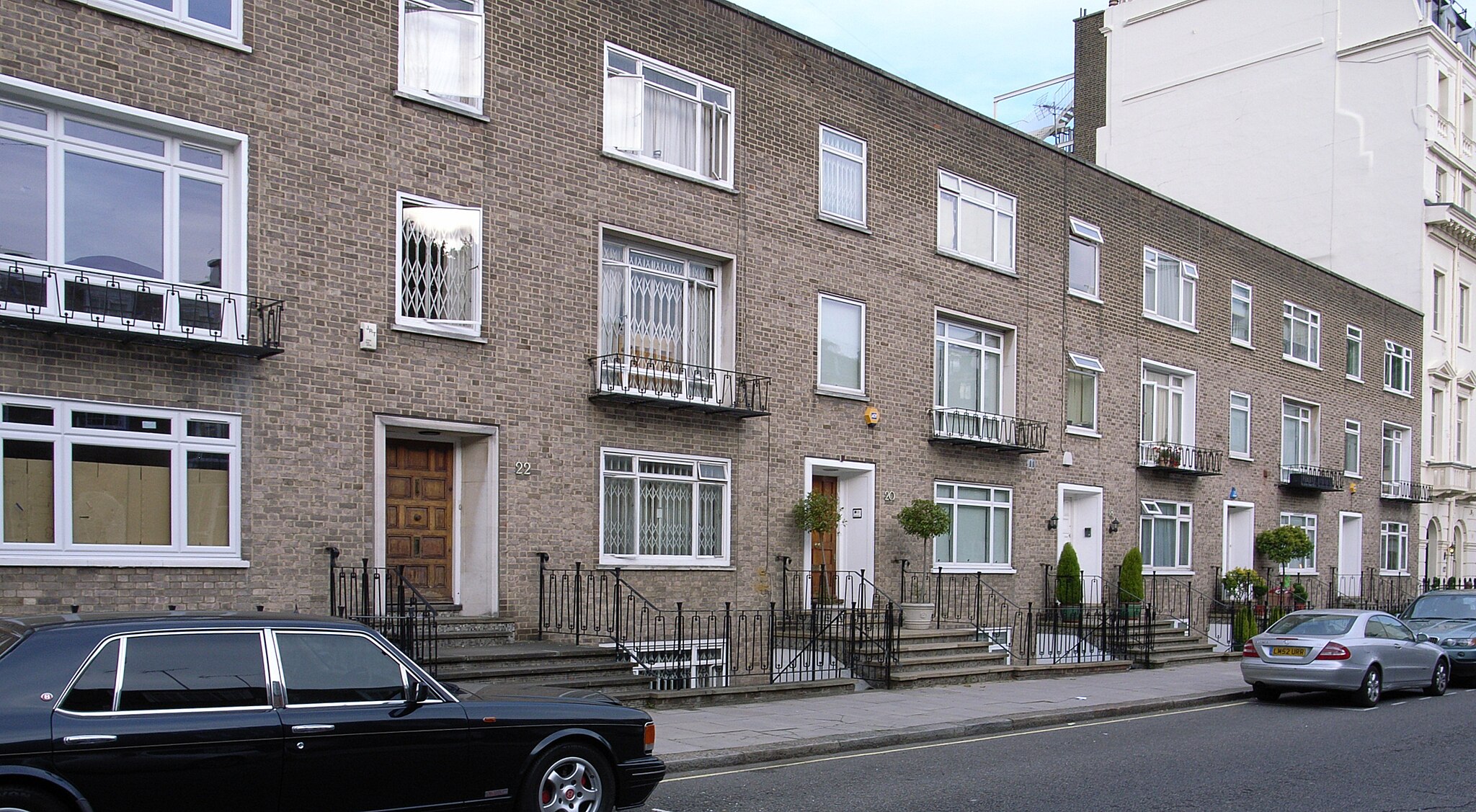
The dramatic impact of the WWII bombing raids was a catalyst for the Church Commissioners as primary freeholders to embark on a sizeable post-war rebuilding campaign. They chose to partner with the building firm ‘Wates’ and the result was the construction of high-density blocks of flats, that were built amongst Georgian properties and Victorian villas that had survived the bombing. Consequently, The Hyde Park Estate became a destination where modern and occasionally brutalist architecture entered the residential landscape within the Estate’s boundaries.
Before the end of World War II and in subsequent post-war years, Paddington Borough Council requisitioned many properties with expired and disclaimed Estate leases. Unfortunately, the Council’s refurbishment works were poorly executed, and over time much of The Hyde Park Estate began to look neglected and shabby. By 1954, the Church Commissioners had appointed ‘Chesterton’ to manage the Estate on their behalf; they described what had happened to the requisitioned buildings as ‘A blight cast over the Estate.’
Changing Landscape – Redevelopment in the 1950s and 1960s
Chesterton’s brutal statement spurred the Church Commissioners to reevaluate the future of The Hyde Park Estate; they drew up an ambitious plan to rebuild the Estate. Back then, the expression, ‘place-making’ did not exist, but nowadays, this is exactly what the Church Commissioners’ strategy involved – to transform and rebuild the estate creating a desirable destination with an up-scale ‘village’ feel.
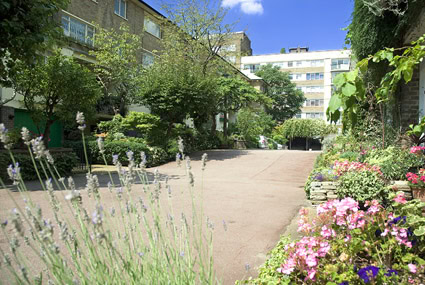
From December 1955 and over the next 18 months, they embarked on a policy of de-requisitioning, followed by a period of substantial redevelopment. This effort included several architecturally important buildings such as Norfolk Crescent, 25 Porchester Place, The Quadrangle and The Water Gardens designed by Trehearne & Norman in 1965. This new wave of architectural invention brought a modern open-plan approach to sit alongside the Estate’s green centre. This phase of redevelopment was followed by a more modest phase, exemplified by the establishment of Sussex Square in the early 1960s and the creation of Sussex Mews East on the site of the original mews; comprising 11 three storey brick-built residential mews properties in the cobbled cul-de-sac, approached via its own Grade II listed arch on Clifton Place.
Preservation and Enhancement in the 21st Century
From 1972, the Church Commissioners introduced a new conservation phase intended to ‘ensure the quality of the Estate as a vital part of the central London scene will be maintained, and, indeed, enhanced well into the 21st century.’ This conservation strategy included most of the Church Commissioners’ freehold interests within The Hyde Park Estate – that amounts to approximately 1,700 residential, commercial and retail properties. It was set out to follow an ongoing development, maintenance and conservation programme across the Estate, preserving historic buildings and maintaining the area’s significant period architecture. The Estate now lies within the Bayswater Conservation Area of Westminster.
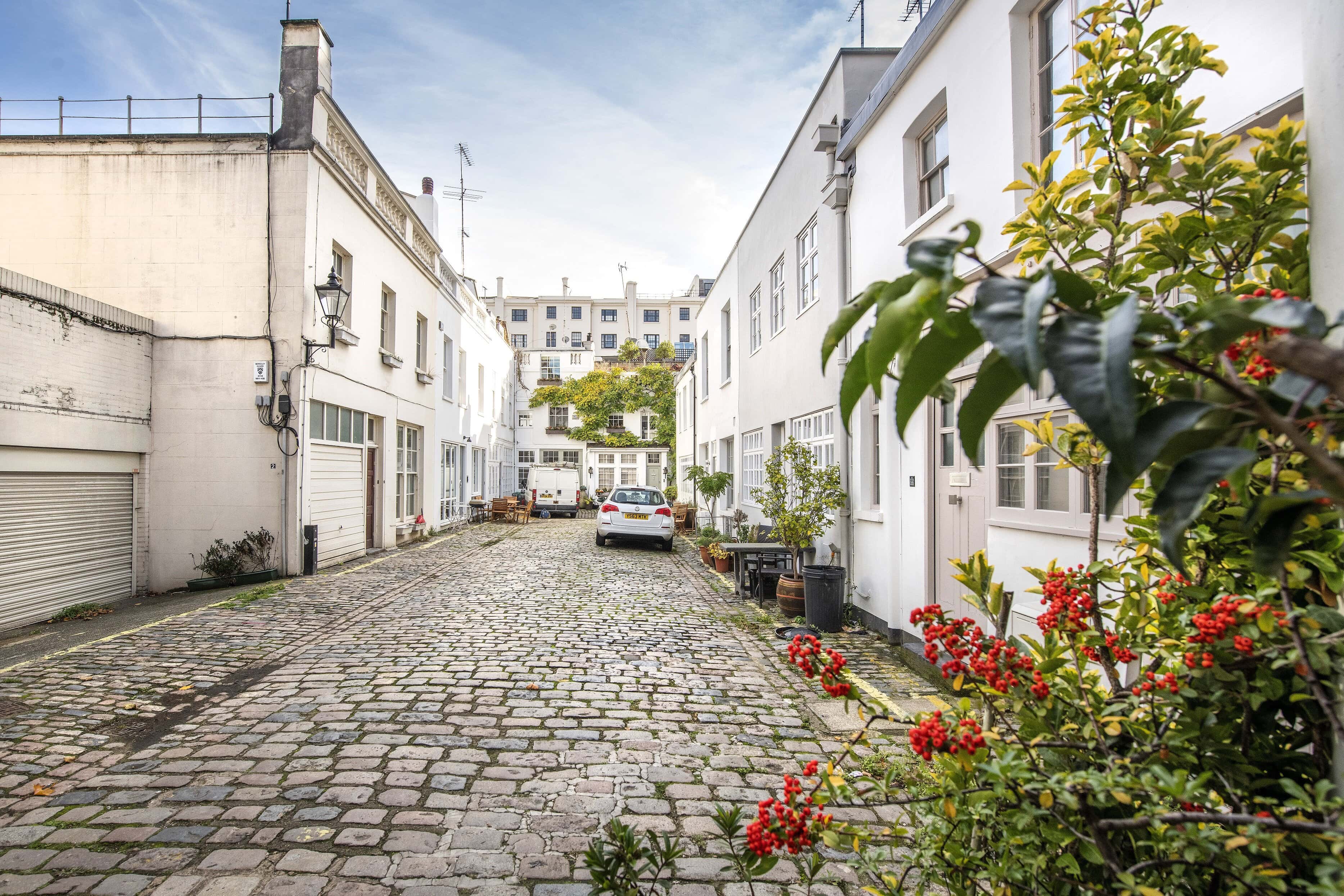
Local Conservation Initiative Preserving the Mews
Last September 2025, the Hyde Park Neighbourhood Forum organised to a fact-finding walk of all 18 mews locations within The Hyde Park Estate and Paddington area. The Steering Group, under the heritage and conservation banner, are developing policy ideas and wanted to research the wealth of mews in the area. It highlights the passion and commitment shared by many mews residents, who value the history and significance their homes contribute to the heritage of their local neighbourhoods. Through their efforts and engagement, the preservation of London’s architectural landscape and social history continues.
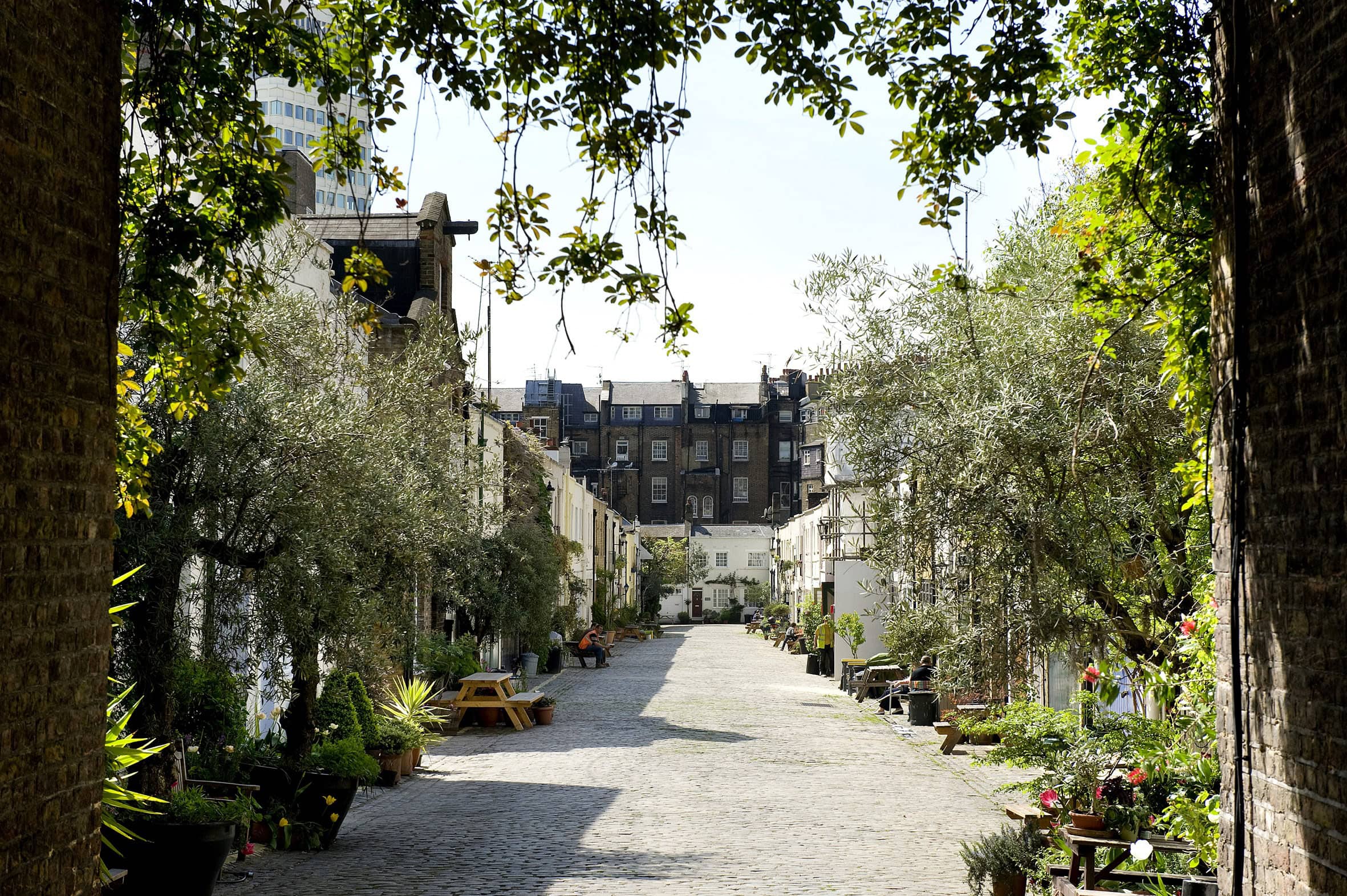
Mews that Make you Smile
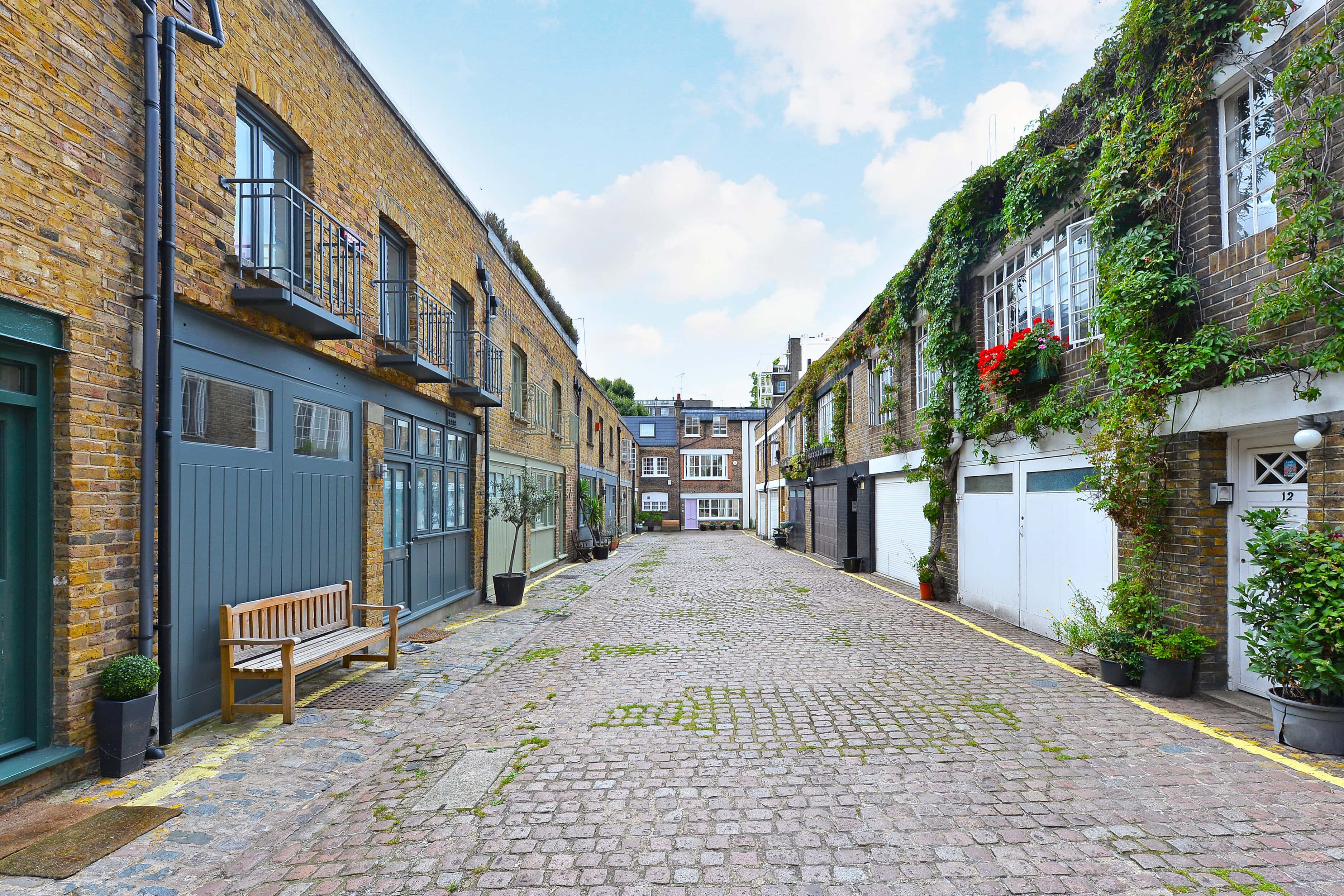
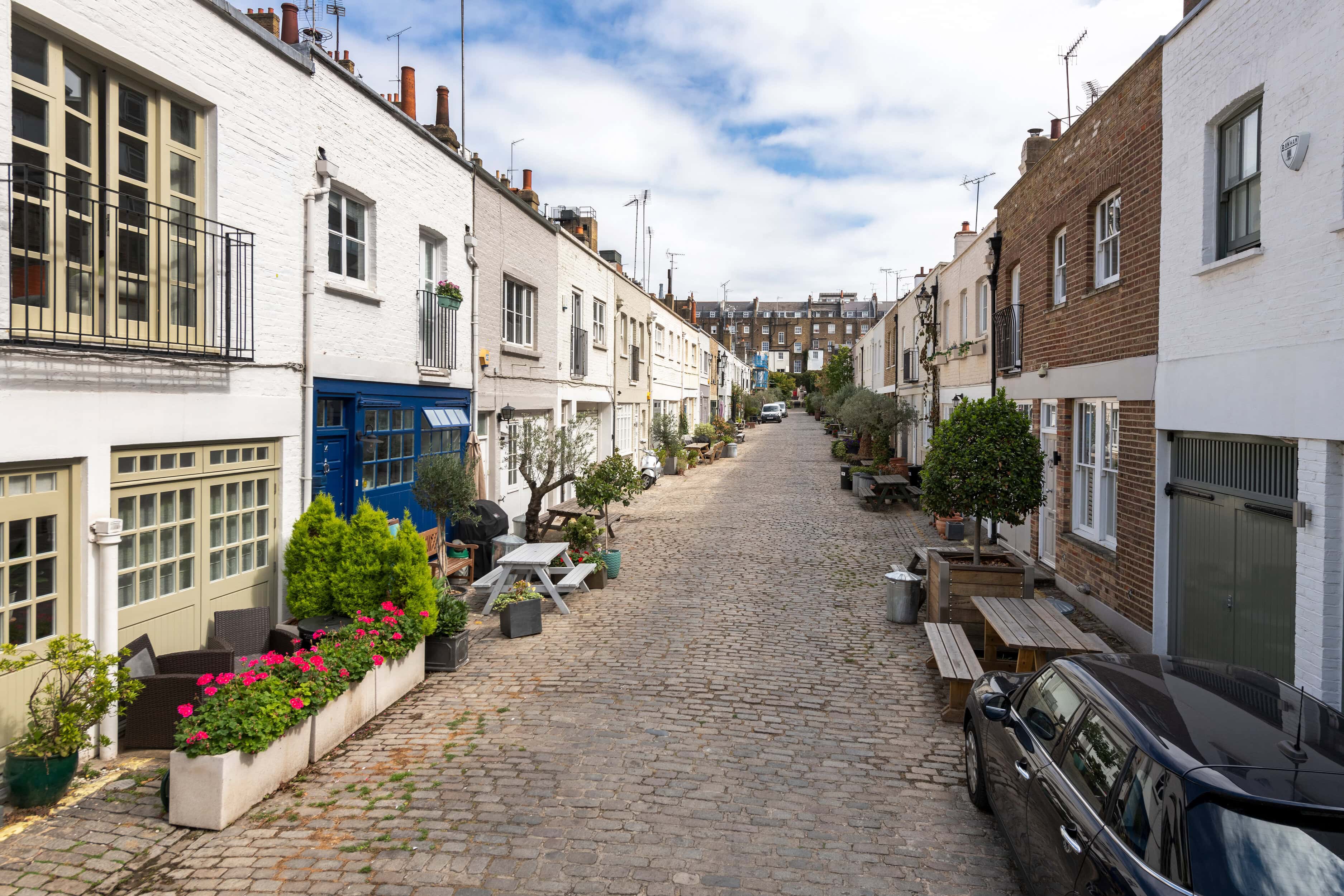
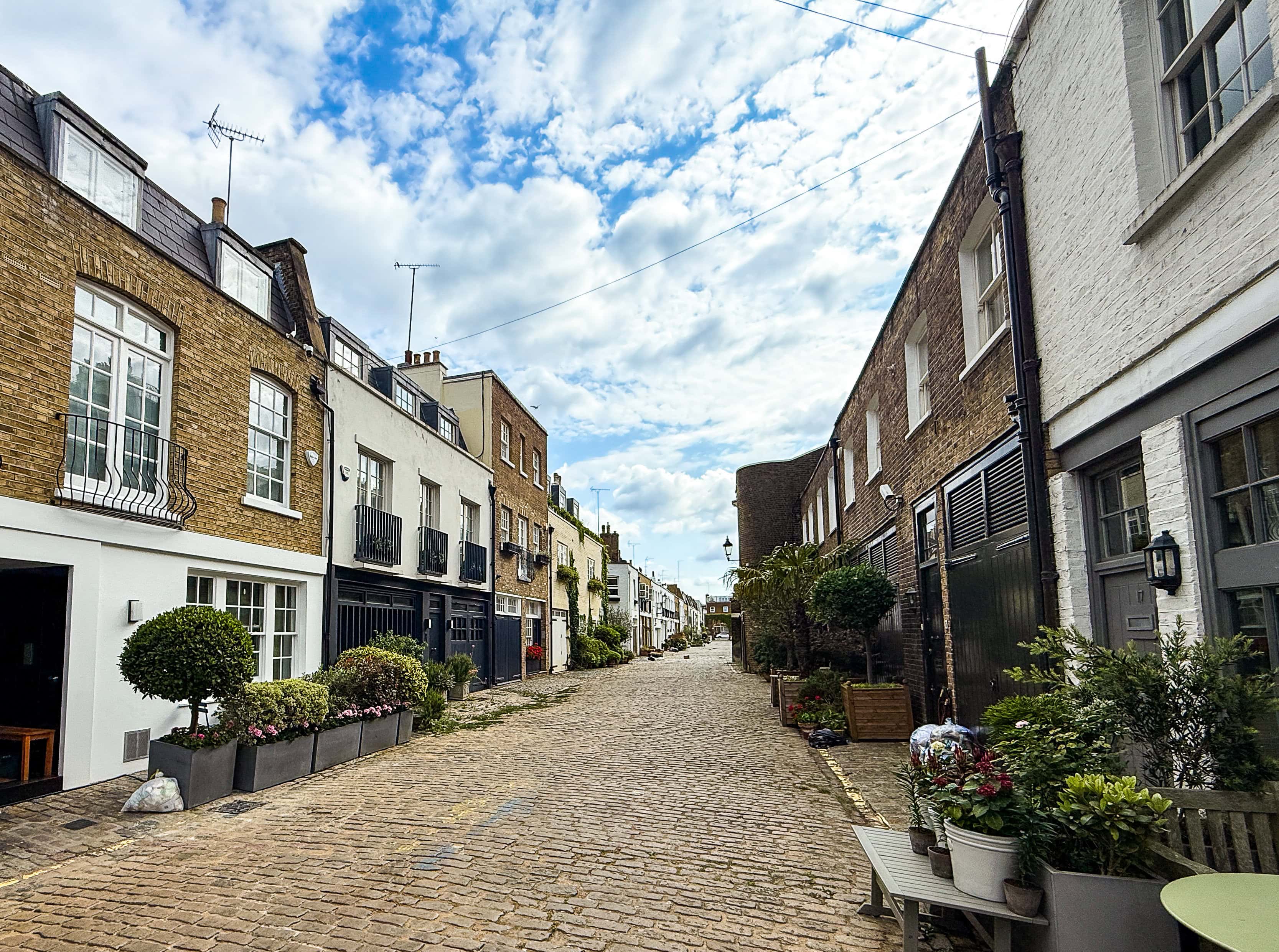
If you want to find mews in all shapes and forms you’ll discover them all over The Hyde Park Estate. It’s home to both traditional period mews houses and modern-built mews occupying streets where an original mews once stood. Many mews (too many to mention here) are nestled in leafy cobbled streets concealed from the busy main West End thoroughfares; forming quiet clusters where neighbours gather and a genuine sense of neighbourhood community exists. North-west of Marble Arch sits Frederick Close which, until 1934,was called Frederick Mews. It comes under Tyburnia, historically named after the Tyburn stream and the public Tyburn gallows. Today, it has shed its darker past and is an upscale and fashionable area within The Hyde Park Estate.
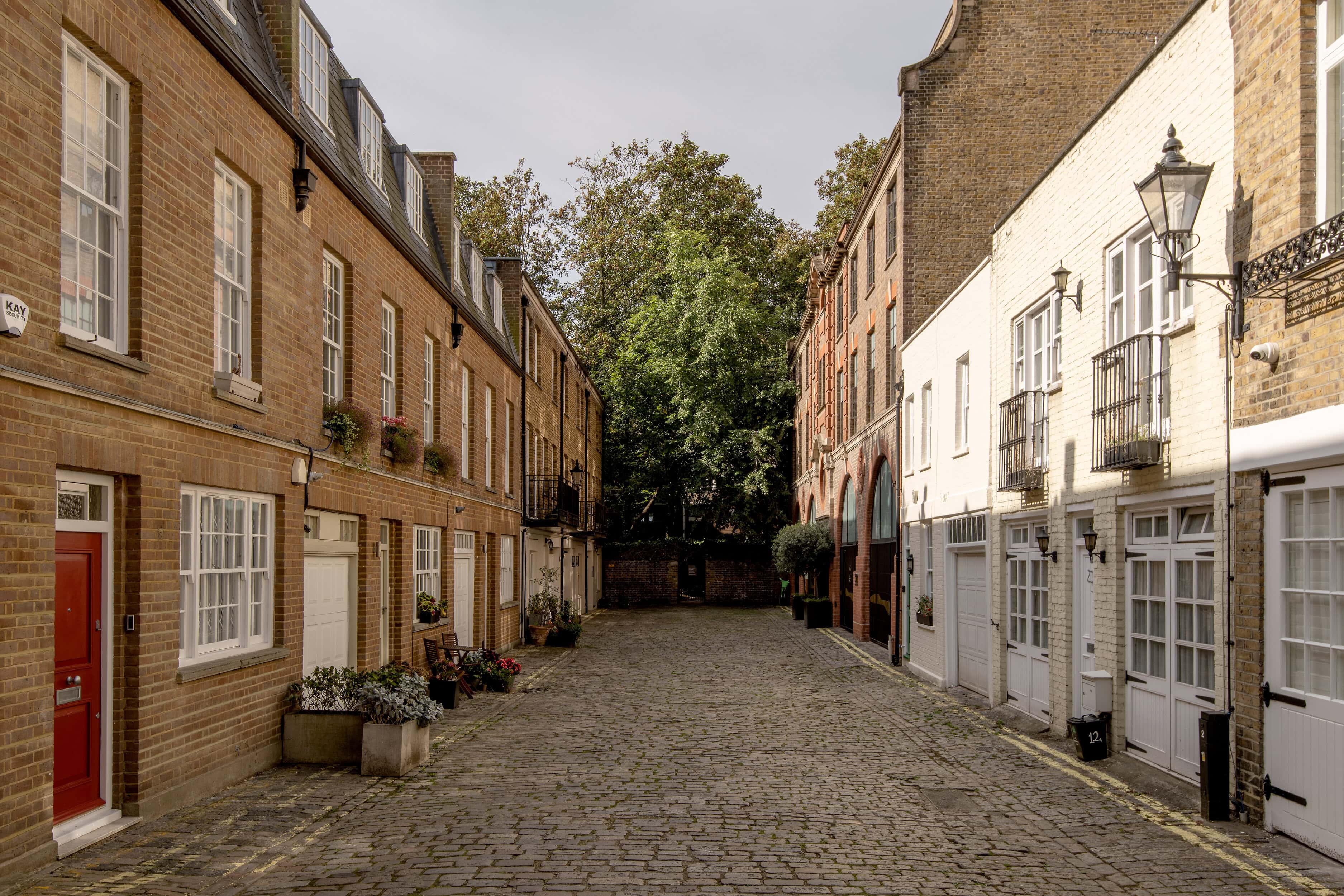
Albion Mews, only minutes from Lancaster Gate underground station, is something of a secret oasis. Hidden by two manicured bay trees, this mews reveals a verdant cul-de-sac full of willowy branches and pretty planting. Perhaps, the overriding sense of nature and calm, was the reason Viennese-born Dame Lucie Rie lived happily at Number 18 and worked as an acclaimed potter until the age of 88. Another significant figure and former resident in the mews, Sir Charles Vyner Brooke, was the last white Rajah of Sarawak.
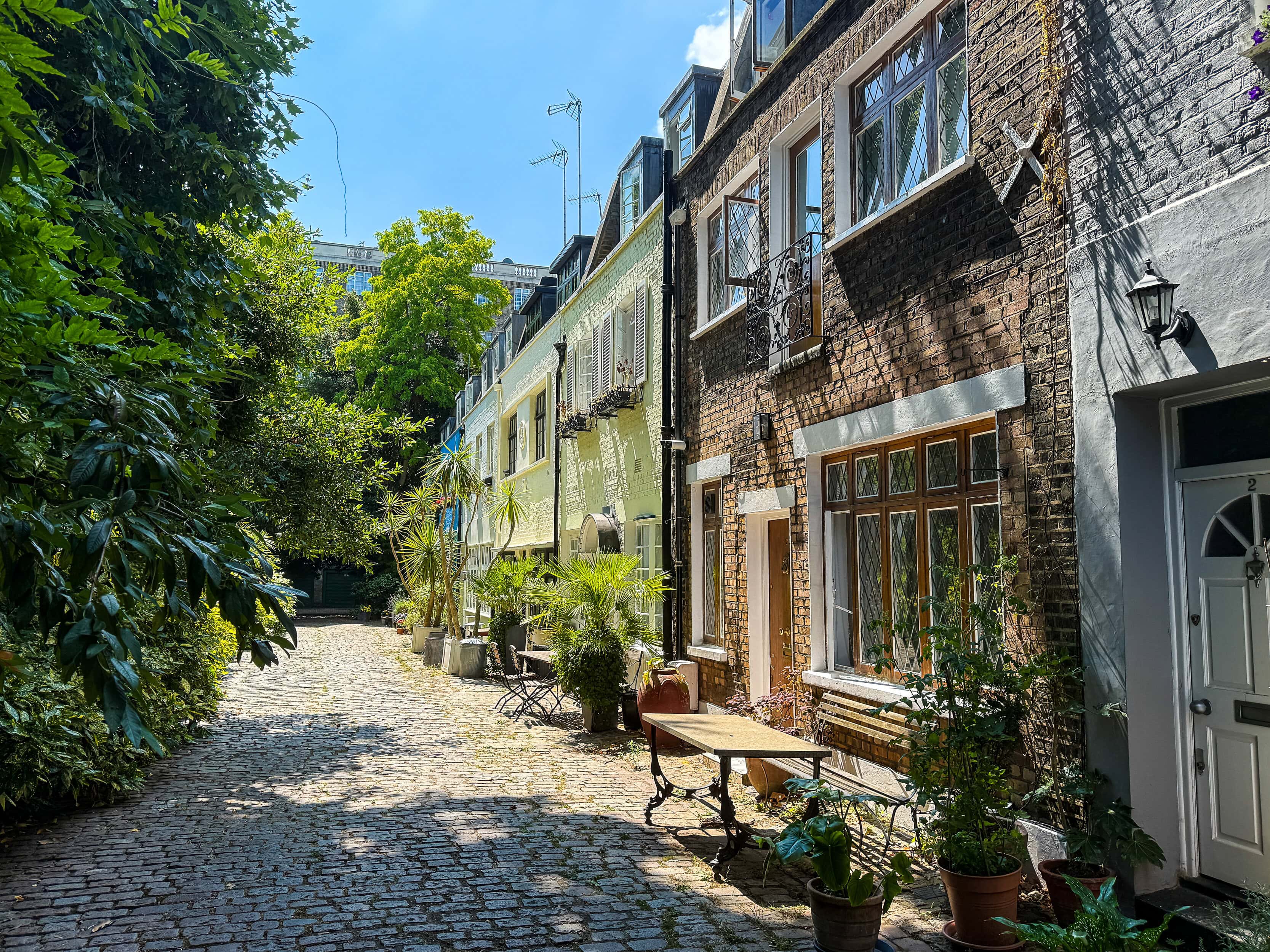
Moments from Connaught Village is the charming period mews Archery Close, that stands on the historic site used by the oldest archery society – the Royal Toxophilite Society archers. Today, its pastel-painted houses with pretty planted pots of trees, shrubs and flowers could make you forget you’re in the heart of the capital with a distinct pastoral air.
Sweetly placed in the hub of some of London’s most iconic mews lies Hyde Park Gardens Mews. The mews is entered through Clarendon Arch, often described as more evocative of Provence in the South of France than central London, with the whiff of lavender and wistful planting in front of 46 exceedingly pretty, characterful mews houses. Virtually adjacent is Clarendon Close, in essence a large cobbled courtyard with less than a handful of mews properties, three of which are larger and enjoy private gardens. Previous residents have been Michael Grade, former head of ITV, and BBC newscaster Nicholas Witchall.
Café Culture, Friendly Local Pubs and Fine Dining
One of the characteristics of Hyde Park Estate is the incredible choice of cuisine from around the world that locals and visitors can experience. Whether it’s Middle Eastern dishes, a classic curry or a traditional English Sunday roast, this area caters for all tastes and palettes. The area is an eclectic mix of nationalities such as Greek, Russian, South East Asian and Middle Eastern.
We’ve already highlighted Connaught Village as a go-to local destination for shopping, socialising and some fantastic foodie places. Kendal Street Kitchen serves seasonal British produce in a Mediterranean-influenced setting, where one can enjoy handmade pasta and wood-fired pizza in a welcoming and stylish space.
For an authentic and delicious something different, head to the Iraqi and Lebanese restaurant Masgouf. Diners adore its charcoal-grilled fish and generous mezze. For a real treat, The Lanesborough Grill exemplifies modern British dining under the talented direction of Executive Chef, Shay Cooper, where one can enjoy the lavishly decorated dining room, lit by grand chandeliers. A London stalwart on the restaurant scene is Bombay Palace on Connaught Street, who have been serving classic Indian dishes since 1981.
There’s a welcoming local pub virtually everywhere on the Estate and always within a handy walk of a mews. Village locals love The Duke of Kendal, famous for its Sunday piano sessions and neighbourly atmosphere. The Victoria – a cosy traditional pub with period features, open fires and a tasty menu, situated in a Grade II listed Victorian building on Strathearn Place. Tucked away on Bathurst Street, perfect for the residents of Bathurst Mews, is The Stablehand, a more refined restaurant/pub that serves wonderful food, offers an excellent wine list and has the friendly relaxed feel of a country inn while being in W2’s ‘beating heart.’
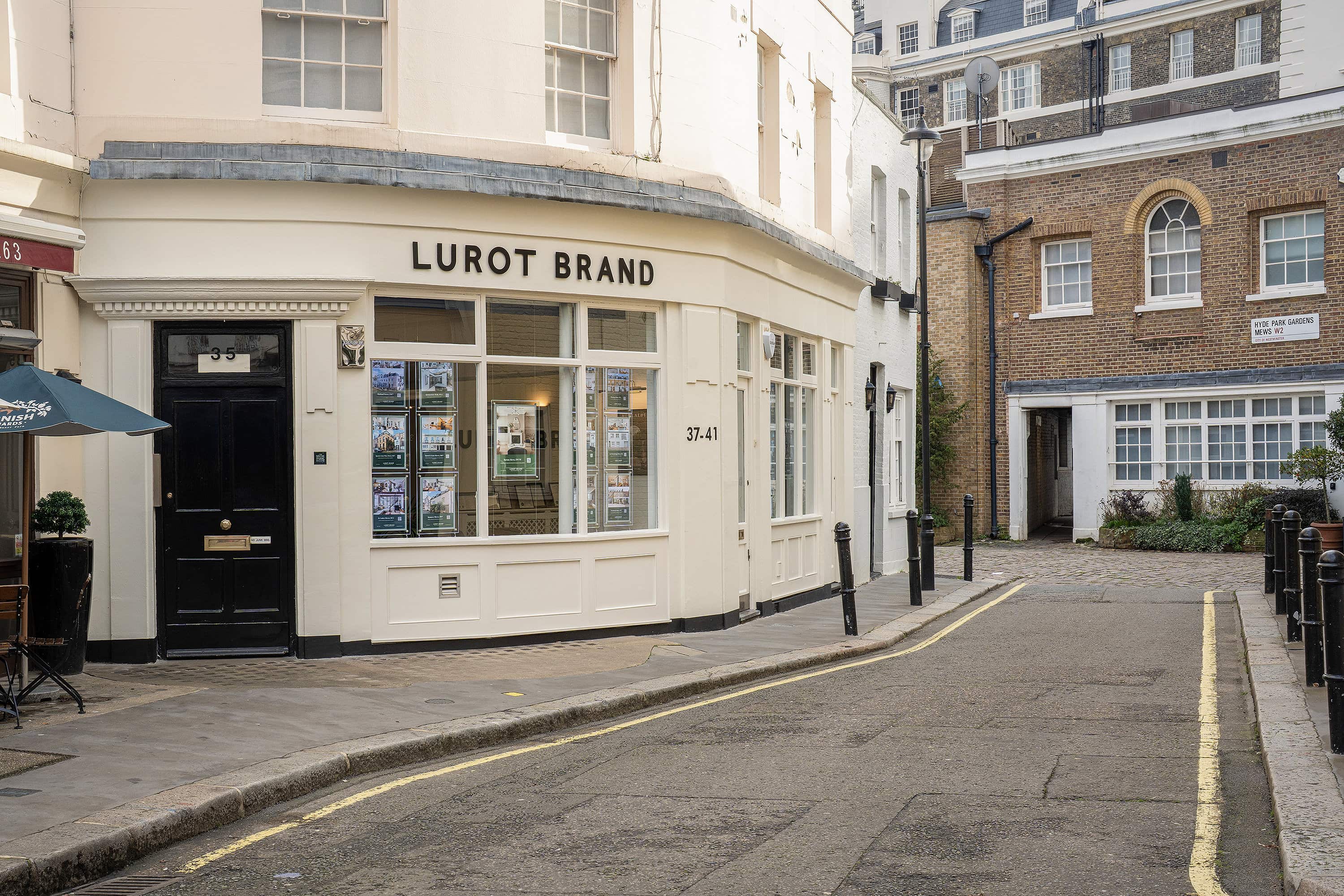
Lurot Brand has had an office on The Hyde Park Estate for over 45 years. This neighbourhood is very much a home-from-home and we feel embedded in the local community with the mews on our doorstep.
Over the years, we’ve watched the Estate evolve and thrive, as improvements, innovation, and conservation have come together to create a welcoming, inclusive village atmosphere. The streets across The Hyde Park Estate provide an opportunity to live a calm, fulfilling life surrounded by a rich variety of amenities and green space.
We currently have properties available on The Hyde Park Estate, including a beautiful four-bedroom house with a roof terrace, located on Sussex Mews West and a fantastic one-bedroom flat to rent on Brook’s Mews North. Residents of the Estate have the best of both worlds: effortless access to central London, combined with the charm of a neighbourhood that feels like a peaceful, welcoming retreat.
If you’d like to view any of our mews properties, for sale or to rent, please email us: enquiries@lurotbrand.co.uk.
