The best things to do in Notting Hill, 2026
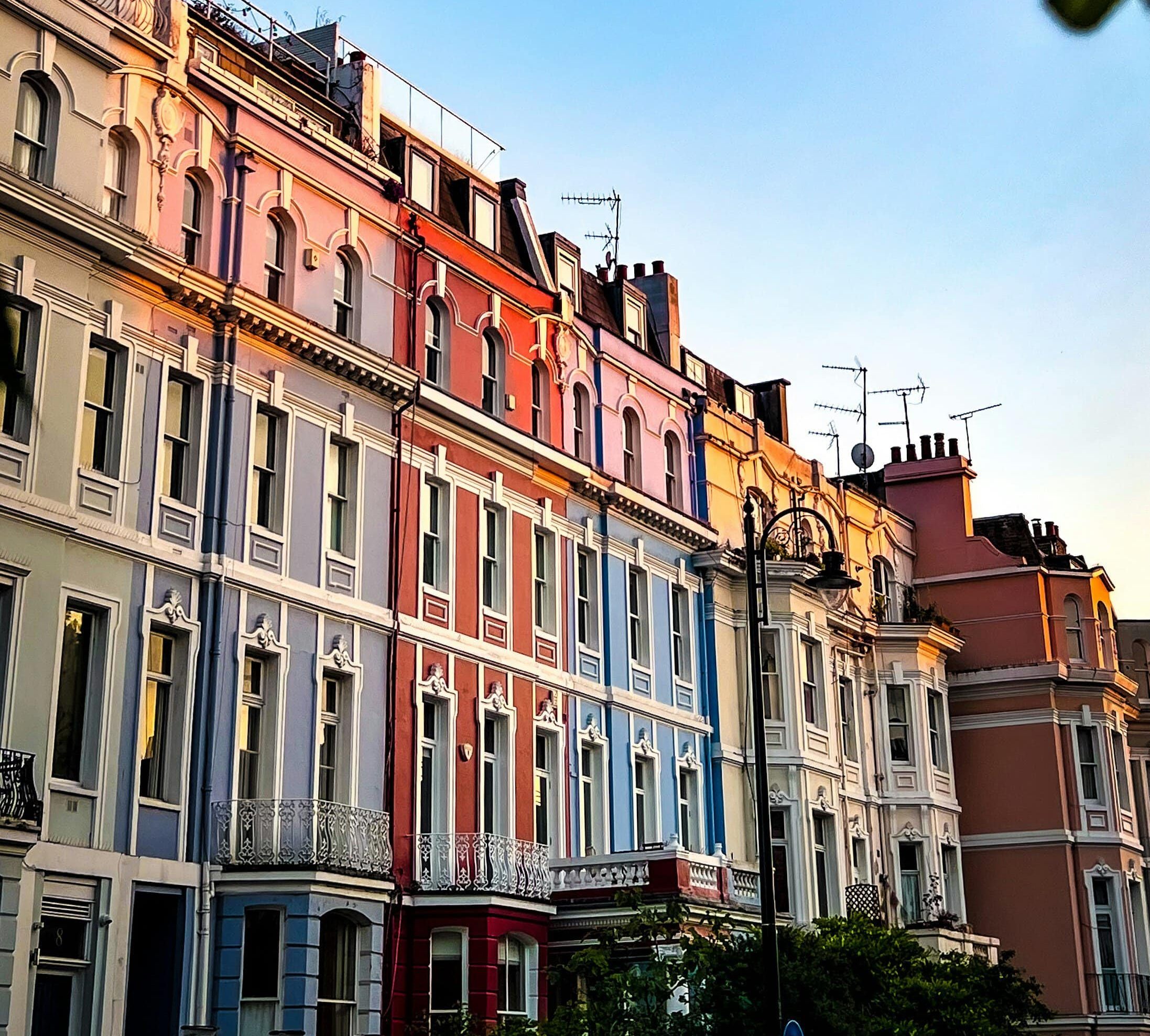
Few London neighbourhoods have the same instant recognition as this prestigious neighbourhood, but what are some of the best things to do in Notting Hill? Famous for its colourful houses, elegant garden squares, hidden mews and vibrant cultural scene, this corner of West London has become one of the capital’s most desirable places to live and visit, whether you’re a resident, tourist or simply want a fun day out in the area.
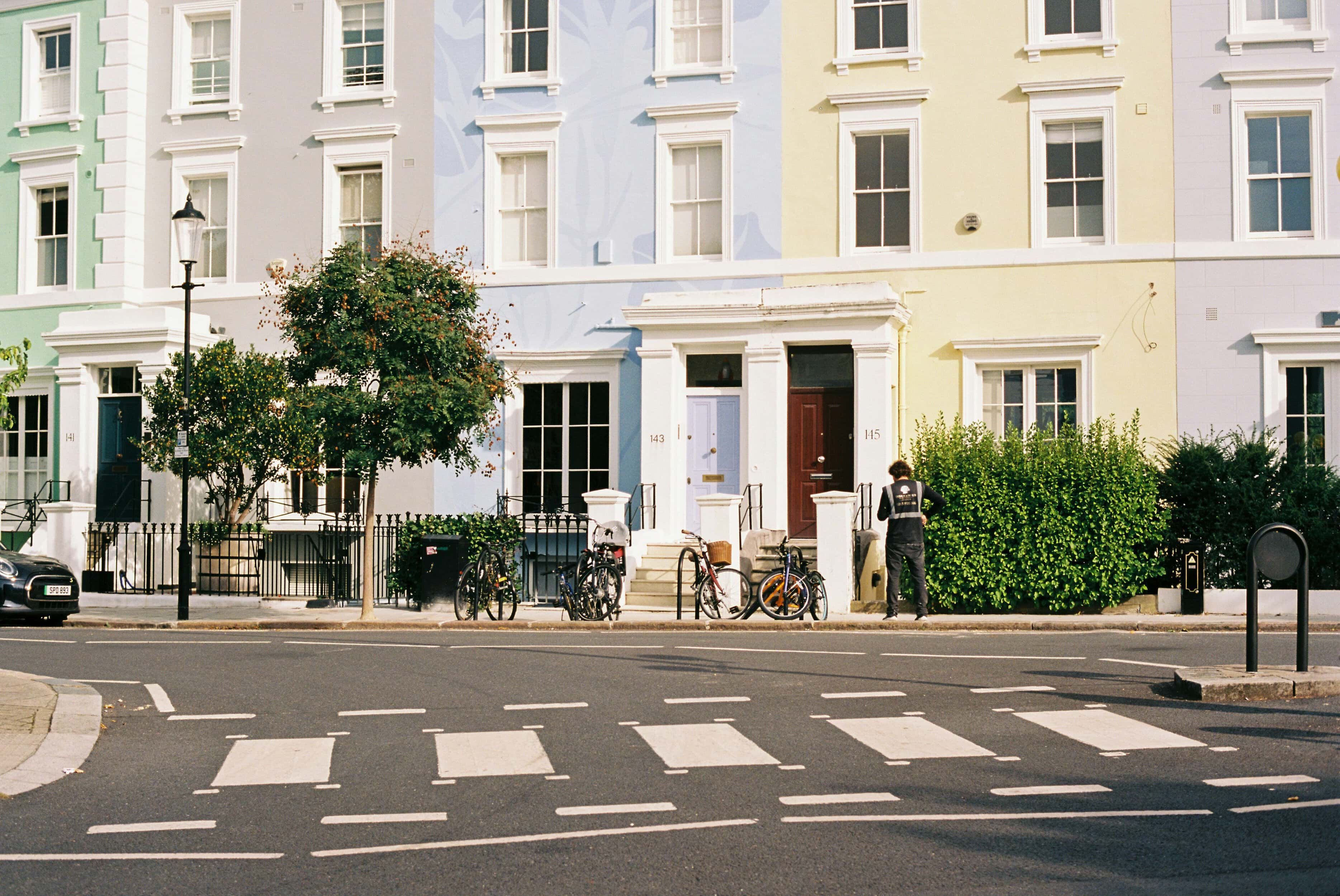
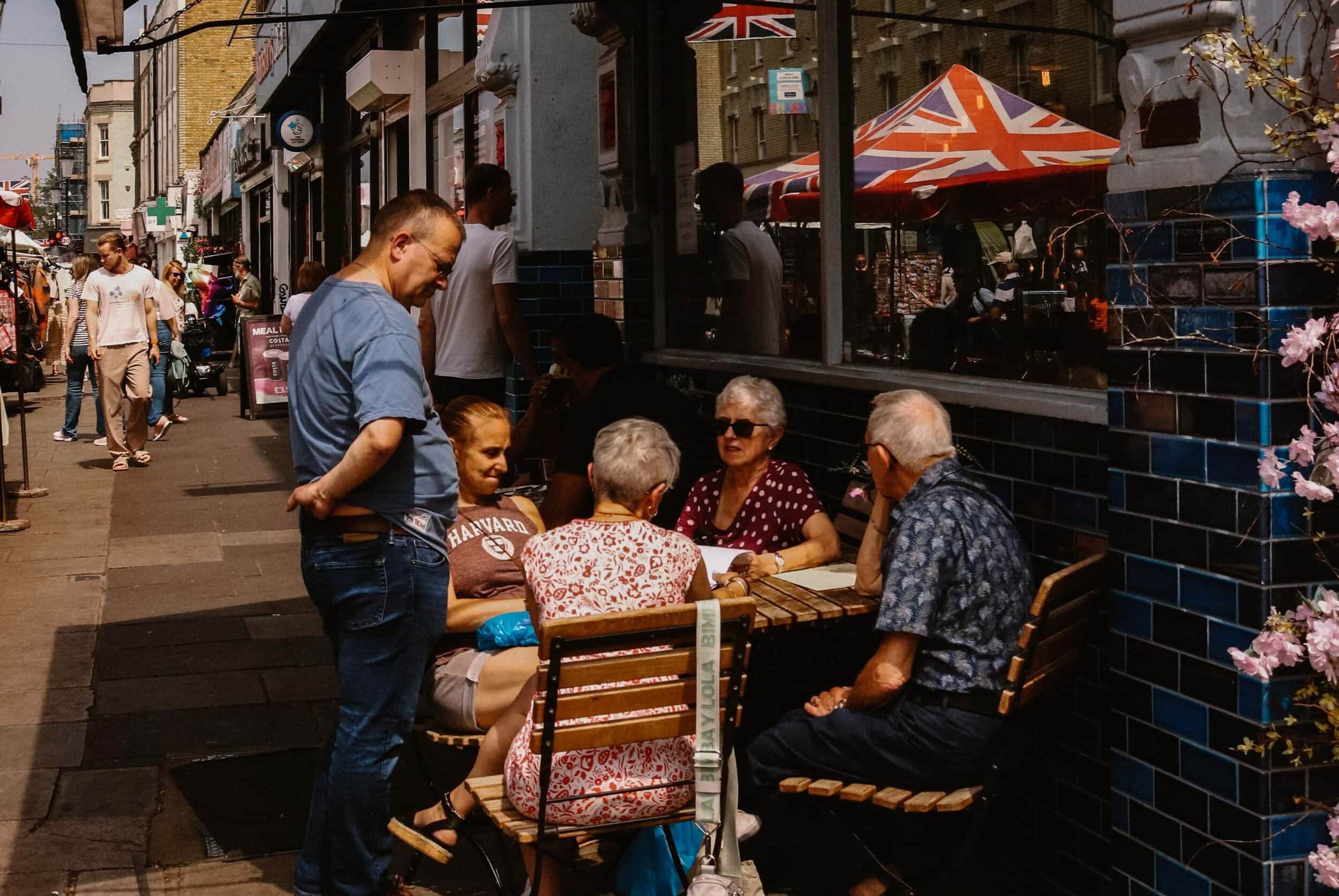
Our Notting Hill area guide explores what makes this neighbourhood so special and what are the top things to do, from the world-famous Portobello Road Market and independent cafés to simply exploring the beautiful and colourful architecture, visiting famous sites and local favourites that make everyday life here so appealing.
What’s so special about Notting Hill?
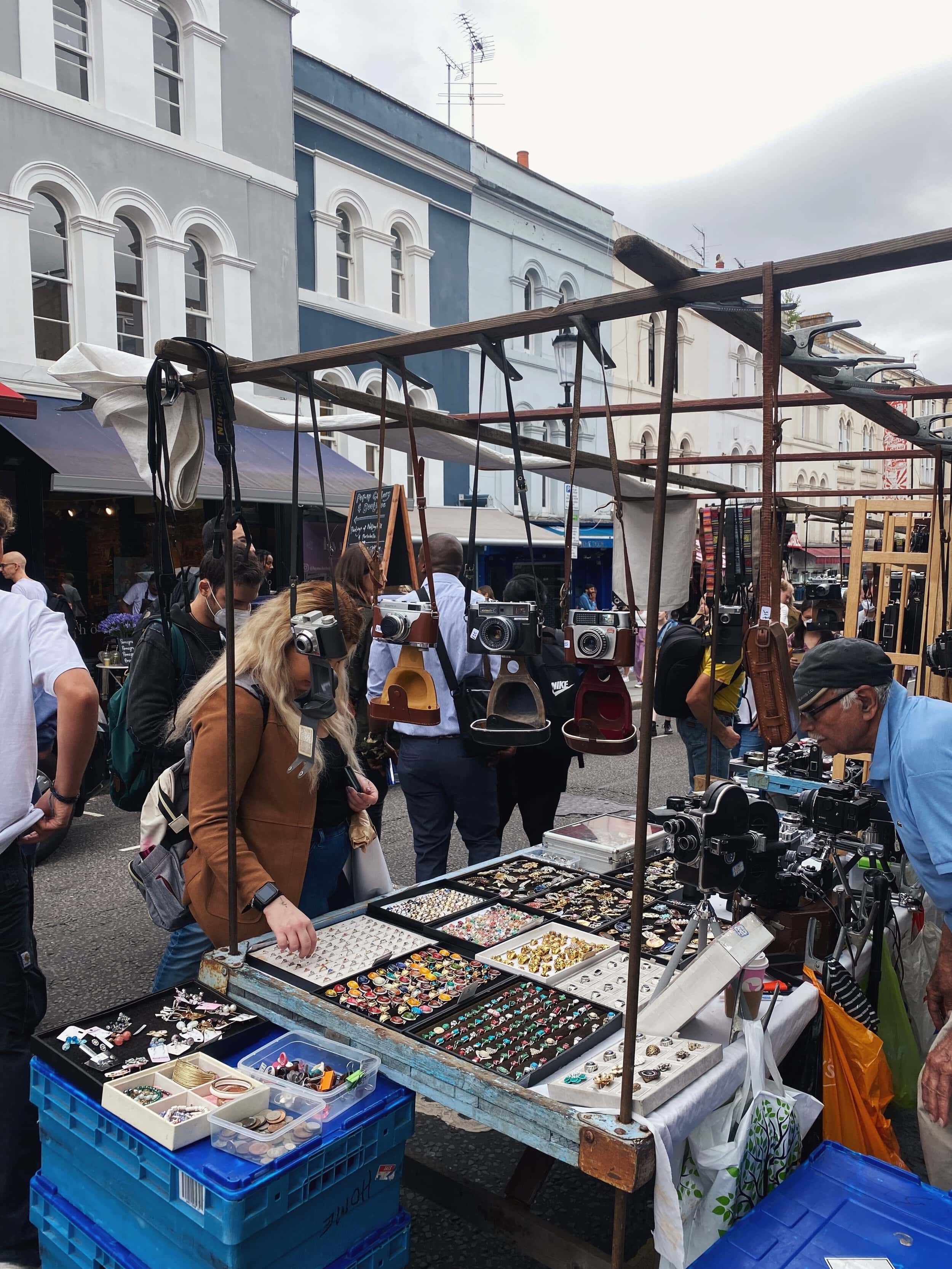
Notting Hill’s appeal lies in its contrasts. One moment you can be browsing antiques along Portobello Road, and the next you can be walking through a quiet residential street lined with pastel-coloured houses and leafy garden squares.
The area has undergone significant transformation over the decades, evolving from its bohemian roots into one of London’s most fashionable neighbourhoods while still retaining its individuality. Today, Notting Hill attracts a diverse community of residents, including creatives, entrepreneurs, families, international professionals and those drawn to its unmistakable West London lifestyle.
The history of Notting Hill
The neighbourhood’s creative spirit dates back decades. During the 1960s and 70s, Notting Hill became a meeting place for musicians, artists and bohemian personalities, influenced by Caribbean culture, local art colleges and the flourishing blues, rock and pop music scenes.
That artistic heritage remains visible today through the area’s independent galleries, record shops, colourful street art and cultural venues. The neighbourhood continues to attract those who value creativity, individuality and a strong sense of place.
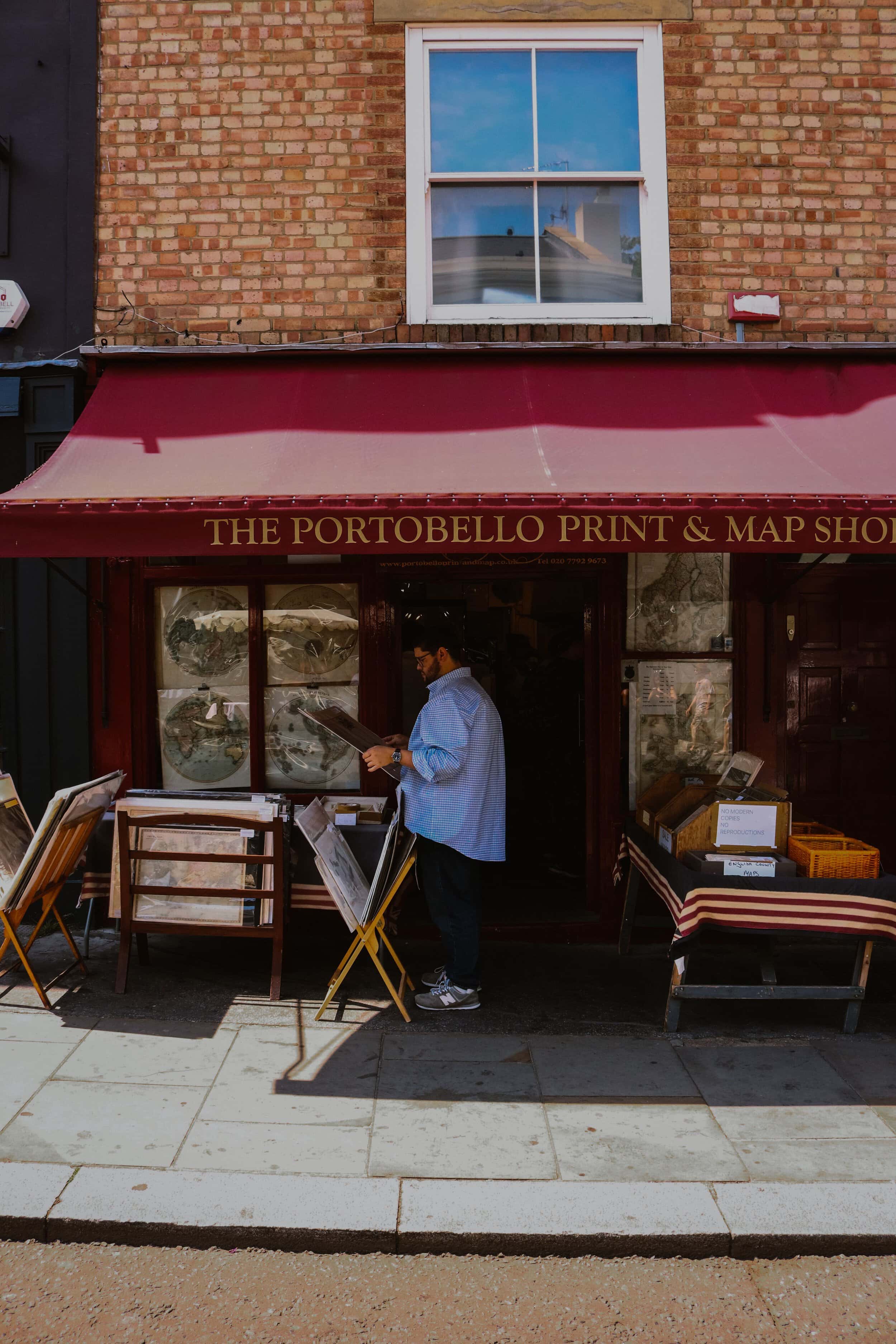
Notting Hill’s cinematic reputation has also added to its global appeal. Its charming streets and distinctive architecture have provided the backdrop for numerous films and television productions, most famously Notting Hill and Love Actually. Visitors still regularly search for the famous blue door and bookshop associated with the film, while St Luke’s Mews remains one of London’s most photographed residential streets.
The best things to do in Notting Hill
Notting Hill is one of London’s most colourful and characterful neighbourhoods, known for its pastel-coloured houses, independent shops and lively atmosphere. Whether you’re visiting for a few hours or spending the day exploring, there’s plenty to discover.
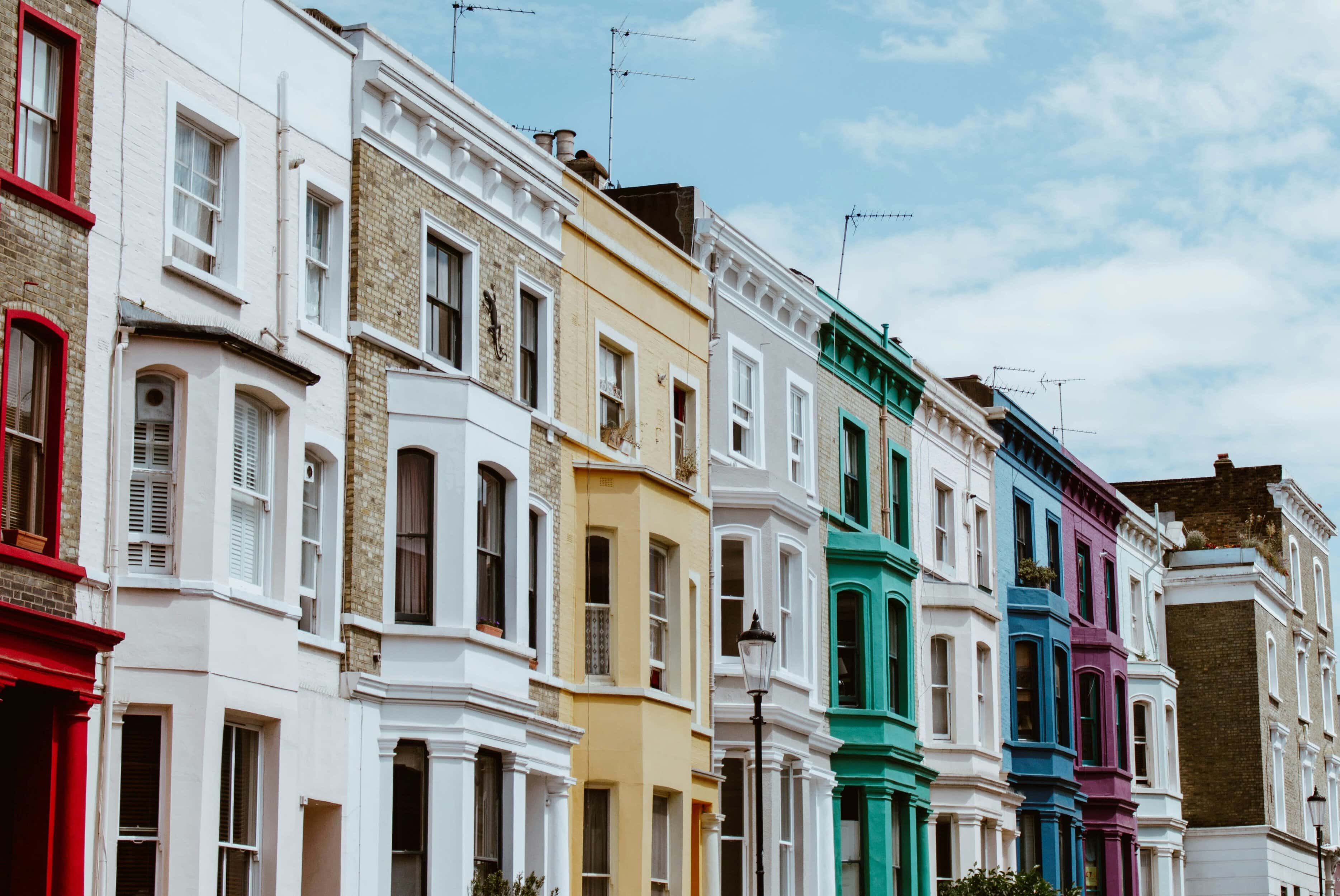
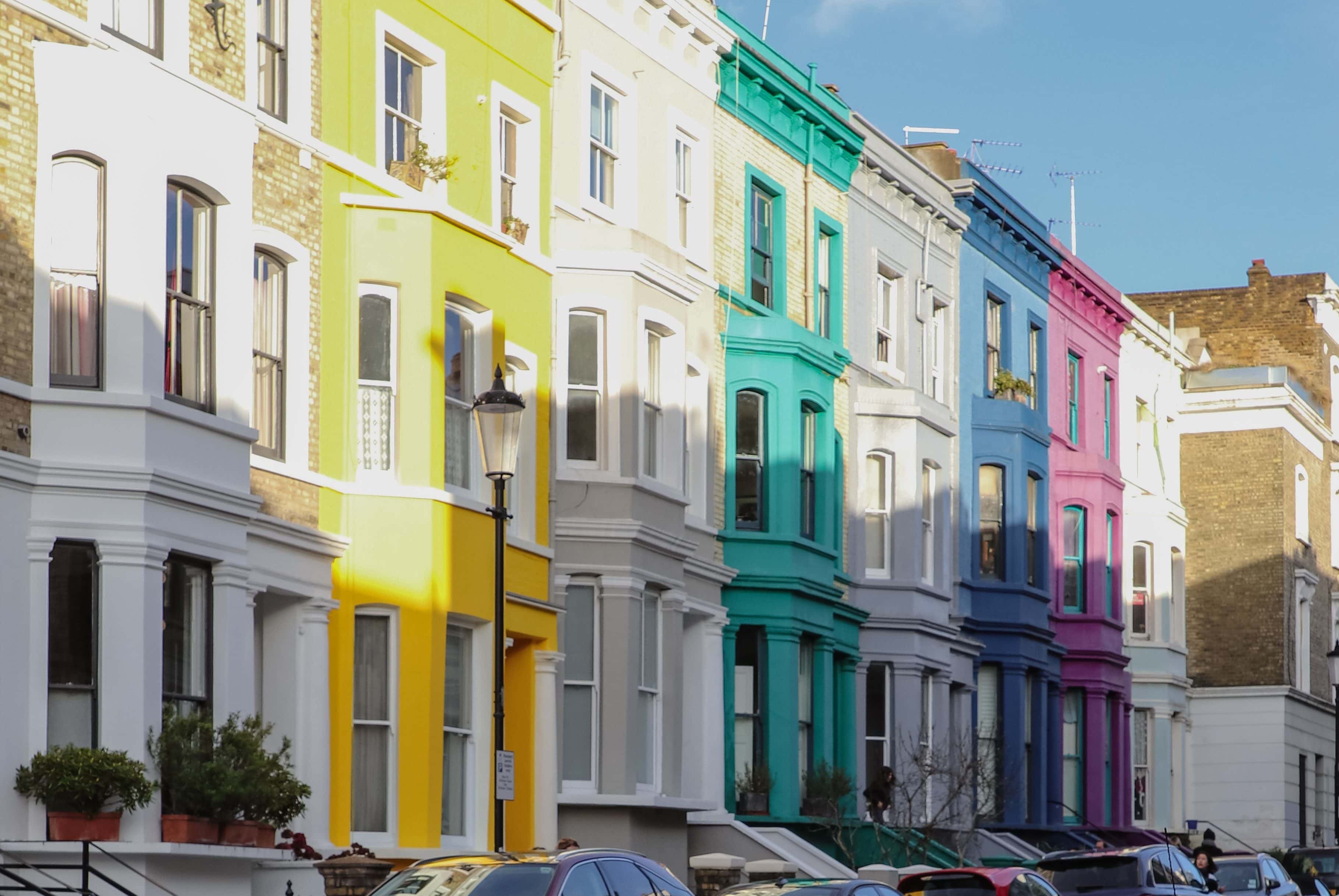
Admire the colourful streets
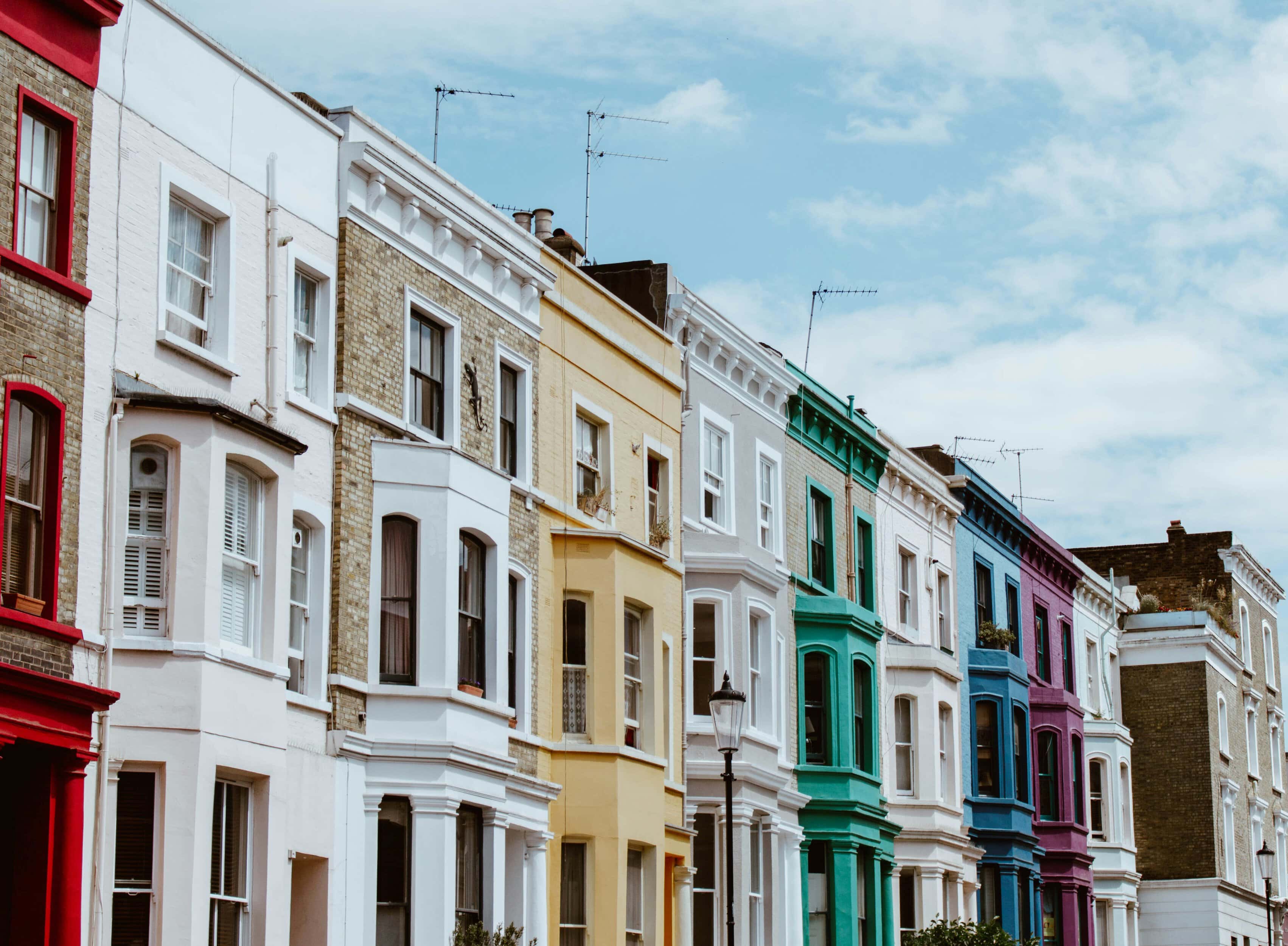
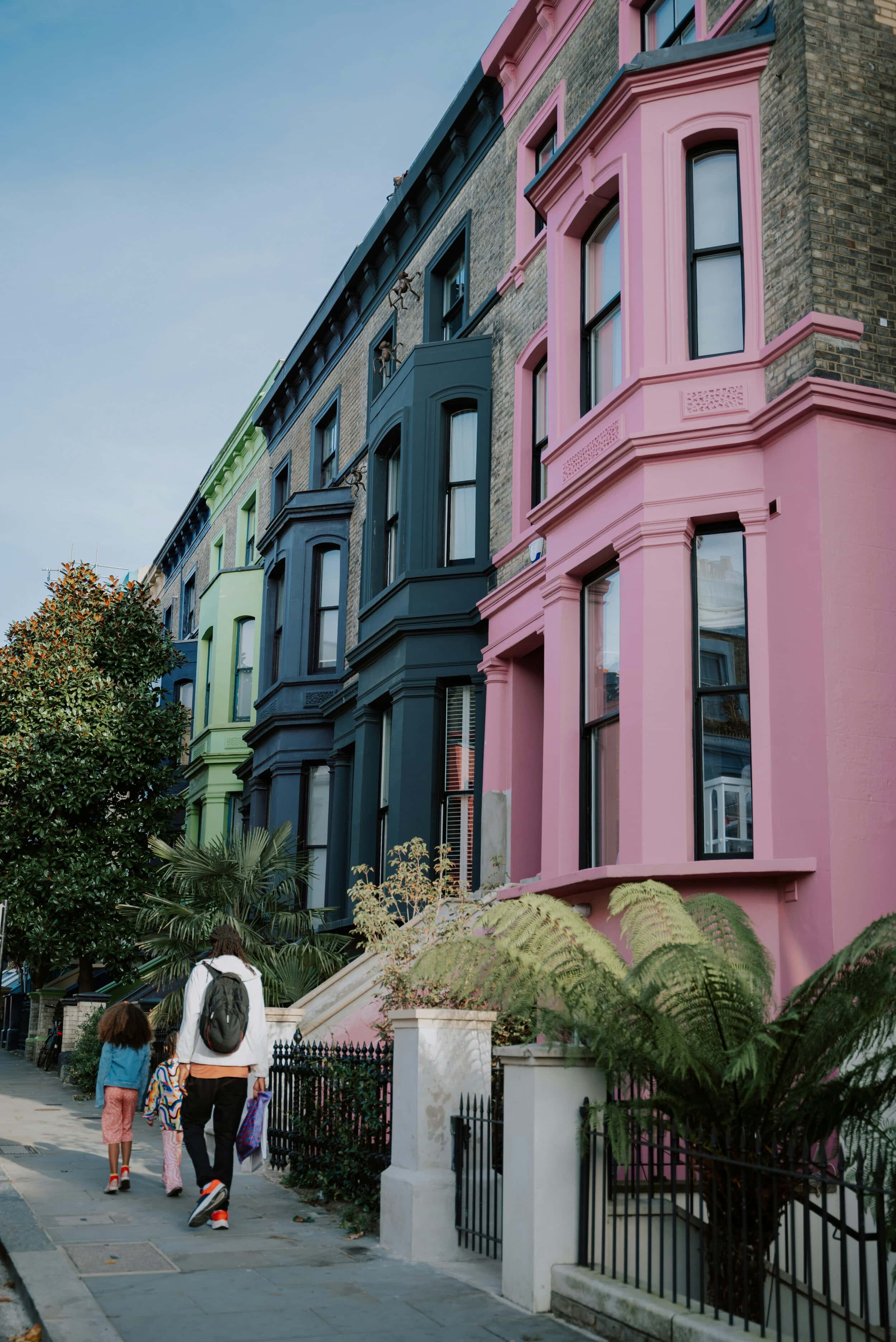
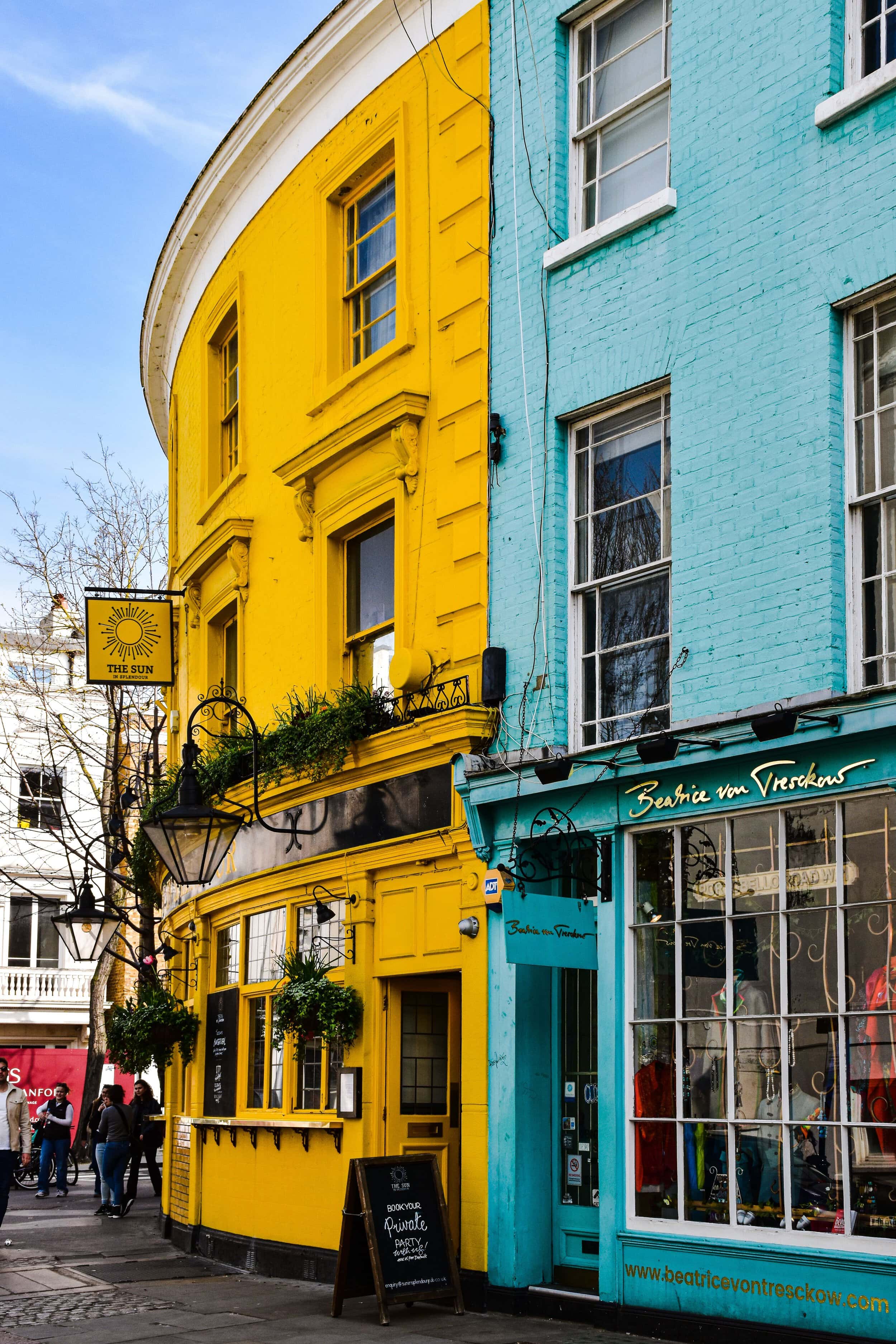
One of the best ways to experience Notting Hill is simply by wandering its beautiful residential streets. The neighbourhood is famous for its pastel-painted townhouses, elegant garden squares and charming mews, making it one of London’s most photogenic areas.
Some of the most picturesque streets include:
Lancaster Road: One of the brightest streets in the area, known for its rows of colourful houses close to Portobello Road.
Hillgate Place, Hillgate Street and the surrounding Hillgate Village: A collection of quiet streets lined with pastel-coloured homes, climbing roses and charming front gardens.
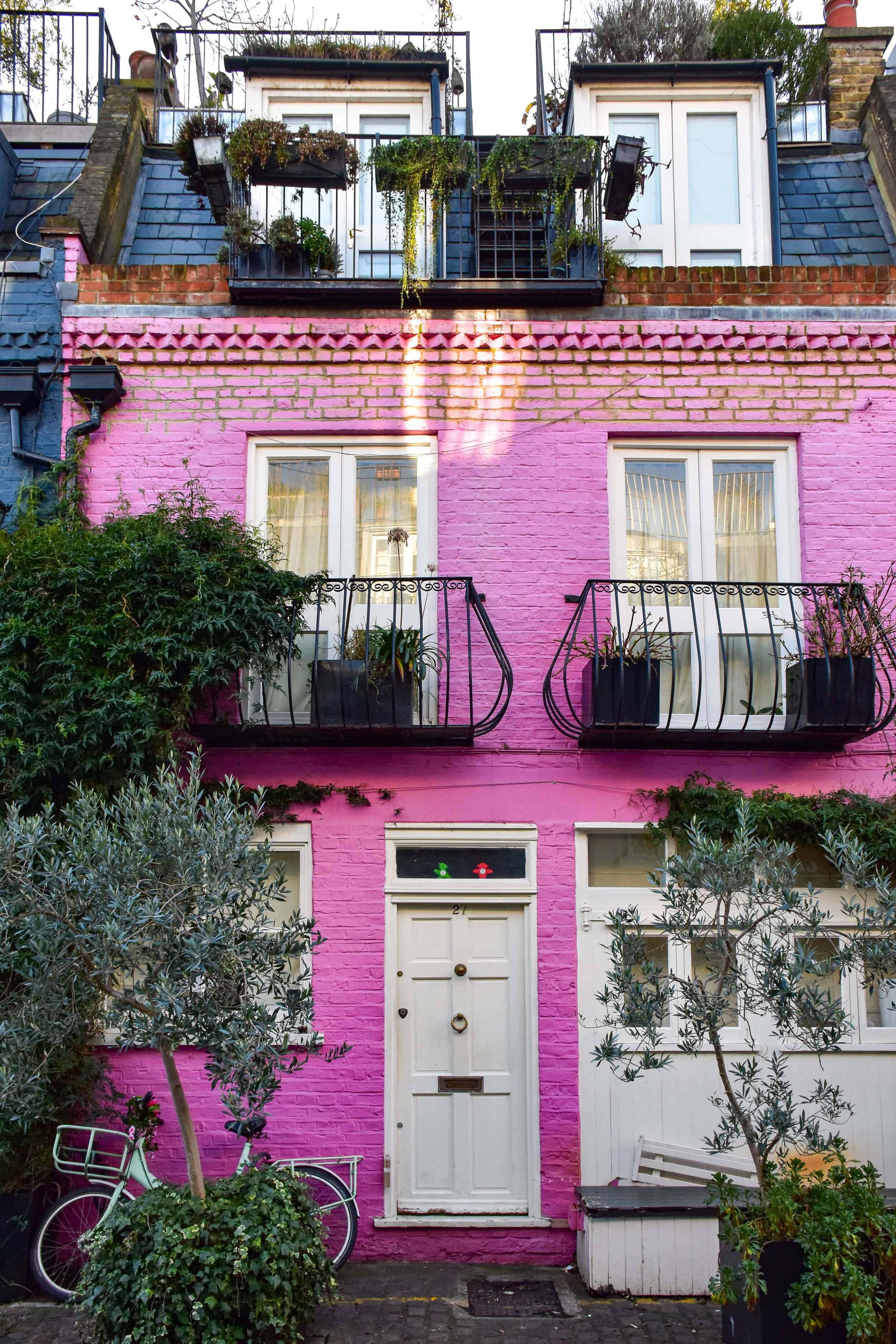
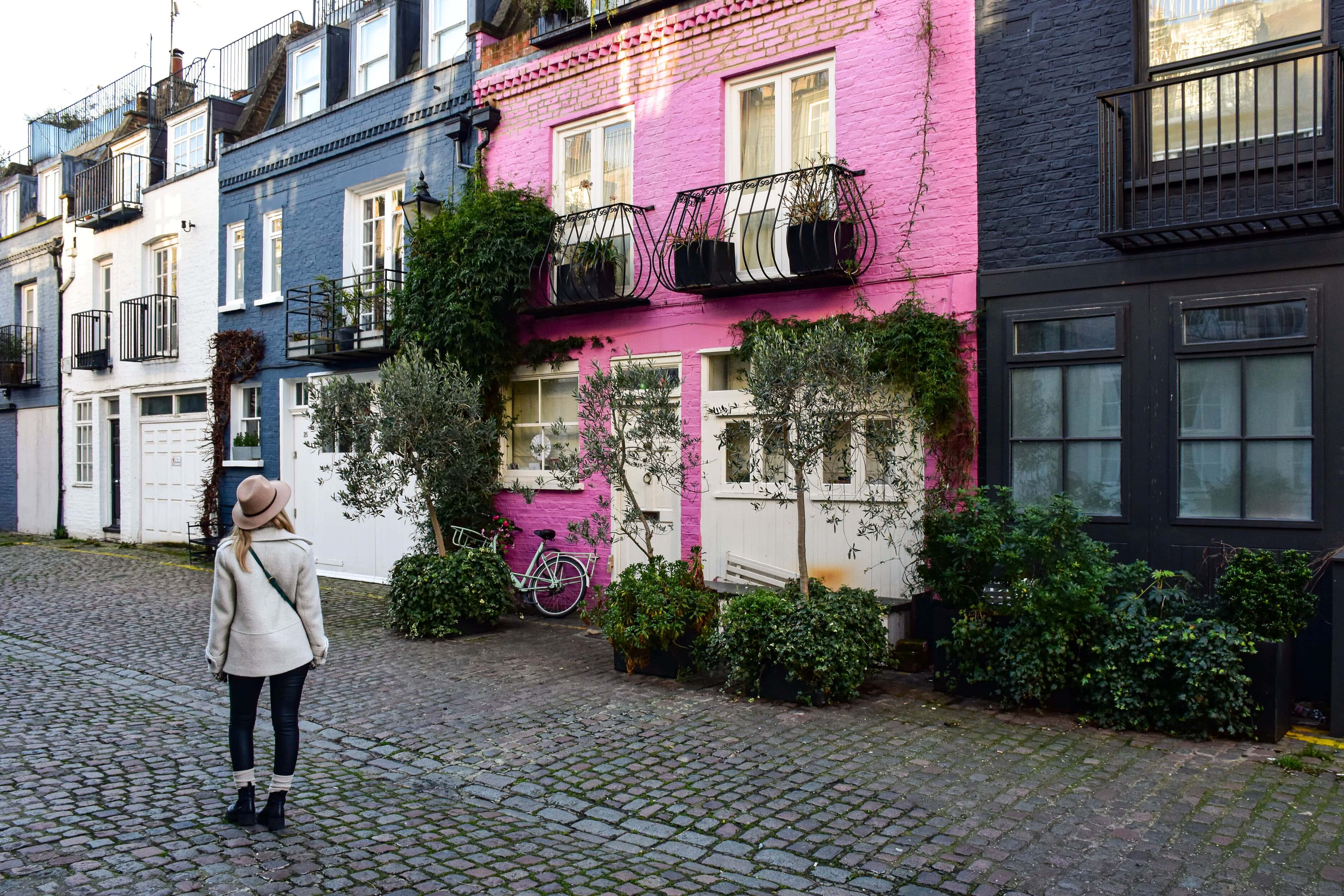
St Luke’s Mews: A peaceful cobbled mews with beautifully kept houses, whose pink house was made famous by the film Love Actually.
Elgin Crescent: A beautiful crescent of colourful Victorian homes, just a short walk from Portobello Road.
Colville Terrace: A picturesque terrace with colourful façades and a relaxed residential feel.
Chepstow Villas: A tree-lined street with impressive period homes overlooking peaceful communal gardens.
Explore Westbourne Grove
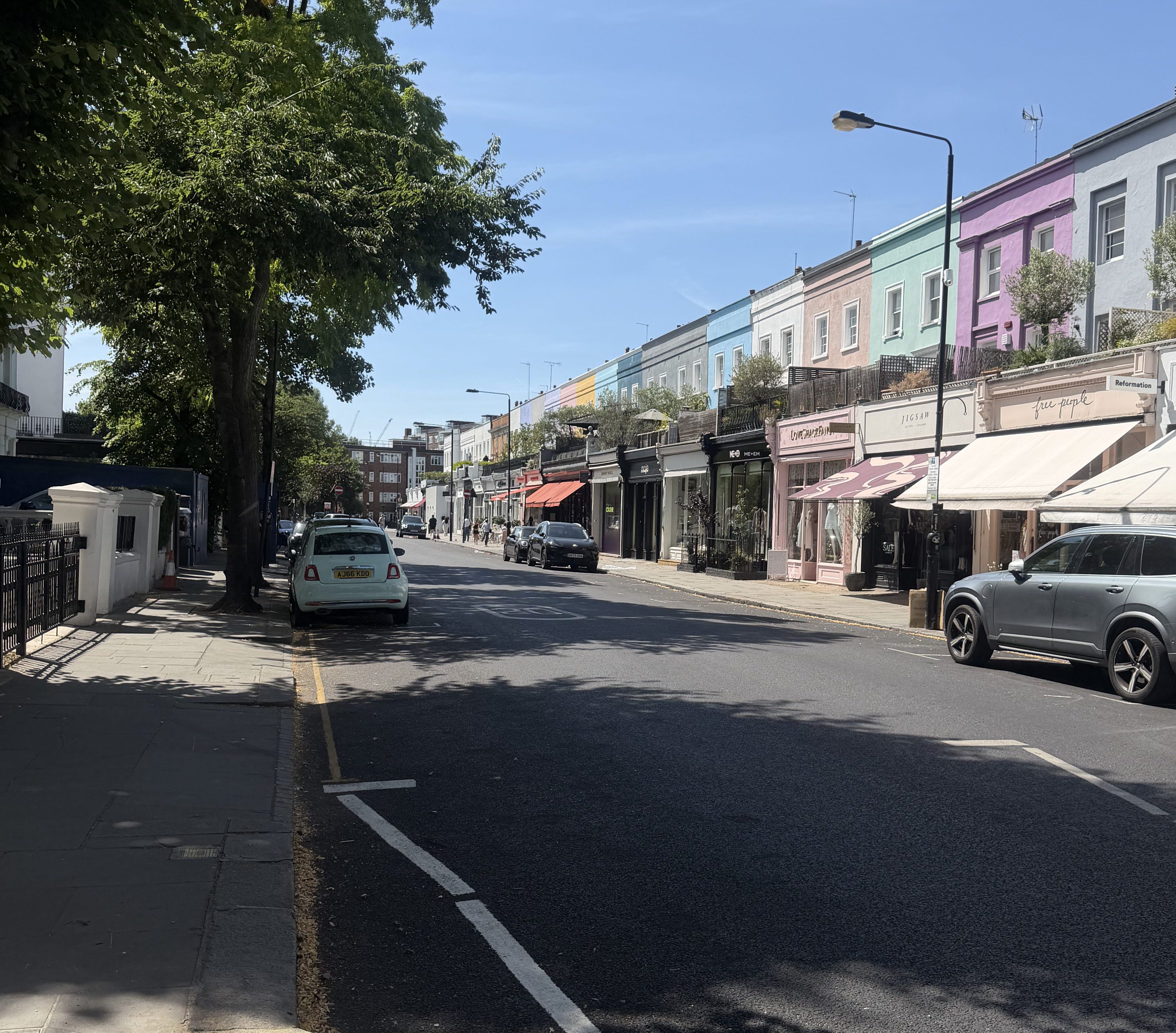
Just south of Portobello Road, Westbourne Grove is lined with stylish boutiques, independent retailers and well-known fashion brands. It’s also a great place to stop for brunch, coffee or dinner, with a wide choice of cafés and restaurants.
Visit Golborne Road
At the northern end of Portobello Road, Golborne Road has a more local feel, with vintage shops, antique stores, bakeries and international food spots. It’s often quieter than the main market and well worth exploring if you want to escape the crowds.
Discover hidden mews streets
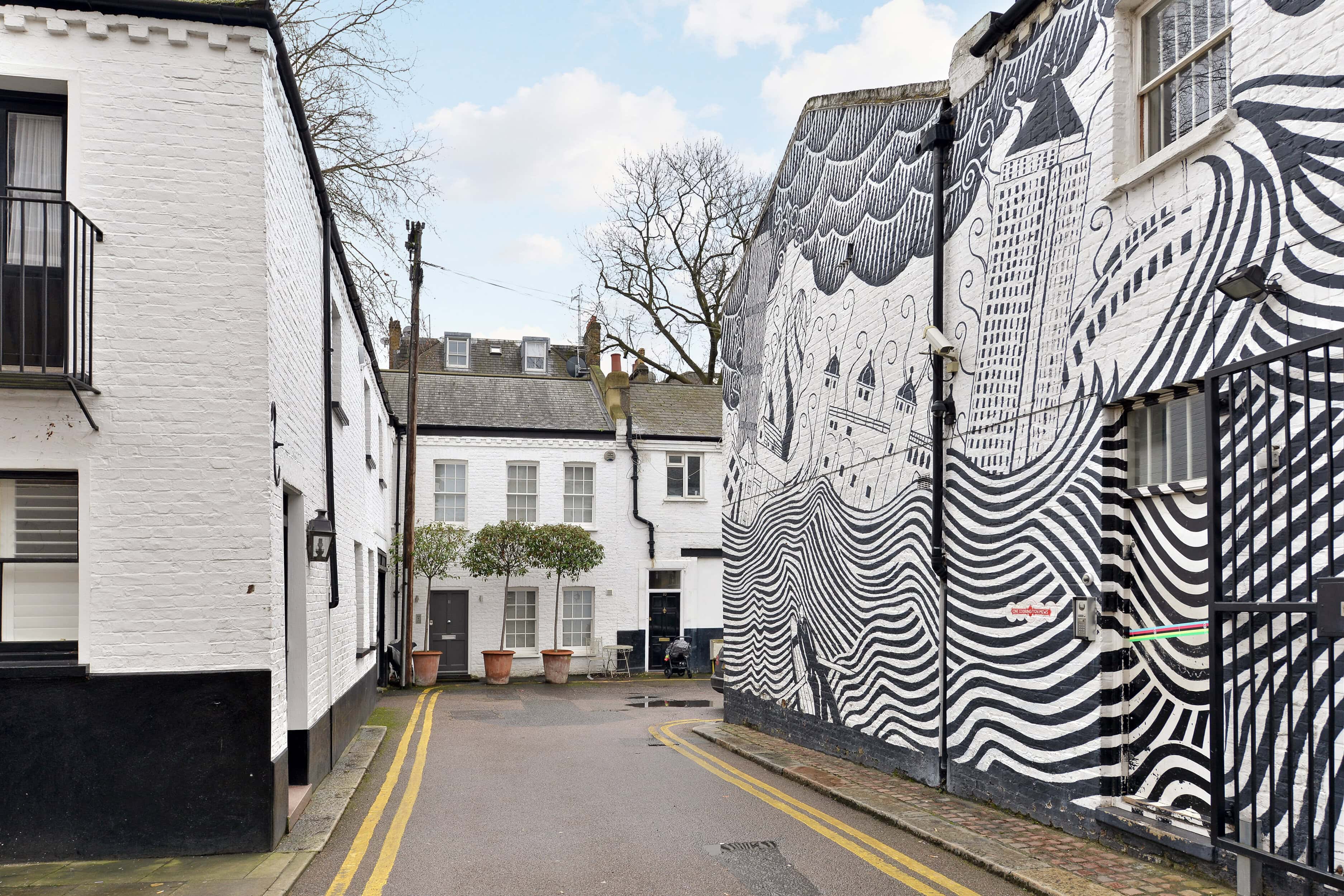
Notting Hill is home to several picturesque mews streets, including St Luke’s Mews, Horbury Mews, Codrington Mews with its famous black and white mural and Pembridge Mews. These peaceful residential lanes are known for their colourful homes and flower-filled doorways, making them popular with photographers and visitors alike.
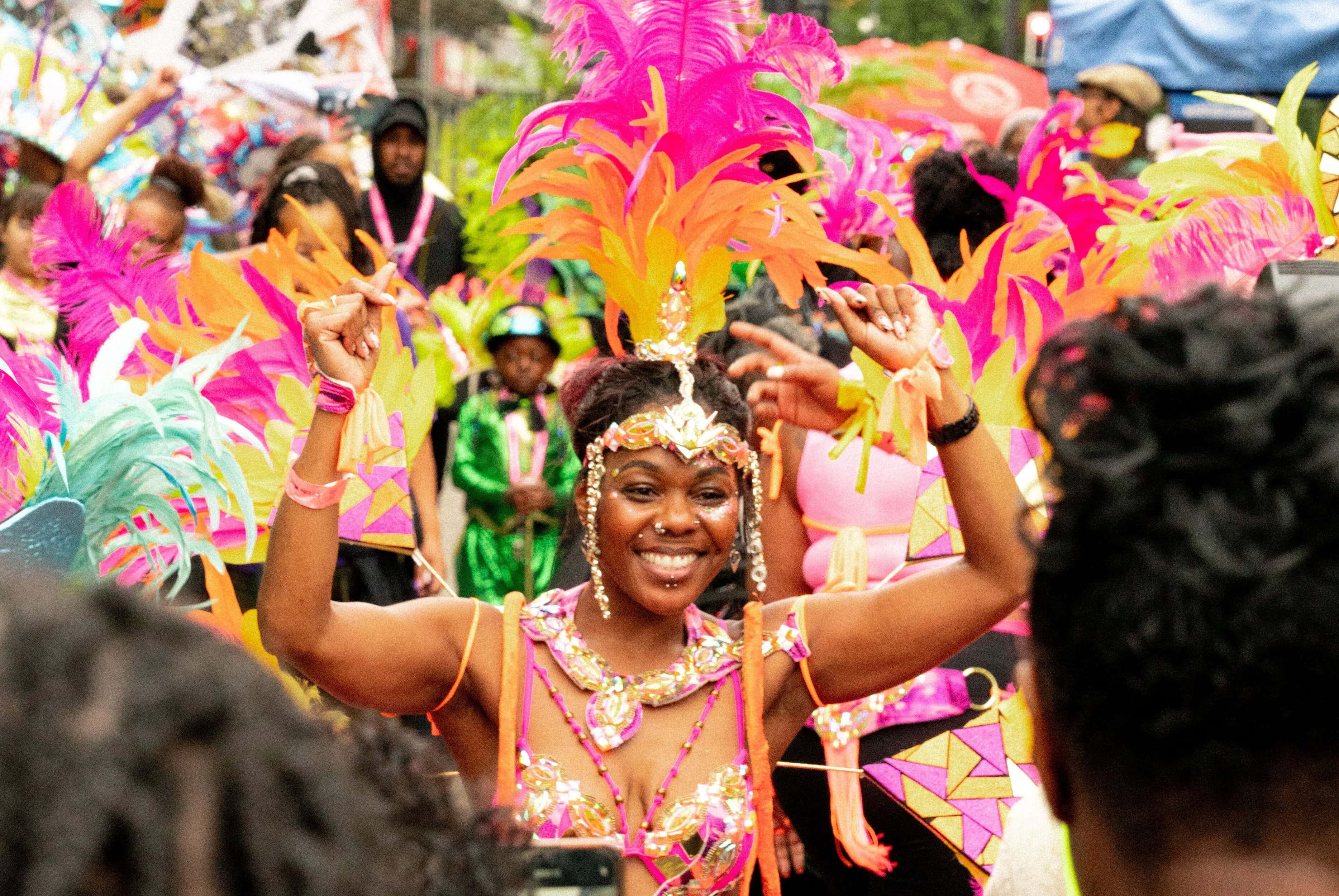
Visit during Notting Hill Carnival
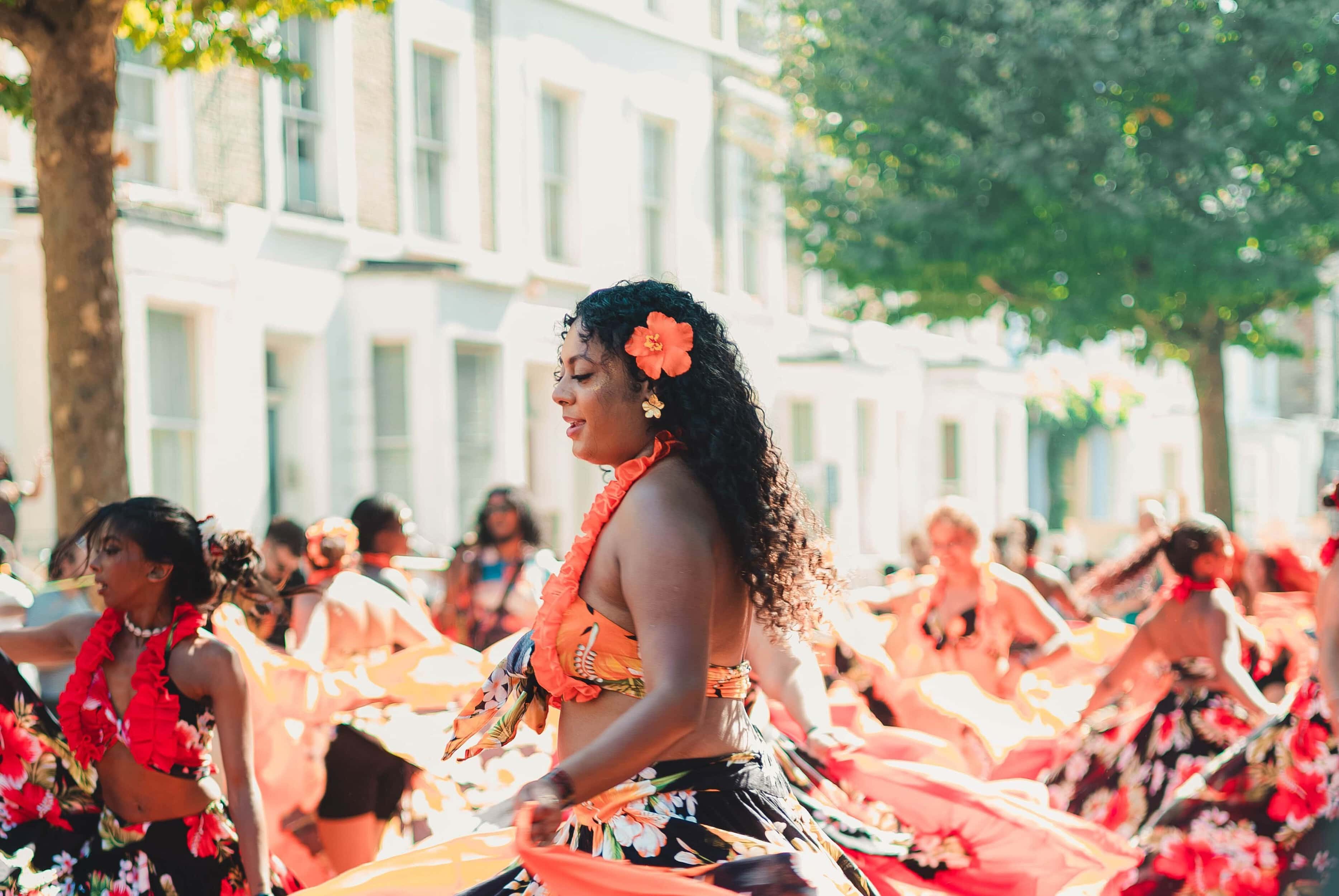
Every August Bank Holiday, the neighbourhood comes alive with the world-famous Notting Hill Carnival. The streets fill with colourful parades, live music, Caribbean food and dancing, creating one of Europe’s largest and most vibrant street festivals.
Enjoy the local food scene
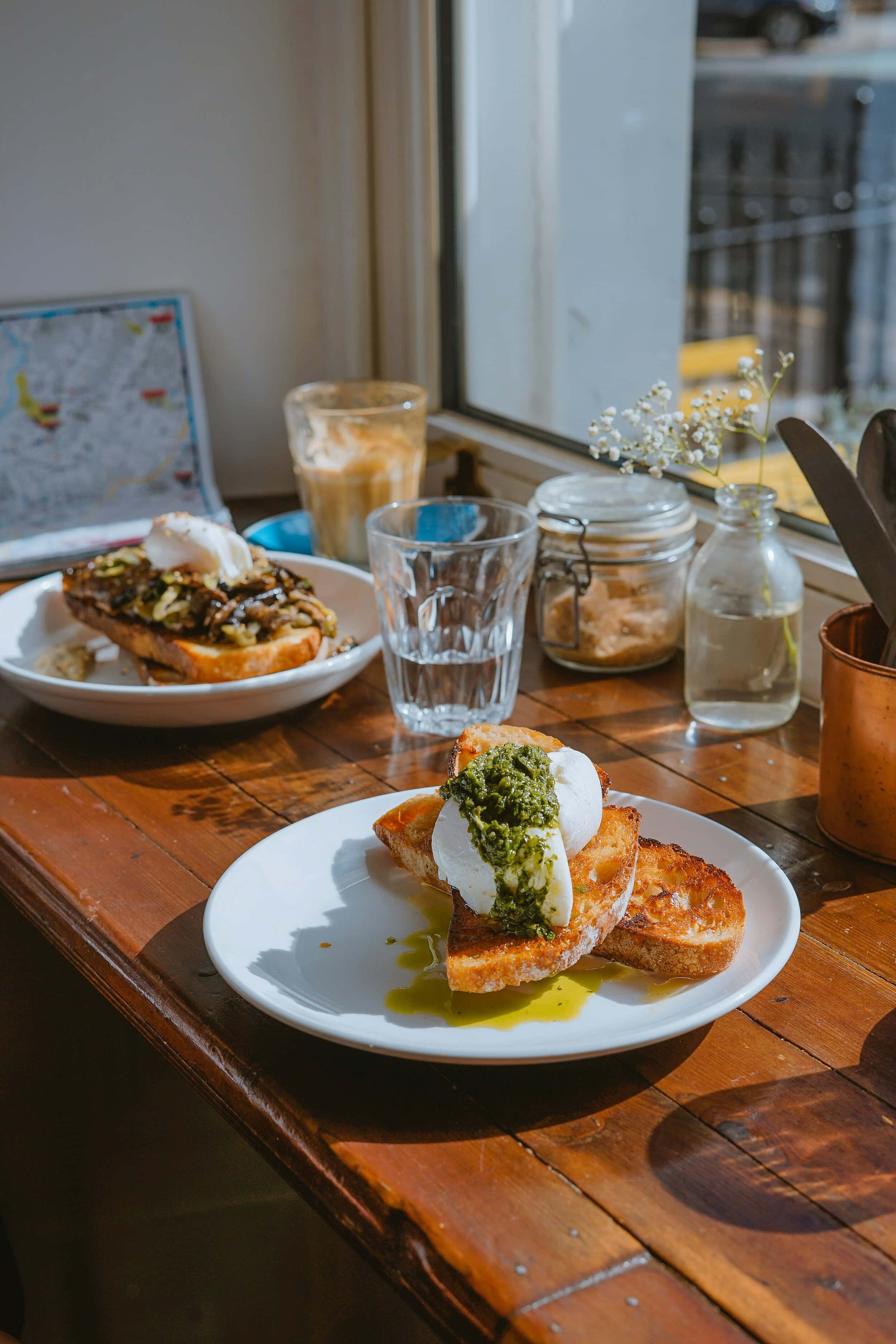
Notting Hill is packed with excellent places to eat, from cosy neighbourhood cafés and artisan bakeries to award-winning restaurants. Whether you’re after brunch, international cuisine or a relaxed evening meal, there’s something to suit every taste. Some of our favourites include Gold, with its beautiful interiors and exterior, Libby’s which is a fantastic gluten-free bakery and Drunch, with its charming outdoor terrace and delicious brunch options.
Stop for a caffeine hit
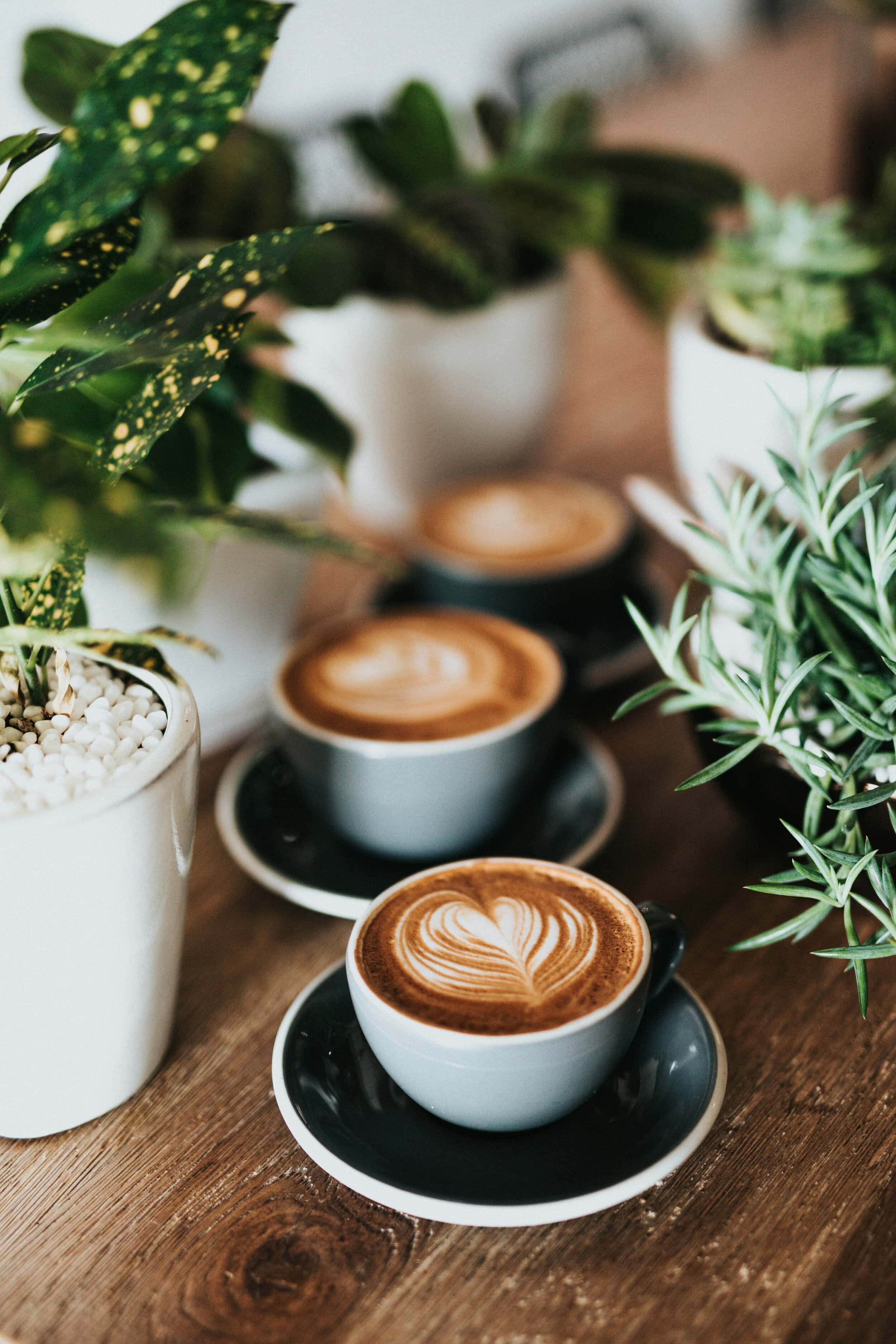
The area has no shortage of independent coffee shops, making it easy to take a break while exploring. Many cafés have outdoor seating, perfect for watching the world go by after browsing the local shops and markets. Our favourites include the Notting Hill Coffee Project, which offers exceptional coffee with a focus on sustainability, Knoops for an amazing hot chocolate and Farm Girl for its beautiful location to sip on their excellent Australian coffee.
Look out for film locations
Fans of the classic romantic comedy Notting Hill can visit several filming locations throughout the neighbourhood including the following:
The Blue Door – Located at 280 Westbourne Park Road, this famous doorway was the home of Hugh Grant’s character, William Thacker. It was also once the real-life home of the film’s screenwriter, Richard Curtis.
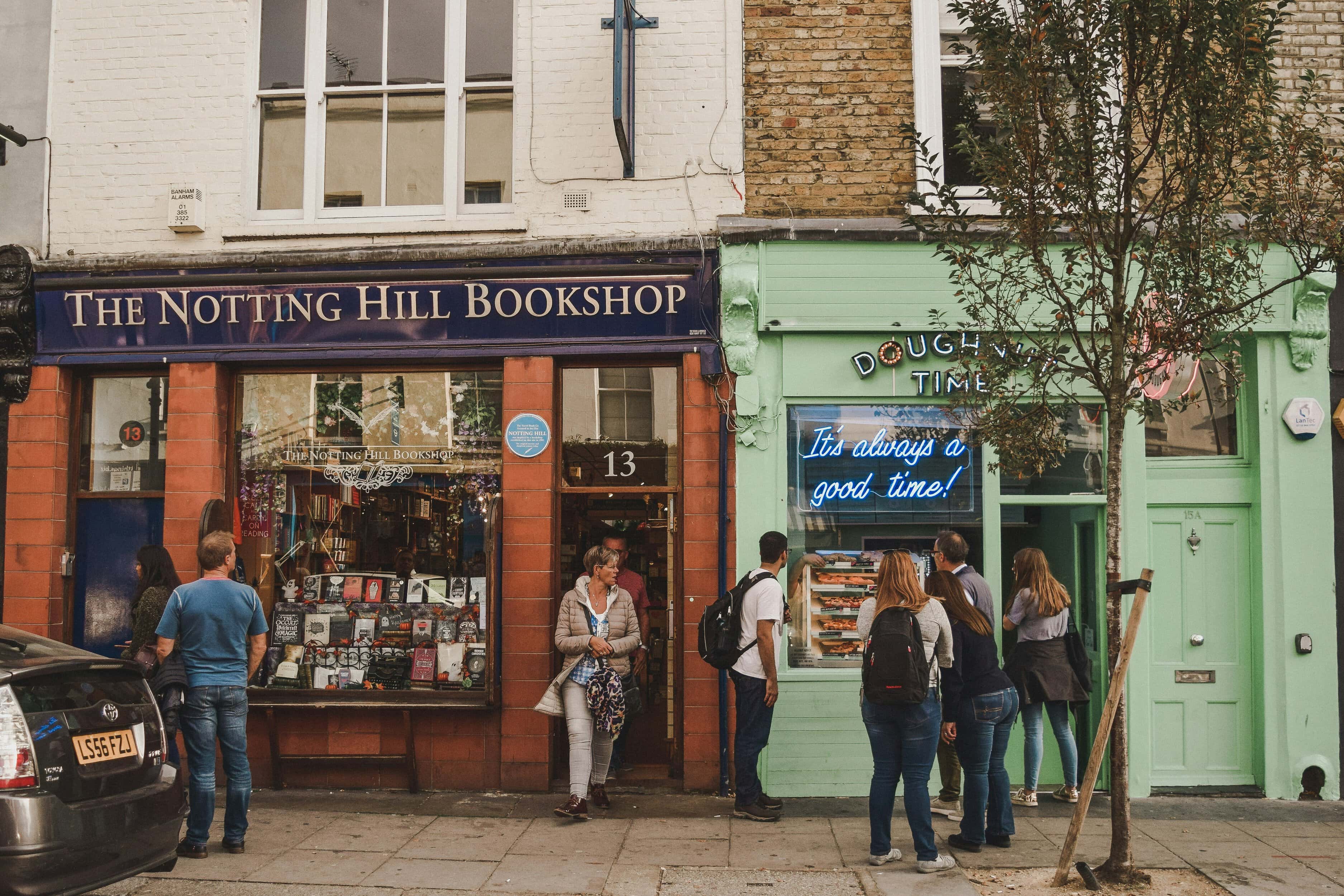
The Travel Bookshop – The shopfront at 142 Portobello Road was used as the exterior of William’s bookshop. While the fictional travel bookshop no longer exists, the story was inspired by The Notting Hill Bookshop on nearby Blenheim Crescent.
Rosmead Gardens – This private garden square on Rosmead Road is where William and Anna famously climb over the fence for a late-night stroll. Although the gardens are private, you can still admire them from the outside.
Bella and Max’s House – Found at 91 Lansdowne Road, this is the setting for the memorable birthday dinner scene shared by William and his friends.
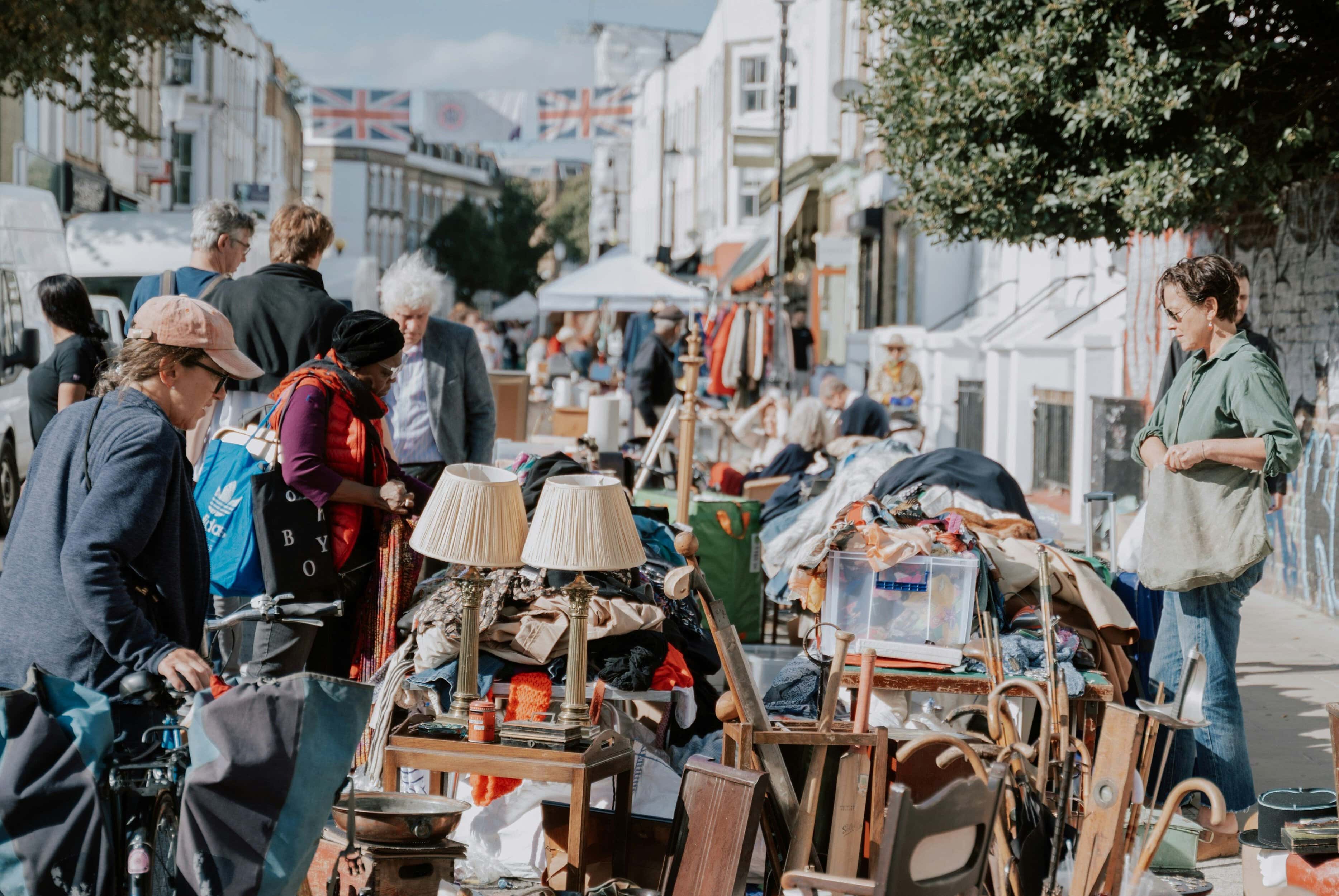
Portobello Road Market – One of London’s most iconic street markets, Portobello Road features throughout the film, including the well-known scene of William walking through the changing seasons as life carries on around him.
Notting Hill is one of London’s most distinctive and sought-after neighbourhoods, offering locals and tourists excellent transport links, beautiful tree-lined streets, colourful houses, independent boutiques, fantastic restaurants and a thriving cultural scene. It provides a wonderful base for exploring the capital and visitors can discover hidden mews, peaceful garden squares, unique shops and some of London’s most characterful streets to make for a fun day out.
Whether you’re visiting for a short stay or an extended trip, we hope this guide helps you experience the very best of Notting Hill, from its iconic landmarks and film locations to its quieter corners and local favourites. With its timeless appeal and incredible variety of homes, it’s easy to see why so many people fall in love with this special neighbourhood.
Subscribe To Our Monthly Mewsletter
