Freehold vs leasehold properties: buy or sell with confidence
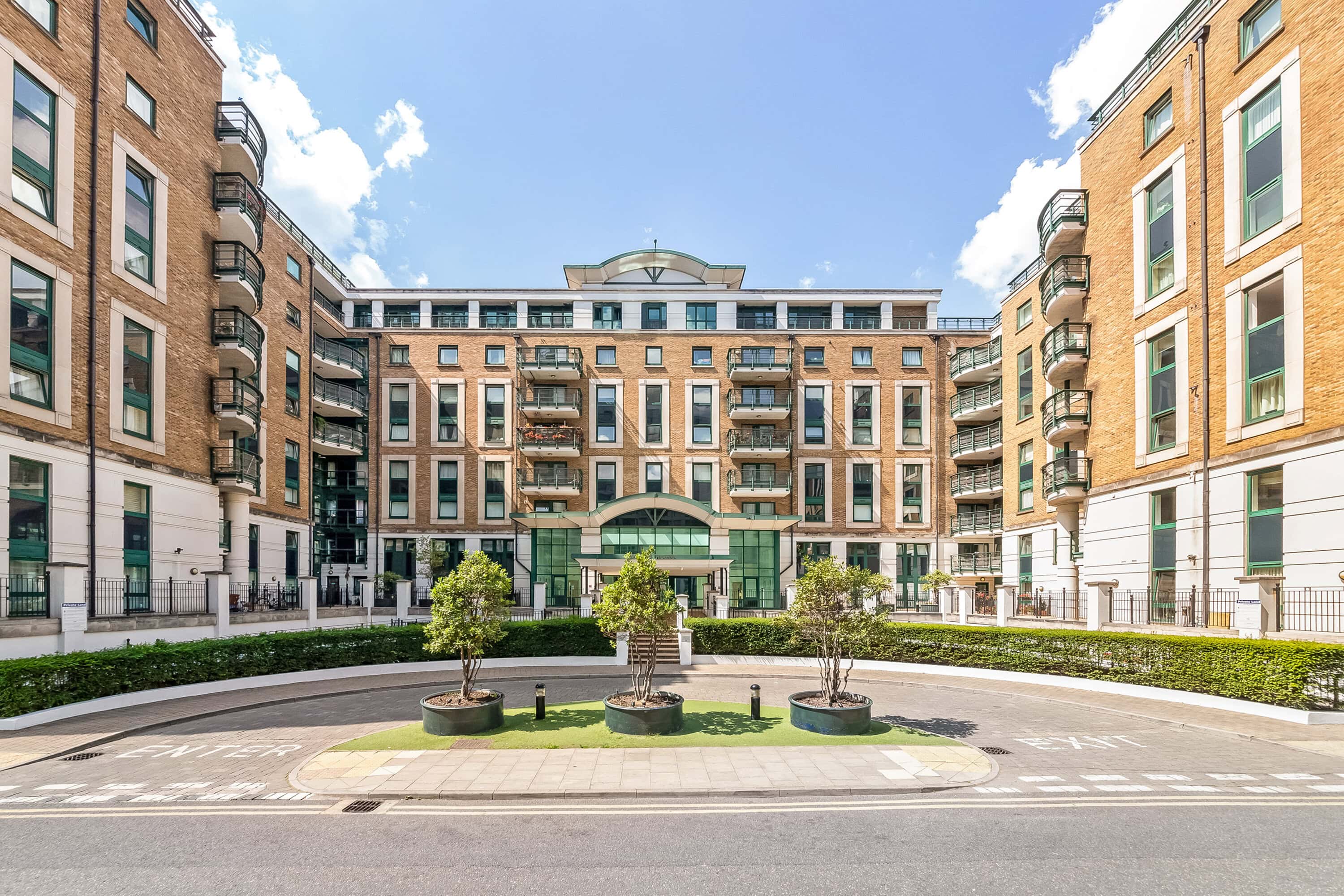
A guide to freehold and leasehold properties
When buying or selling a home in London, one of the first questions you will encounter is whether the property is freehold or leasehold. It may sound like legal jargon, but it’s important to understand the difference as the implications of each can have a significant impact on your finances and your ability to sell now or in the future. We’ve created this guide to help you navigate your property journey.
What is the difference between freehold and leasehold?
A freehold property means you own the building and the land it stands on outright, indefinitely. There is no time limit on your ownership, no landlord above you, and no lease to worry about.
A leasehold property means you own the right to occupy the property for a fixed period of time (the length of the lease) after which ownership technically reverts to the freeholder. In practice, leases are regularly extended, but the terms and costs involved are worth understanding before you buy.
Is leasehold always about flats?
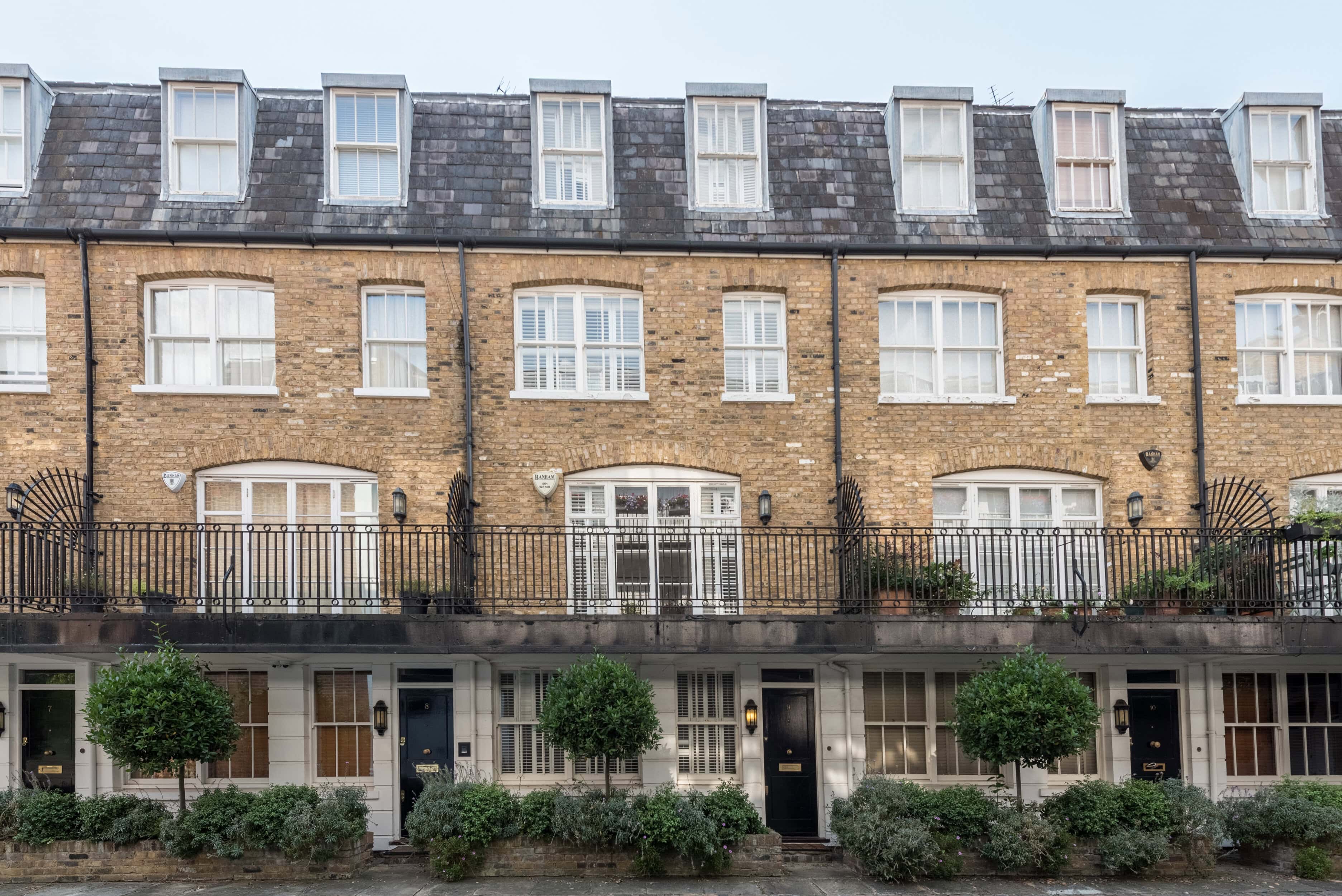
It is a common assumption that leasehold only applies to flats, but that’s not always the case. While the majority of leasehold properties are indeed apartments, where shared buildings and communal areas make a single freeholder a practical arrangement, leasehold houses do exist.

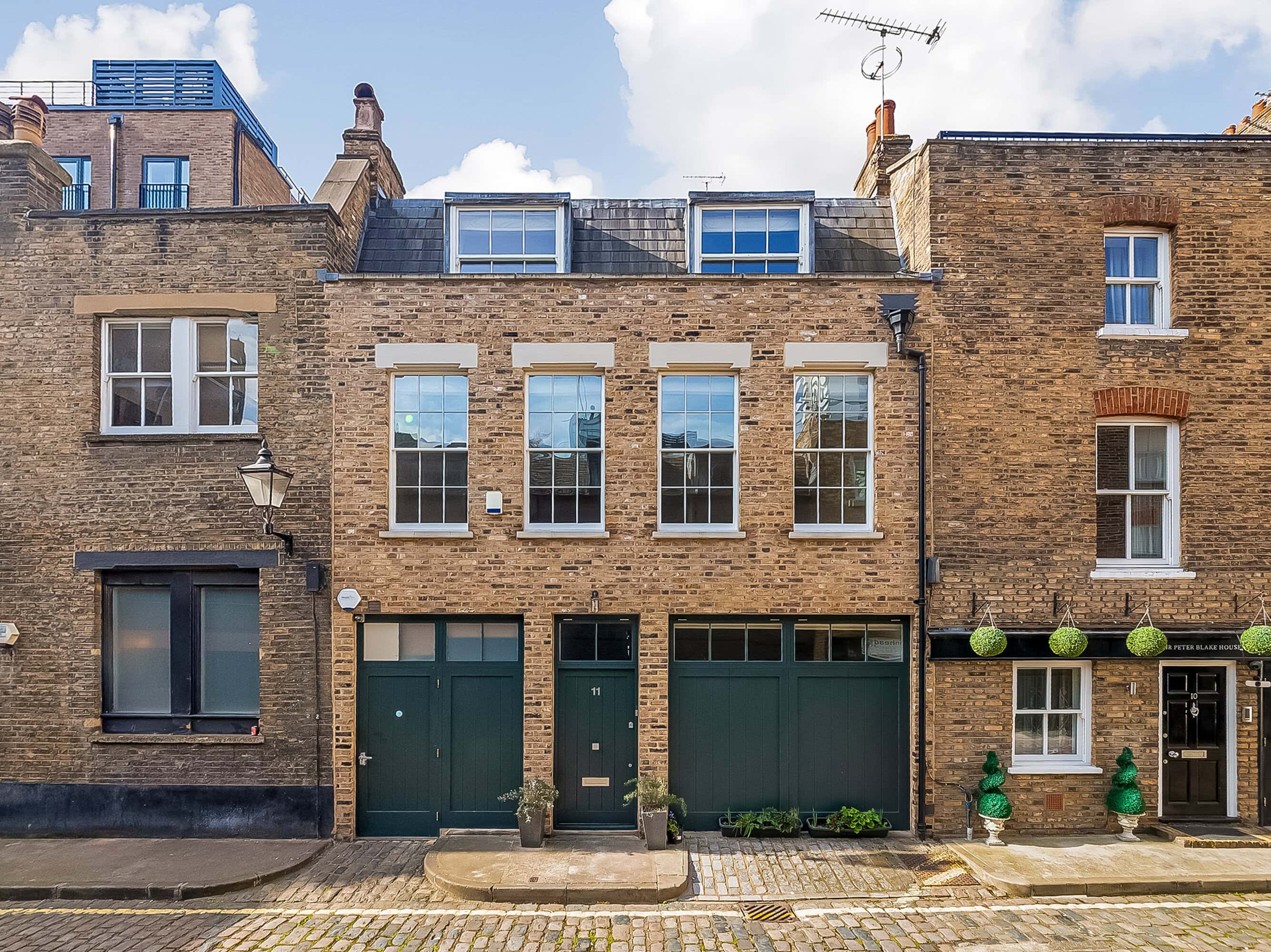
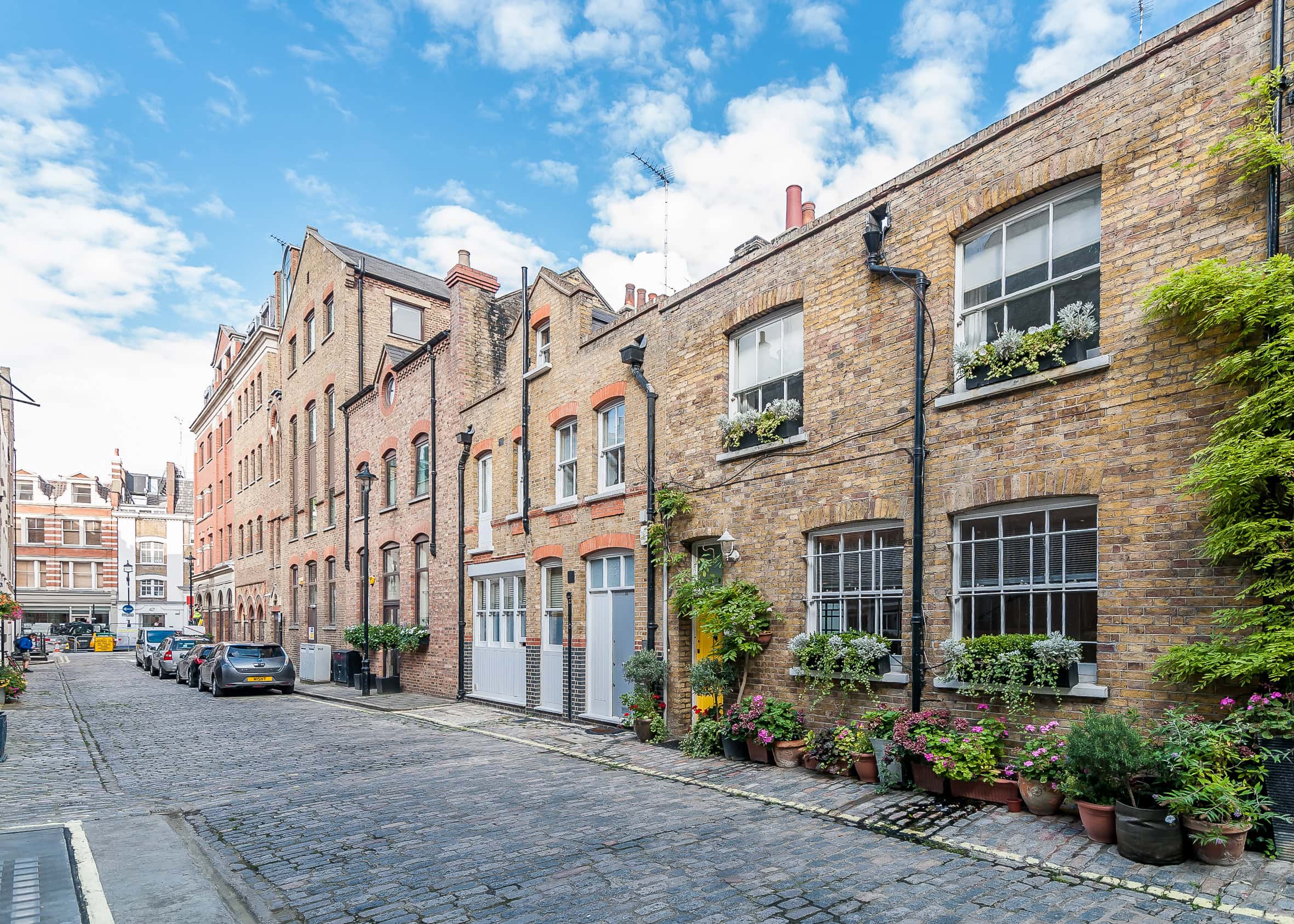
A recent example is Sherlock Mews, W1U, a leasehold mews home that is currently under offer with Lurot Brand. So, if you are in the market for a house, whether that is a mews or otherwise, it’s always worth checking the tenure from the outset.
Where leasehold properties are most commonly found
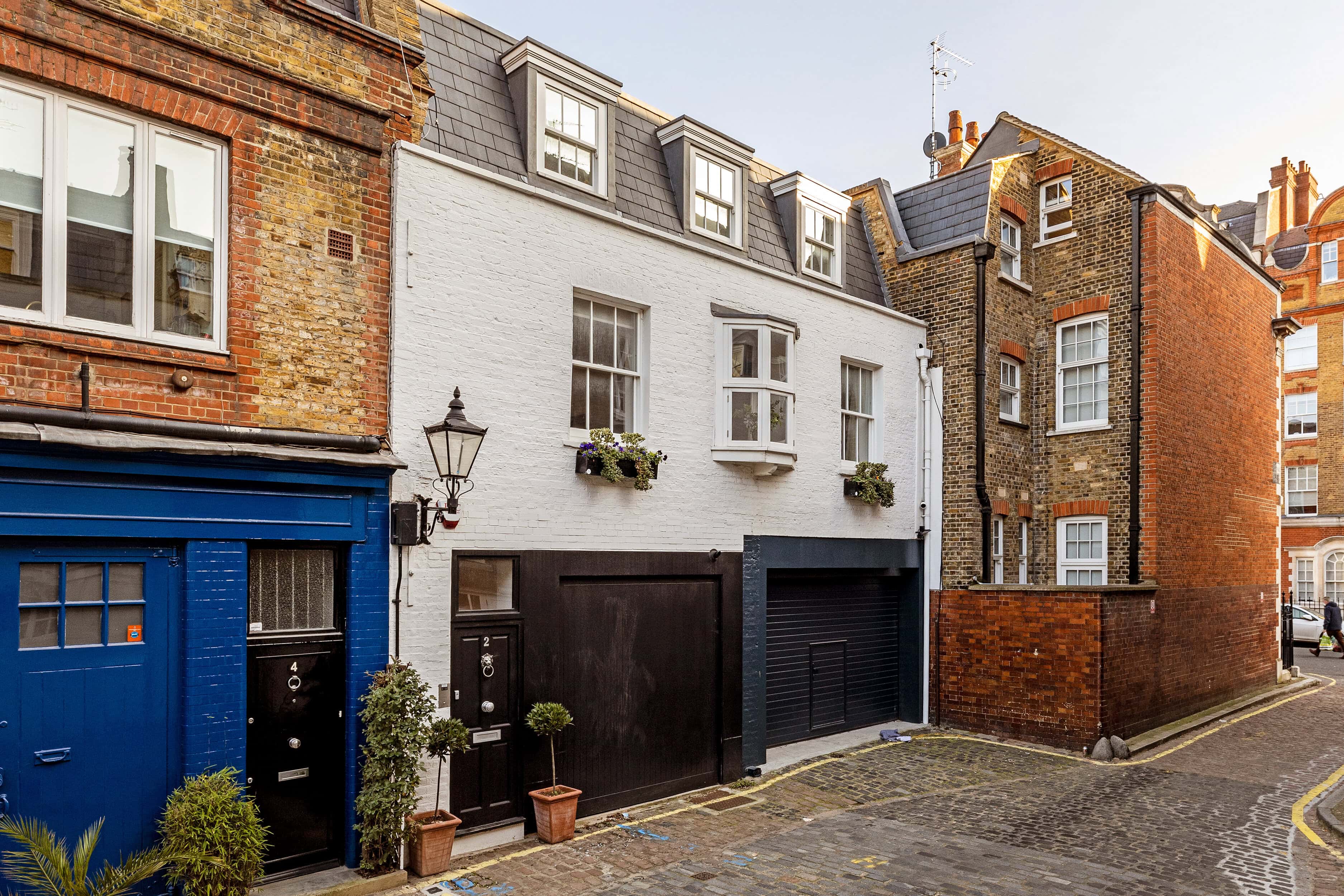
In London, leasehold properties are particularly concentrated in areas governed by the great historic landed estates such as Cadogan, Howard de Walden, Portman, the Crown Estate, Phillimore, Grosvenor, and Mercer, which have shaped the character and ownership structure of vast swathes of prime central London for centuries.
These estates were established in the 17th, 18th and 19th centuries through inheritance, royal grant, and strategic marriage, and their influence on the London property market endures to this day. The Cadogan Estate, for instance, owns much of Chelsea and parts of Knightsbridge. The Howard de Walden Estate is the dominant landowner across Marylebone. The Grosvenor Estate holds significant portions of Mayfair and Belgravia. The Portman Estate covers much of the area around Portman Square and Marylebone High Street.
If you are buying in any of these neighbourhoods, the chances are the property will be leasehold, and the freeholder will be one of these longstanding estates. This is not necessarily a problem, many of London’s most desirable addresses are leasehold, but it does mean the terms of the lease and the relationship with the freeholder matter enormously.

How long are leases, and when should you worry?
There is no universal standard for lease length. Leases are extended at different times by different owners, so you will encounter a wide range. That said, when extensions are granted, they typically add 90 years to the existing unexpired term – a figure that has been the norm for some time, and which we are still seeing processed even as legislation around lease reform evolves.
The critical threshold to understand is 80 years. Once a lease falls below 80 years, it becomes harder and more expensive to extend, because the freeholder becomes entitled to a share of the increase in value, known as ‘marriage value’. This can substantially increase the cost of an extension.
At 50 years or below, the situation becomes more serious: mortgage lenders will typically refuse to lend on the property, meaning you are restricted to cash buyers only. This significantly narrows your market when it comes to resale.
The question of whether a seller should extend the lease before selling or simply reduce the asking price is one we are asked regularly. At present, there are genuinely conflicting opinions on this. The Leasehold and Freehold Reform Act 2024 has changed aspects of the law, but its provisions have not yet been fully implemented. In this transitional period, it may well be worth waiting until the legal landscape has settled before committing to an extension – but this is a decision best made with your solicitor and agent on a case-by-case basis.
Can leasehold cause deals to fall through?
Occasionally, yes. There are several ways leasehold complications can delay or derail a transaction:
Management packs: these are documents produced by the managing agent or freeholder, containing information about service charges, accounts, and insurance. They can sometimes take weeks to arrive, which can lead to the deal falling through.
Licence to alter: if you want to carry out works to a leasehold property, you typically need the freeholder’s permission via a licence to alter. These can be costly and slow, which puts off buyers who have renovation plans.
Lease restrictions: Leases may contain clauses that buyers may find limiting. These can include prohibitions on keeping pets, restrictions on installing wooden flooring, and restrictions or bans on using terraces for barbecues. It’s worth mentioning, however, that some restrictions would apply regardless of whether the property is leasehold or freehold. These can include restrictive covenants, listed building consent requirements, and planning restrictions relating to conservation areas.
Doubling ground rents: this has been well-documented in recent years. Leases that contain clauses where ground rent doubles at regular intervals can make a property difficult to mortgage. This is something buyers, solicitors, and lenders are now very alert to.
Common misconceptions buyers have about leasehold
International buyers, in particular, often find the concept of leasehold difficult to get to grips with since it doesn’t exist in many other countries in the same form. The idea of ‘owning’ a property but not the land beneath it, and for a finite period, can feel counterintuitive.
A common misconception is around head leases. Many leasehold properties sit within a structure where there is a head lease above the individual flat leases. The restrictions in a head lease can be even more wide-ranging than those in the individual lease, and at the outset of a sale, agents will rarely have a copy. It is essential that your solicitor obtains and reviews the head lease before you exchange.
Are there upsides to leasehold?
Absolutely, the reduced maintenance burden is a genuine benefit. The freeholder or management company is responsible for the roof, external fabric, and communal areas. For buyers who travel frequently, live abroad for parts of the year, or simply do not want the hassle of managing a building, this can be quite appealing.
If a property is a pied-à-terre or second home, and you are not based in London full-time, leasehold can make practical sense. You pay your service charge, and the building is looked after on your behalf.
What should you consider before buying a leasehold property?
The most important questions to ask are:
What is the unexpired lease term, and what will it be when you come to resell?
If it is approaching 50 years, you will be limited to cash buyers, which is a significant constraint.
What are the service charges?
High service charges reduce your buyer pool, especially if those charges are tens of thousands of pounds per year.
Are there restrictive clauses in the lease (or the head lease)?
Pet restrictions, alteration restrictions, and lifestyle clauses can affect not just your enjoyment of the property but also its marketability.
Is the ground rent structured in a way that affects lending?
Doubling ground rents, in particular, can render a property difficult to mortgage.
Are you planning to pass the property on?
If you intend to leave it to a family member rather than sell, make sure the lease length will still be workable for the next generation.
What about mortgages?
Leasehold can complicate mortgage applications in a number of ways. A short lease (generally below 70–75 years, though lenders vary) will cause many banks to decline the application outright. Leases with doubling ground rent clauses are also a red flag for lenders and can make financing impossible without first renegotiating the terms.
There is also the question of cladding. Properties in buildings with unresolved cladding or fire safety issues may require an ESW1 form (External Wall System assessment) before a lender will proceed. This is a separate but related issue that has affected a significant number of leasehold flat owners in recent years.

The upsides freehold ownership
Freehold properties are straightforward in many respects:
– You own the property and the land outright.
– There is no service charge and no ground rent. In a private mews there may be a mews charge, but this is typically nominal compared to the service charges found on leasehold developments.
– There are less restrictions. If you want to renovate, extend, or reconfigure, you need the relevant council approvals, not a freeholder’s permission. In some cases, however, a restrictive covenant tied to the title may require a licence from the original estate or landowner (e.g., the Church Commissioners) even though the property is freehold. If the property is listed or sits within a conservation area, listed building consent or conservation area consent may also be required.
– Freehold ownership means full control over your property – no managing agent to negotiate with, no service charge disputes, just direct responsibility for maintenance and repairs.
In summary
Both freehold and leasehold properties have their place in the London market, and some of the city’s finest homes are leasehold. But the details do matter. Lease length, ground rent terms, service charges, and lease restrictions are not small print, they all affect the value, mortgageability, and resaleability of a property.
If you are considering a leasehold purchase, take the time to understand the full picture before you proceed. And if you are a seller with a leasehold property, speak to your agent early about how the lease terms might affect your sale and what makes sense to do about them before you come to market.
Thinking of buying or selling a mews property? Contact sales@lurotbrand.co.uk to speak to a member of our expert team.
Subscribe To Our Monthly Mewsletter
