How to give your Mews house a refresh in the New Year
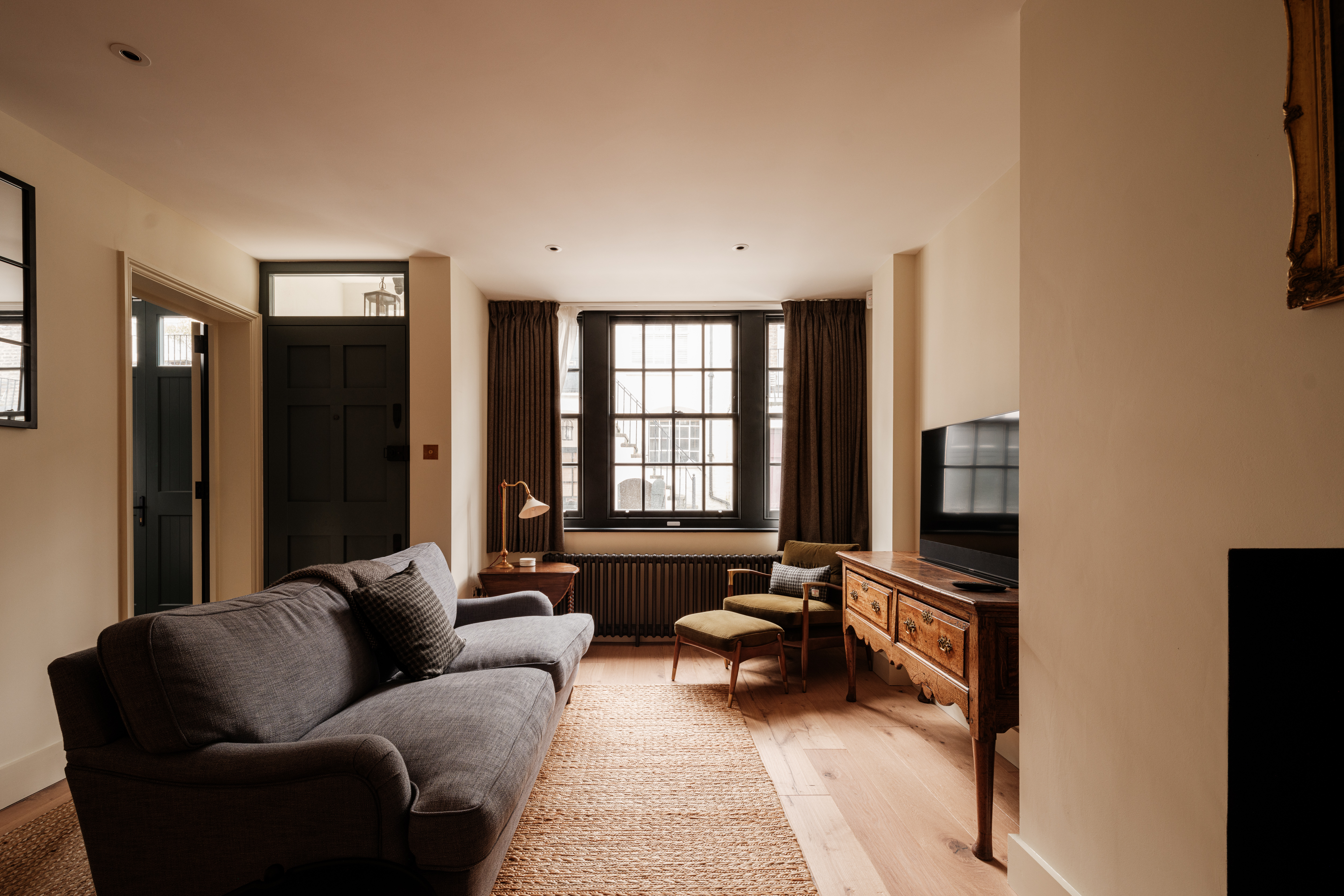
Whether you’re in the process of buying a mews house, or thinking that come the New Year you want to embark on a bit of a refresh to your home’s interiors, then read on. We’ve collected some top design tips and advice on how to maximise your mews interiors and add even more kerb appeal in 2026.
Making light of your interior space
Regardless of whether you live in a mews house or not, it’s a given that maximising the amount of natural light in your property is both important and beneficial for boosting mood and well-being. There are structural changes in addition to decorating styles, that will work to increase the natural light levels inside a mews home. These methods also have the potential to create a feeling of enhanced space – most welcome when renovating a traditional mews property, that can feel tight on open space and lacking flow between rooms.
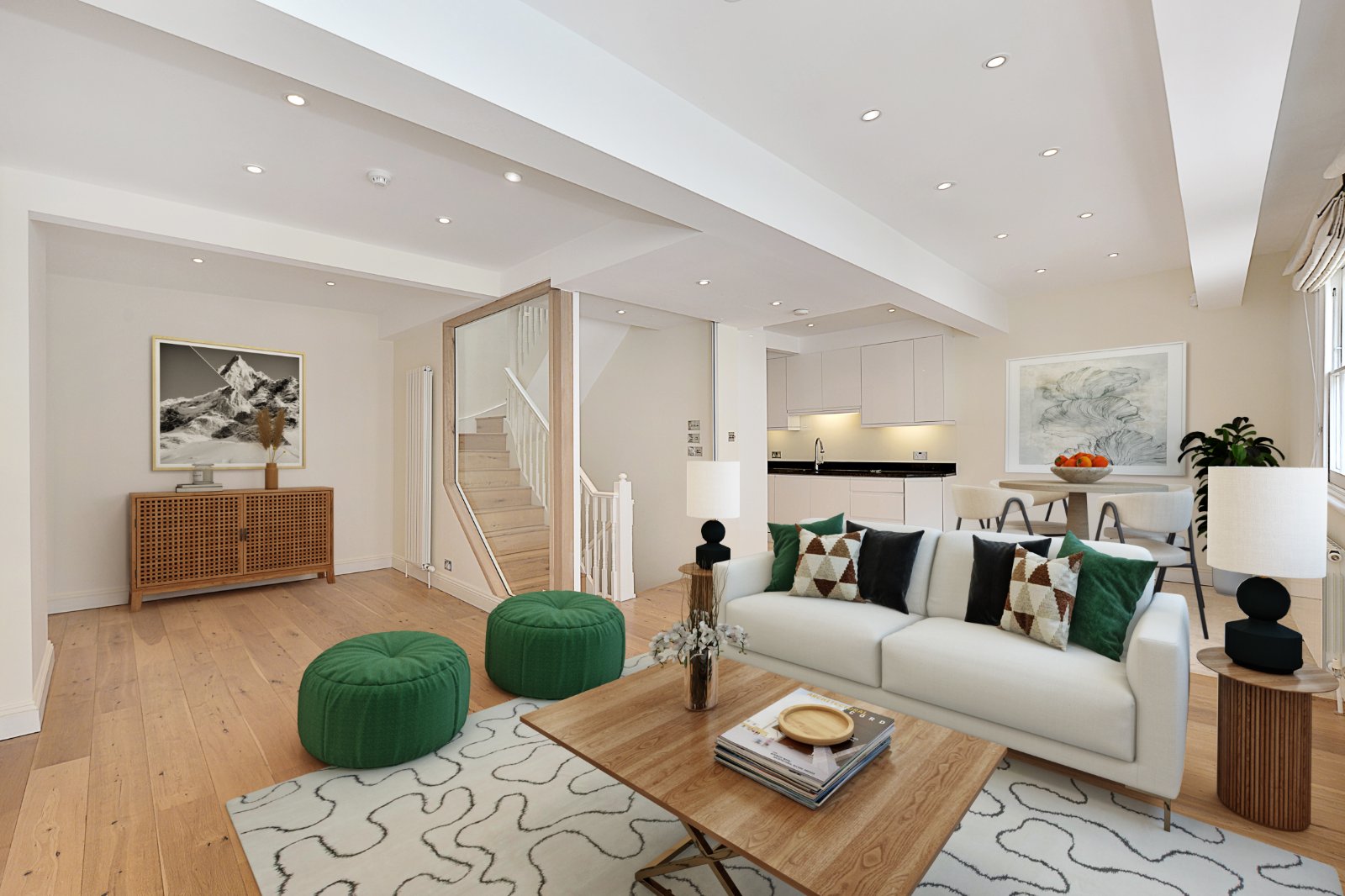
Traditionally, many mews reflect their equine heritage with large garage doors at street level. Owners, who are happy to forgo their garage space, often see this as a useful way of introducing more natural light by removing the doors and replacing them with ground-floor windows.
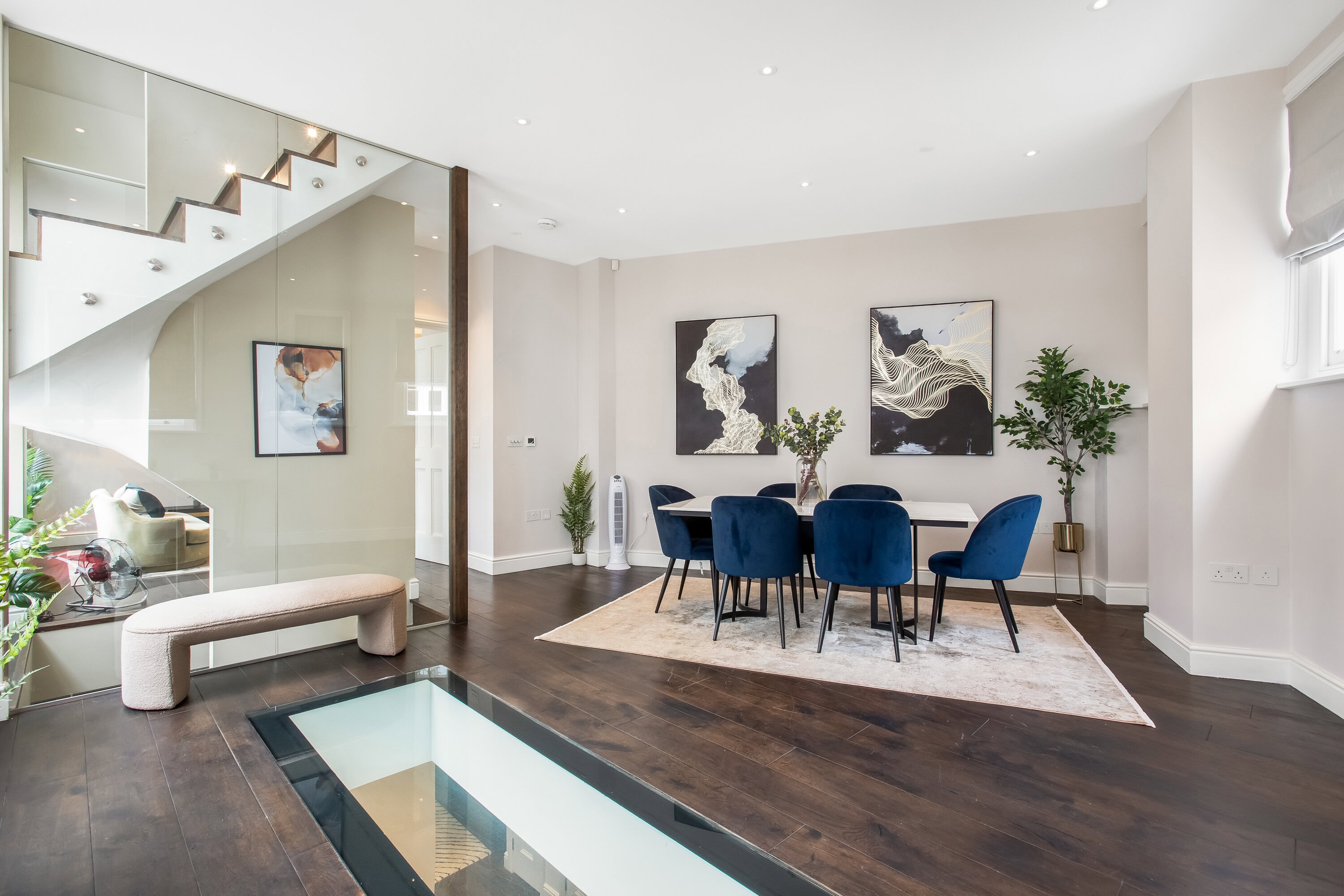
Glass flooring is another inventive method for boosting natural light levels, depending on the amount of available floor space. This can encourage some of the light to rise upstairs or even down into the basement.
Practical things you need to consider
For owners planning a major renovation of their mews house rather than a cosmetic makeover, there are practical things to be aware of. Many mews are located in conservation areas – this is part of their charm and desirability, but this also means it’s important to check with your local authority about planning permission if you are making any external changes – even down to fitting an air-conditioning unit. Party Wall agreements might also be necessary when planning major structural changes.
Digging down to create a basement is a popular choice amongst homeowners across Prime Central London; a way of significantly increasing the space in your home by up to 50% and adding considerable value. However, it is imperative that you seek professional advice and approach with caution, ensuring you choose experienced builders with a proven track record in excavating a basement once all the necessary consents are in place. Read more in our article on basement building in central London.
Many mews are part of one of some of London’s most prestigious private estates – Grosvenor Estate, Cadogan Estate, Portman Estate, Hyde Park Estate. According to the terms set out in your covenant, you will often be required to gain obtain a licence for alterations or the freeholder’s consent.
Another factor when undertaking building works is the amount of disruption, noise and potential inconvenience it could cause for your street and neighbours. Bearing in mind that historically mews were never built for large motorised vehicles, their narrow, tucked away, cobbled roads do not lend themselves to lorries laden with ballast and timber. Skips take up room and invariably will affect neighbours, parking and access.
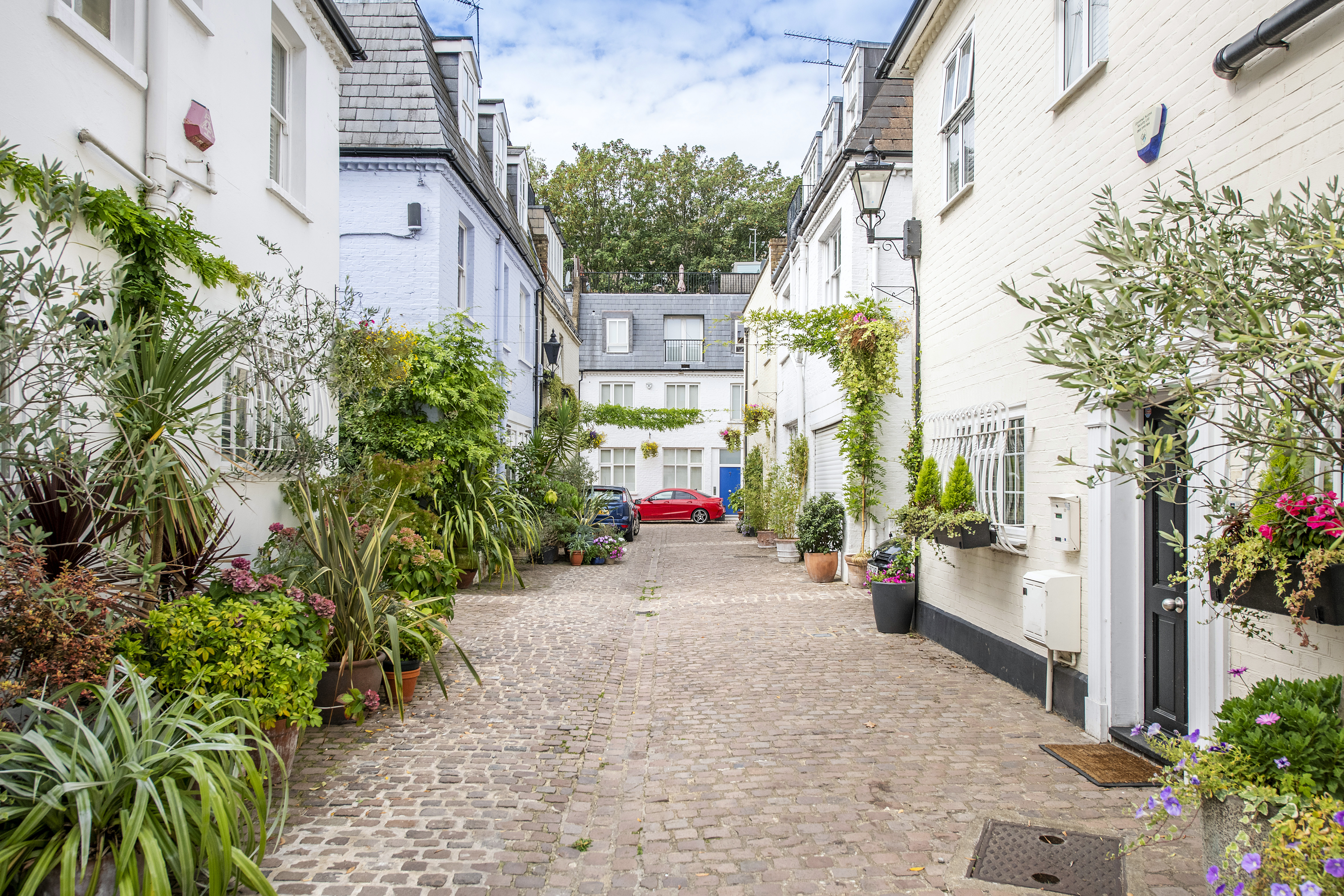
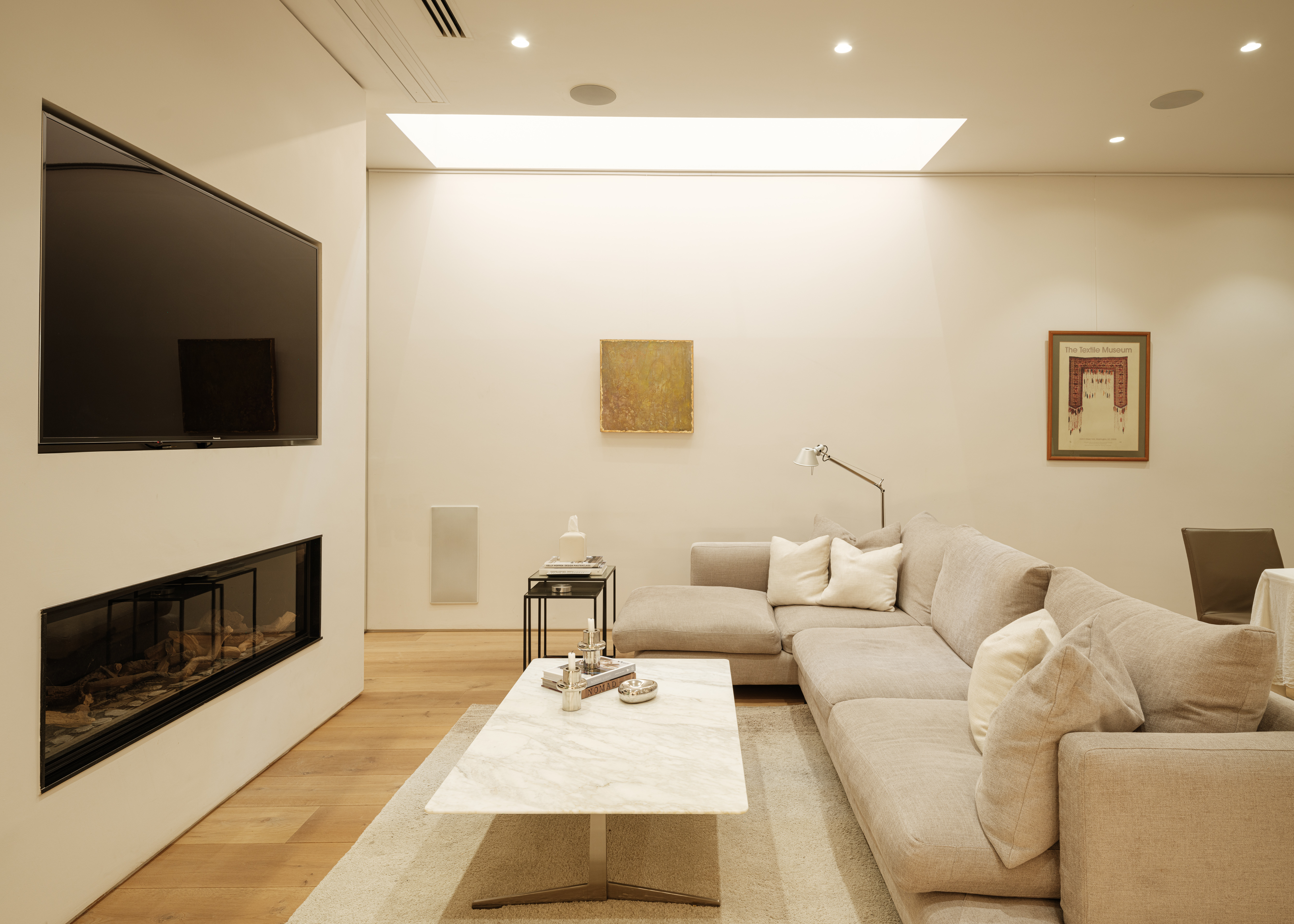
You may consider raising the existing roofs, installing skylights or an atrium, and incorporating bespoke joinery with efficient windows to allow far more natural light to come through and dramatically improve the typically dark interiors.
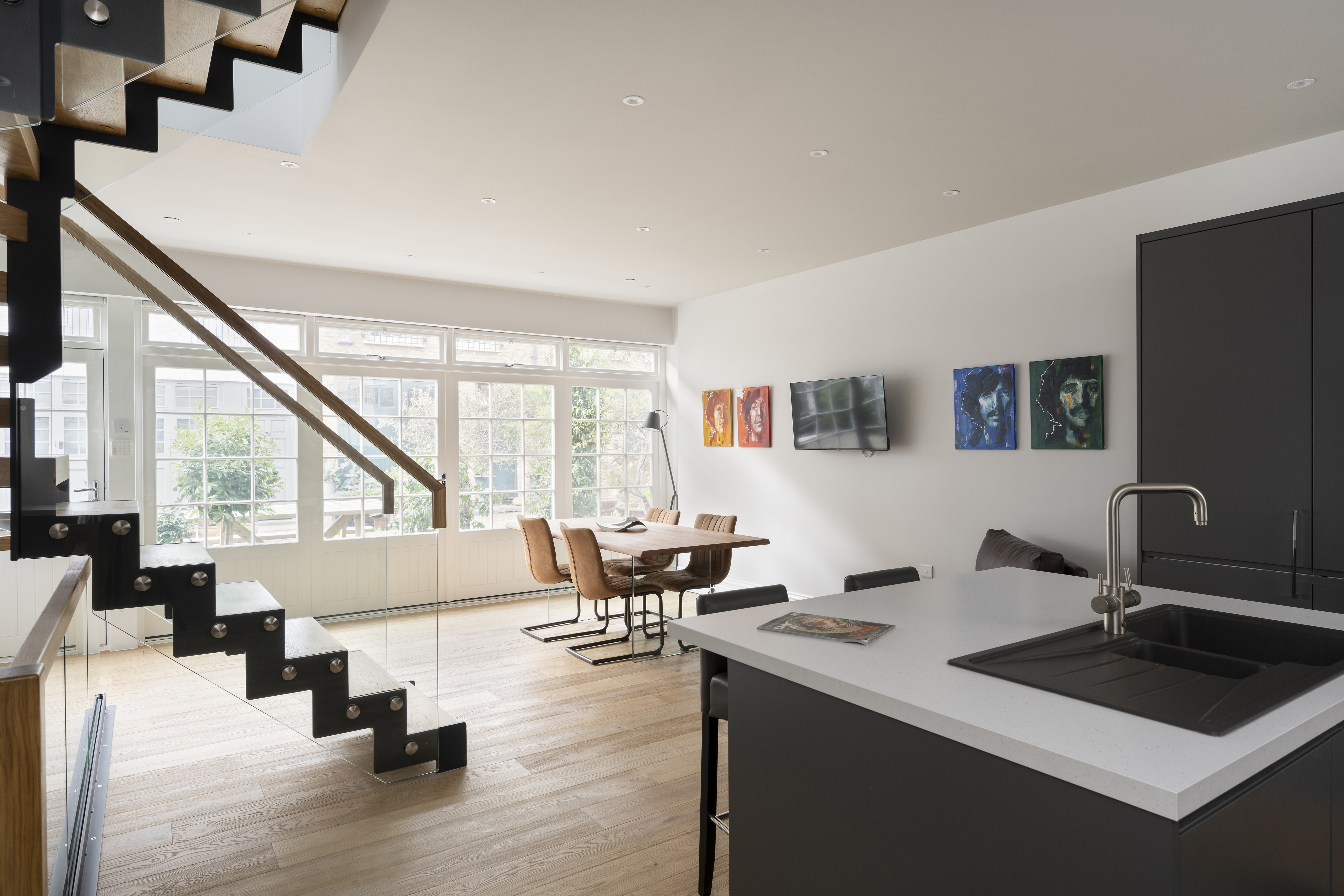
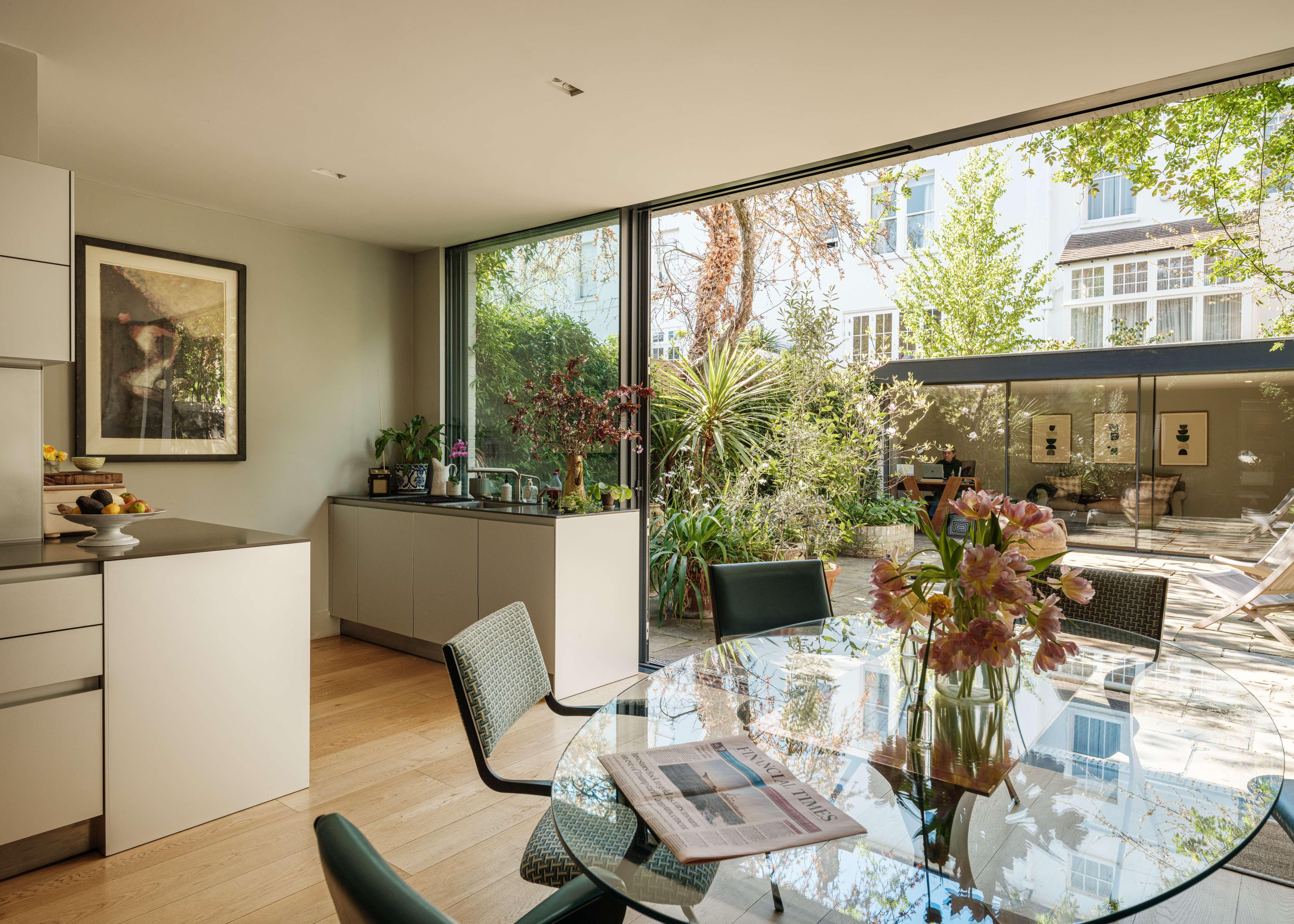
When it comes to the configuration of living space, moving (and removing) internal walls will open-up cramped layouts to create more sociable open-plan kitchen/reception areas. This also allows for creating distinct zones for work/relaxing/entertaining, often by reconfiguring layouts for flow and adding modern touches like sleek kitchens and stylish bathrooms. Moving bathrooms can work wonders to rework an existing layout, improving the feeling of space and making accommodation more practical. Trying to incorporate clean lines should be high on your list of priorities.
Adding a ‘wow’ factor to your mews
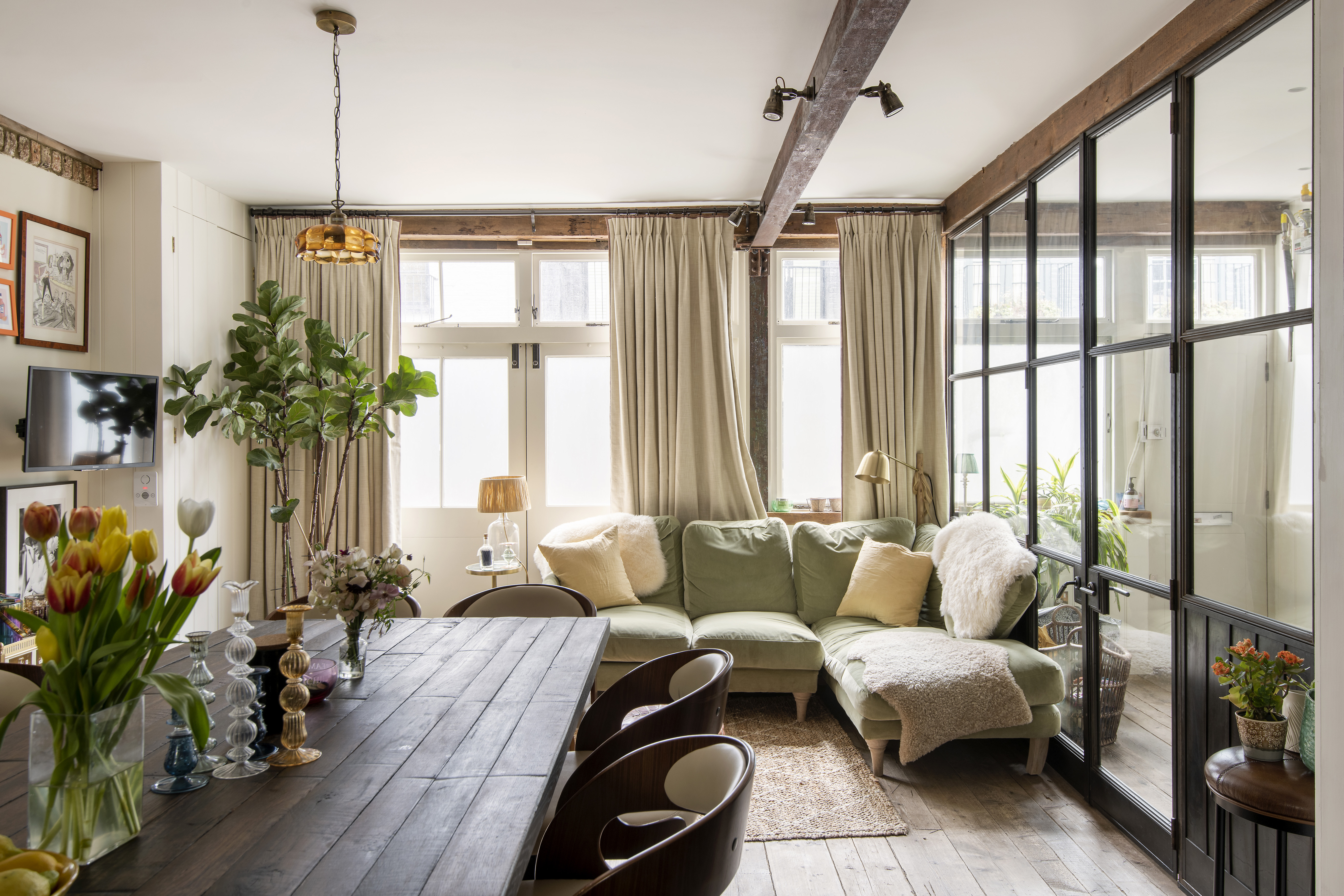
To add the wow factor, introduce your personal sense of style and curate your interiors choosing artwork, textiles, striking rugs, soft furnishings with interesting patterns textures and antique pieces. Do incorporate quirky vintage finds and accessorise, taking inspiration from nature, your travels, your passions; trends you spot and admire in other people’s homes, boutique hotels or cool stores. Styling is everything; declutter and arrange shelves with colour-coordinated or decorative books, glassware, ceramics and objet d‘art. Fresh flowers and arrangements reflecting the different seasons and displaying fine linens and throws all add depth, personality and comfort to a mews home.
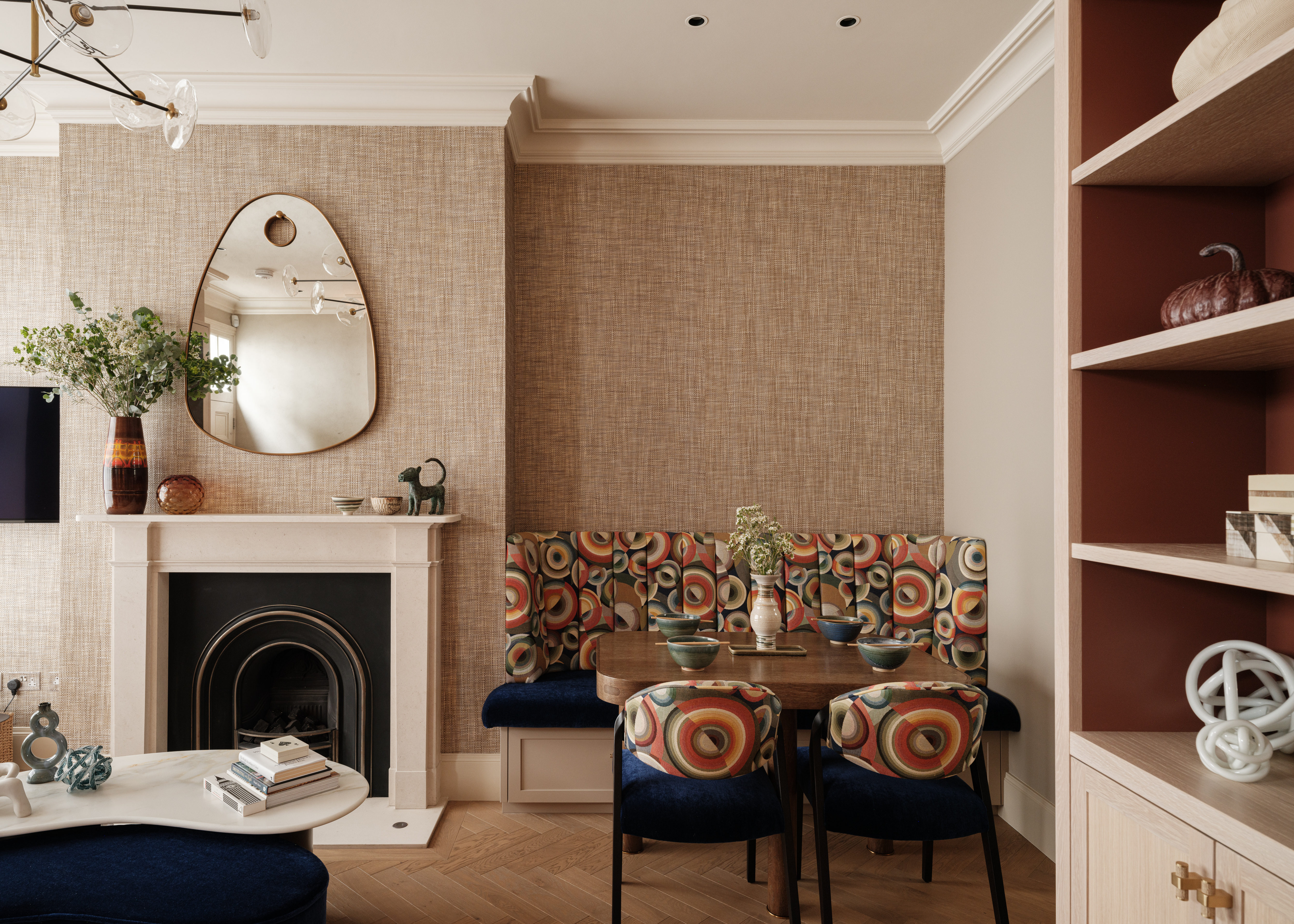
Interiors are all about balance. Using a consistent colour scheme throughout the communal spaces will bring about a sense of cohesion and make the space feel bigger. However, adopting a light, neutral, calm palette using whites, creams, and soft greys with black and oak finishes needn’t end up looking somewhat bland or hotel-like, providing you add splashes of colour, accent shades and add interest, dimension and detail through styling.
Extra special luxury touches
No one fortunate enough to own a mews house is likely to skimp on high-quality finishes; after all these are homes are perfect for showcasing beautiful materials and workmanship. It’s totally worth investing in bespoke oak and walnut joinery, sourcing unique marble and statement tiles. You might consider commissioning a blacksmith to design wrought iron work to replicate original features that may have been there in the 19th Century.
Contemporary convenience
The beauty of a mews is that whilst the exterior façade can present very much as it might have done hundreds of years before, behind the front door who knows what modern twists might be revealed. Many of the mews houses we deal with have undergone a total transformation, for example by fitting sleek kitchens incorporating built-in appliances with state-of-the-art technology, from stylish extractors to wine chillers or cellars, and even concealed coffee stations. Comprehensive soundproofing, climate control systems, underfloor heating and privacy blinds are just some of the modern technologies that can enhance everyday living in a mews.

Get clever by design
The ‘less is more’ approach definitely lends itself to the interior designed space in a mews house. Some homeowners might want all of their modern conveniences but cleverly concealed. This is where an architect can really spark new ideas – advising on how to accommodate hidden amenities such as a laundry room, a home office by day or a cosy snug by night, using strategic clever joinery to divide and separate space.
Leave the lights on
In recent years, we’ve all come to appreciate what a difference strategic well-considered lighting can add to a room. Lighting design and designers now offer a wealth of stylish lighting that will accentuate spaces, illuminate features and change the ambience with the flick of a switch, or in many cases a finger tap on your phone or iPad. Lights come in all shapes, sizes and forms – even battery operated if you want to introduce light and interest without a socket. Perhaps you have a piece of artwork, a collection of ceramics or a sculpture that could be showcased using specially-placed lighting.
Interior and style trends for 2026
Colour palettes
Predictions from the interior design world say we’re likely to see a warmer neutral palette in 2026. Imagine comforting natural tones – shades of taupe, cream and honey-glazed woodier shades. The sense of connecting with the outdoors and nature will see the introduction of earthier tones in interiors from mossy greens, intense olives to terracotta and sandy colours. Intense, striking hits of colour in the form of burgundy – the fashion favourite in 2025, plum and potentially indulgent buttery gold accents will be appearing in 2026. Colour drenching to evoke a feeling of integrated wellness will overtake single accent walls.
For 2026, Pantone chose Cloud Dancer (PANTONE 11-4201), a soft, airy off-white expressing calm, clarity and simplicity to act as a fresh, blank canvas for creativity and focus. The meaning behind this colour is that it represents a desire for peace and a fresh start. In partnership with this neutral anchor, Spring/Summer 2026 reports we will be opting for highlight vivid, expressive colours like strong Alexandrite teal, Muskmelon orange, and serene Marina blue, to balance maximalist joy with minimalist tranquility allowing for self-expression.
All about the touch and feel
Texture continues to be central to interior design with an emphasis on using natural materials – fluted wood, plaster, rattan, stone finishes and the use of tweed and hessian wall coverings. Soft furnishings will enhance the feeling of layers of comfort and depth of interest – picture natural linens, velvet for richness and wools for softness and warmth.
Furniture shapes are taking on a soft curvy look making everything comfortable and useable with a continued emphasis on organic handmade pieces, artisan collections and personalised details such as monograms to make a home truly belong.

Make your mews a sanctuary
In 2026, the attention to wellness is set to continue. Homes and their interior design need to offer a ‘private sanctuary’ of calm, where residents feel rested and relaxed. This is where the mews wins hands down. They occupy the best locations in the most tranquil, quiet backwaters, far enough away from the bustle and noise of central London’s streets, yet within easy walking distance of every amenity.
First impressions
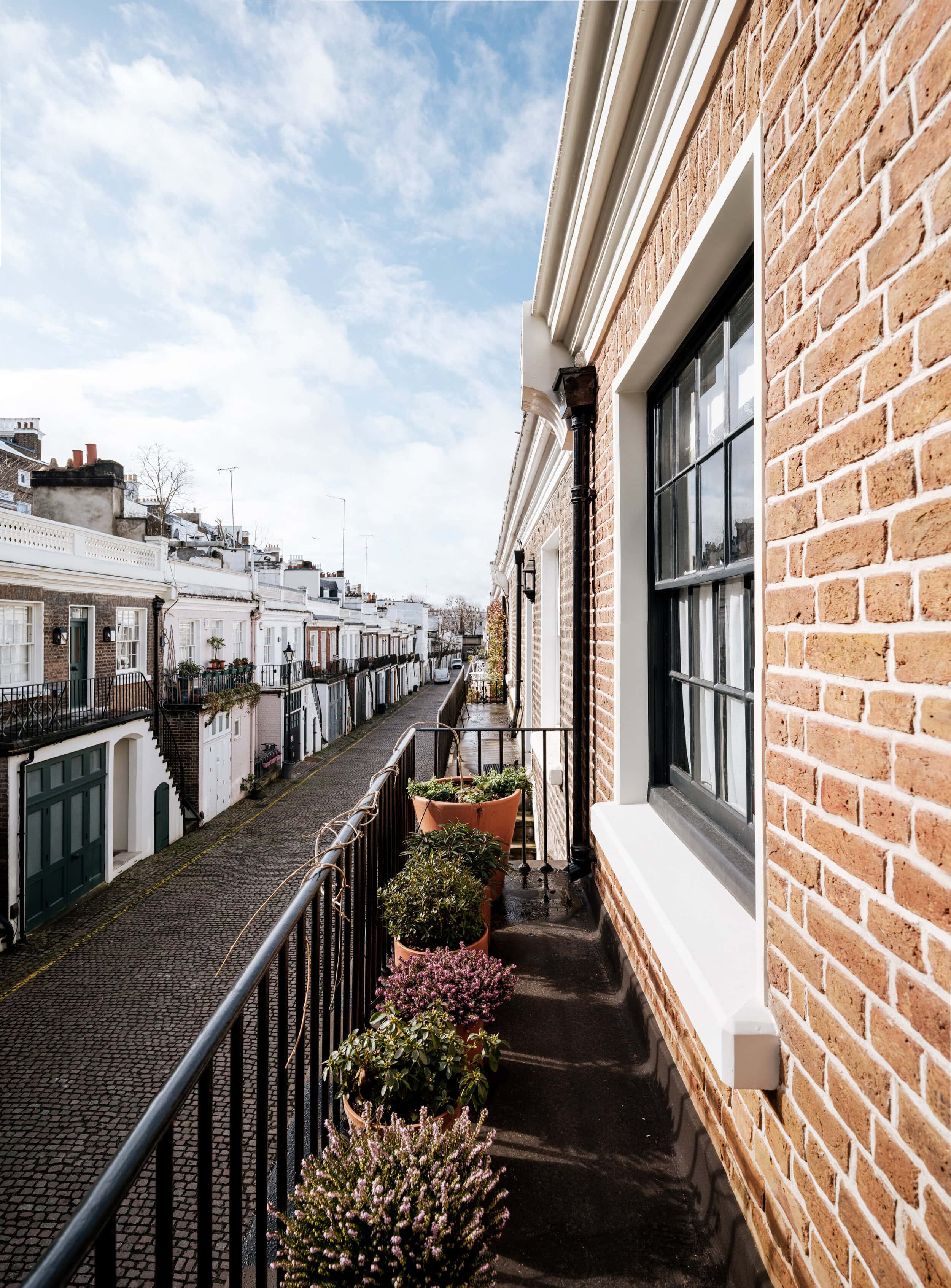
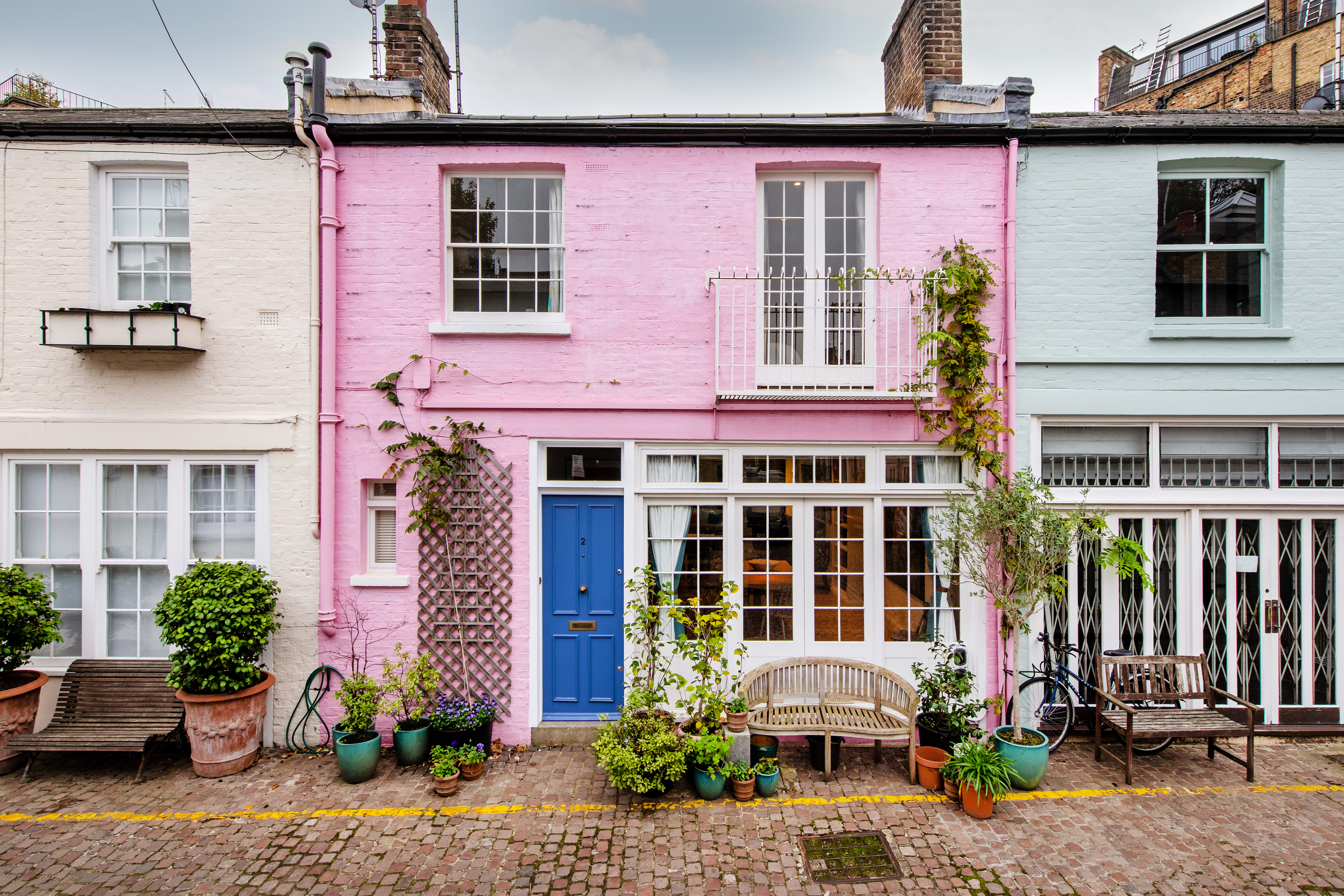
Mews houses have a head start when it comes to creating good first impressions. Residents seem to cherish making their front entrances and entire streets look as lush, colourful and interesting as they possibly can throughout the year. You only need to think about the films like ‘Love Actually’ and ‘Notting Hill’, that have featured pretty painted mews streets such as St Luke’s Mews in W11.
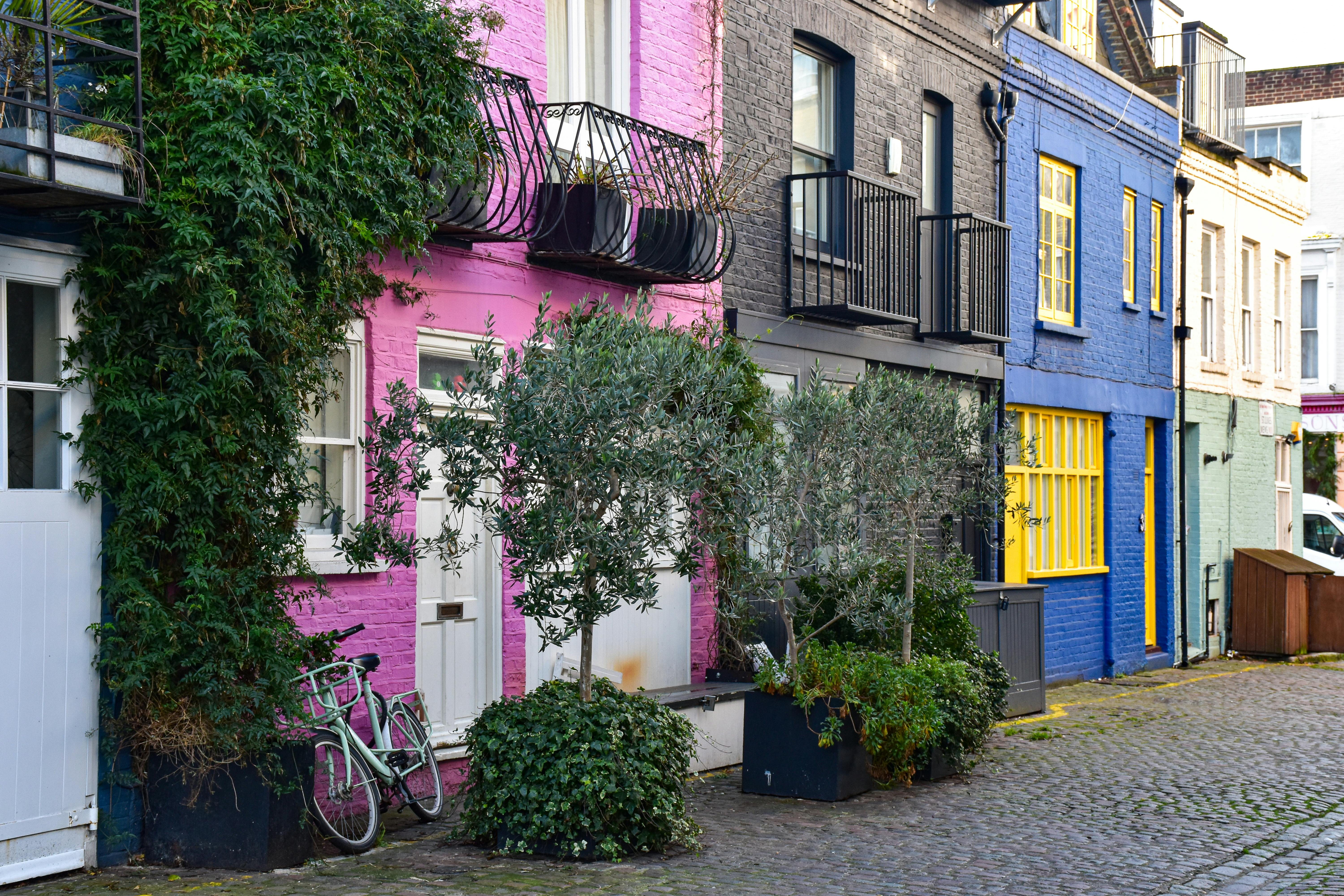
Our annual Mews in Bloom competition is proof that mews property owners and residents love their outside space as much as their inside space. Enthusiastic neighbours gather together, some installing tables and benches outside, and plan how to cultivate their pots, planters and shared frontages to display magnificent flowers, ornamental shrubs and trees. If you take a stroll along many a cobbled mews whether it be in Kensington, Belgravia, Hyde Park or Paddington, you will catch a glimpse of a well-tended window box, cascading wisteria over balconies, trailing creepers over stone arches, and an abundance of gorgeous blooming tubs from one end of the mews to the other.
Mews houses have come a long way since their humble beginnings. Owners now combine their own personal vision and lifestyle, seeking out the expertise of architects and interior designers to make their mews homes perfect for their own version of modern life. The footprint of a mews house may not be on a grand scale, but investing in clever design will not only add value, it will elevate the everyday living in one of these historic London homes.
