A fascinating look into the Royal Mews, London and Trooping the Colour 2026
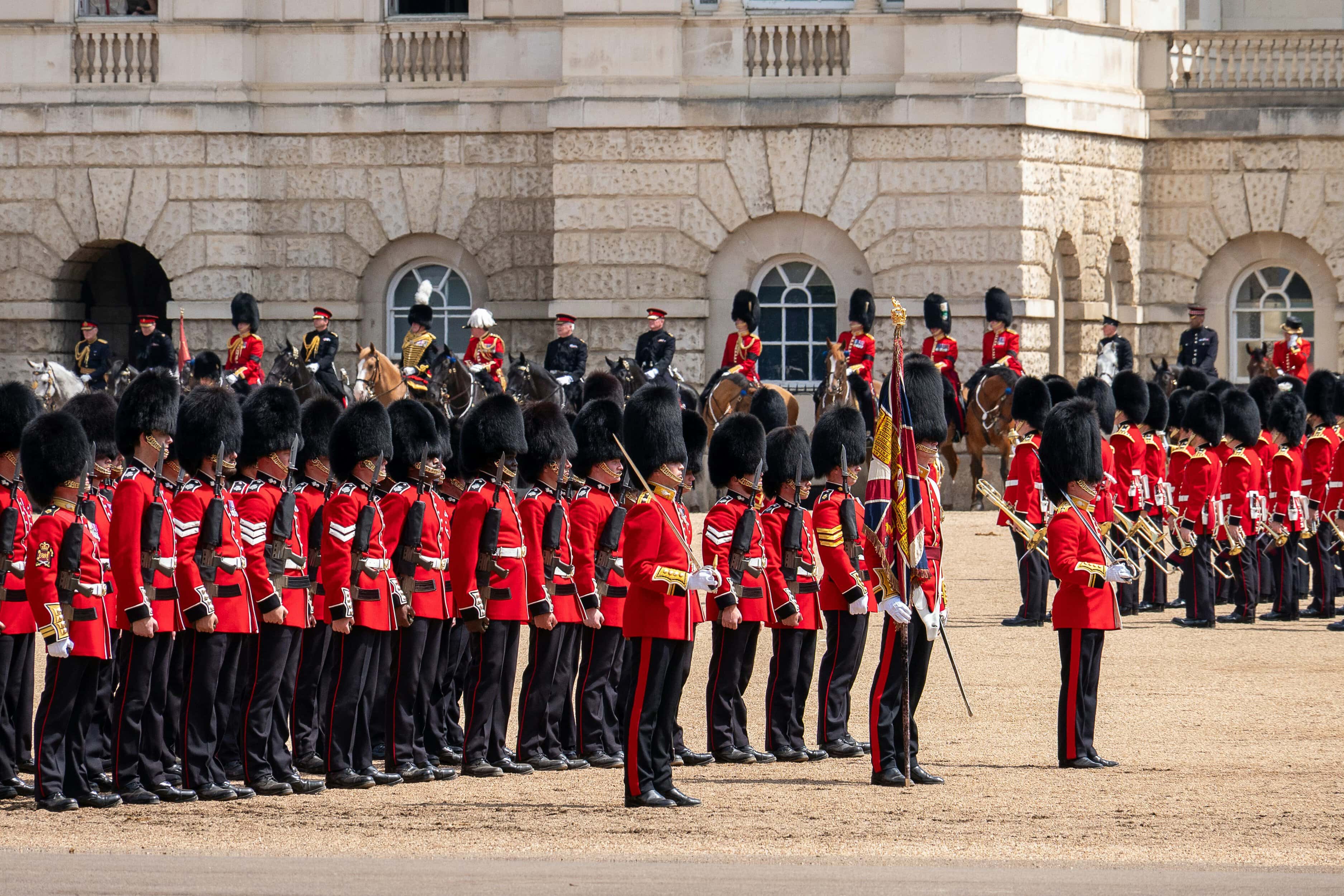
As Trooping the Colour 2026 once again brought colour, precision and ceremony to the heart of London, attention naturally returned to one of the most iconic moments in the British calendar and interest surrounded the Royal Mews. Whether watched along The Mall or followed on screen, it remains a striking reminder of how tradition continues to shape the modern capital.
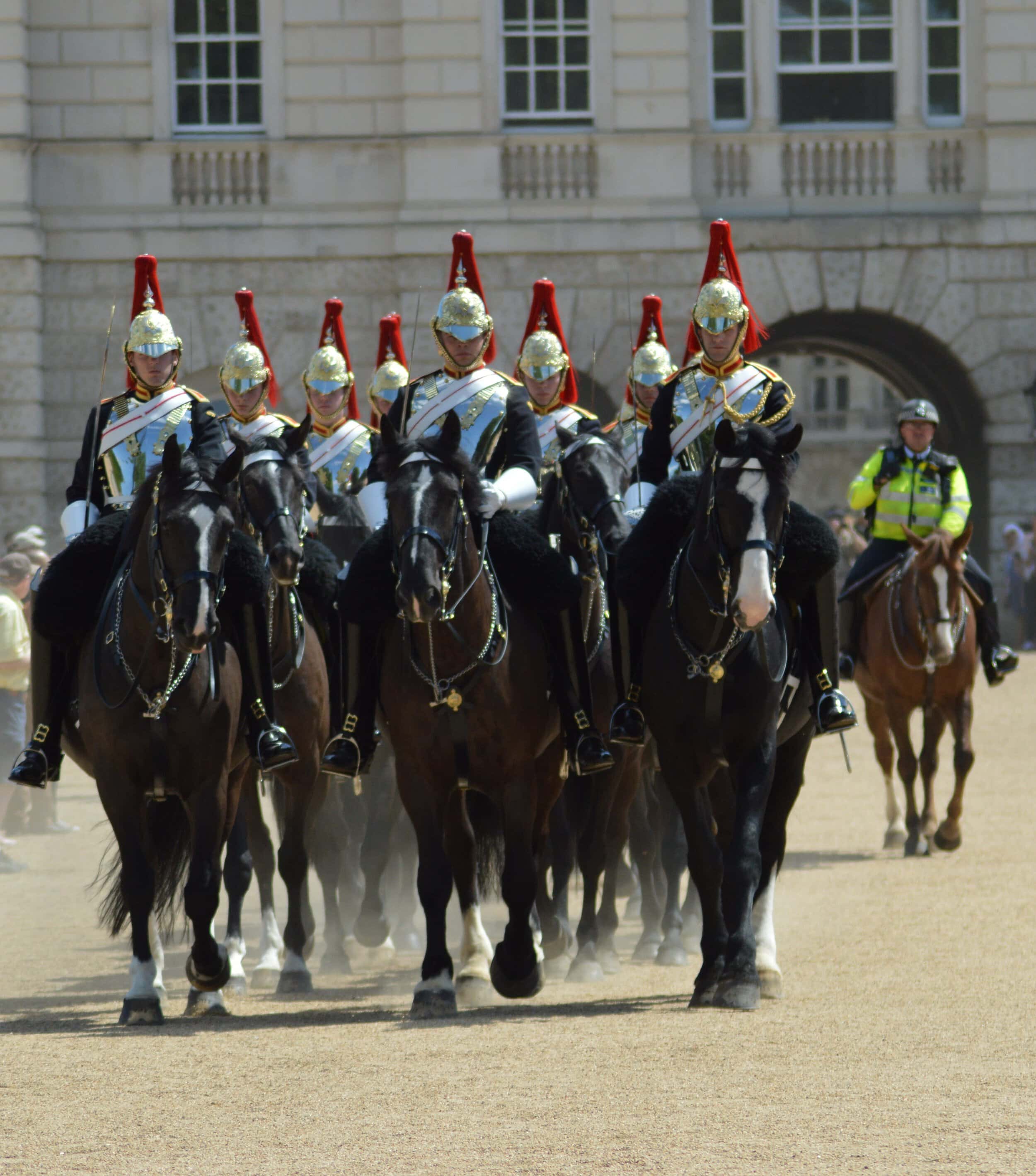
Trooping the Colour is the official celebration of the Sovereign’s birthday. It is a ceremonial military parade performed by regiments of the British Army’s Household Division, featuring hundreds of soldiers, horses and musicians. The event dates back to the 18th century and is built around the ‘trooping’ or displaying of a regiment’s flag – its ‘colour’ – so that soldiers could recognise it in battle. Today, it has evolved into a major public spectacle combining military precision, royal pageantry and national celebration. This year, 1000 soldiers, 200 horses and 300 musicians were on parade to mark the official birthday of The King, Trooping the Colour.
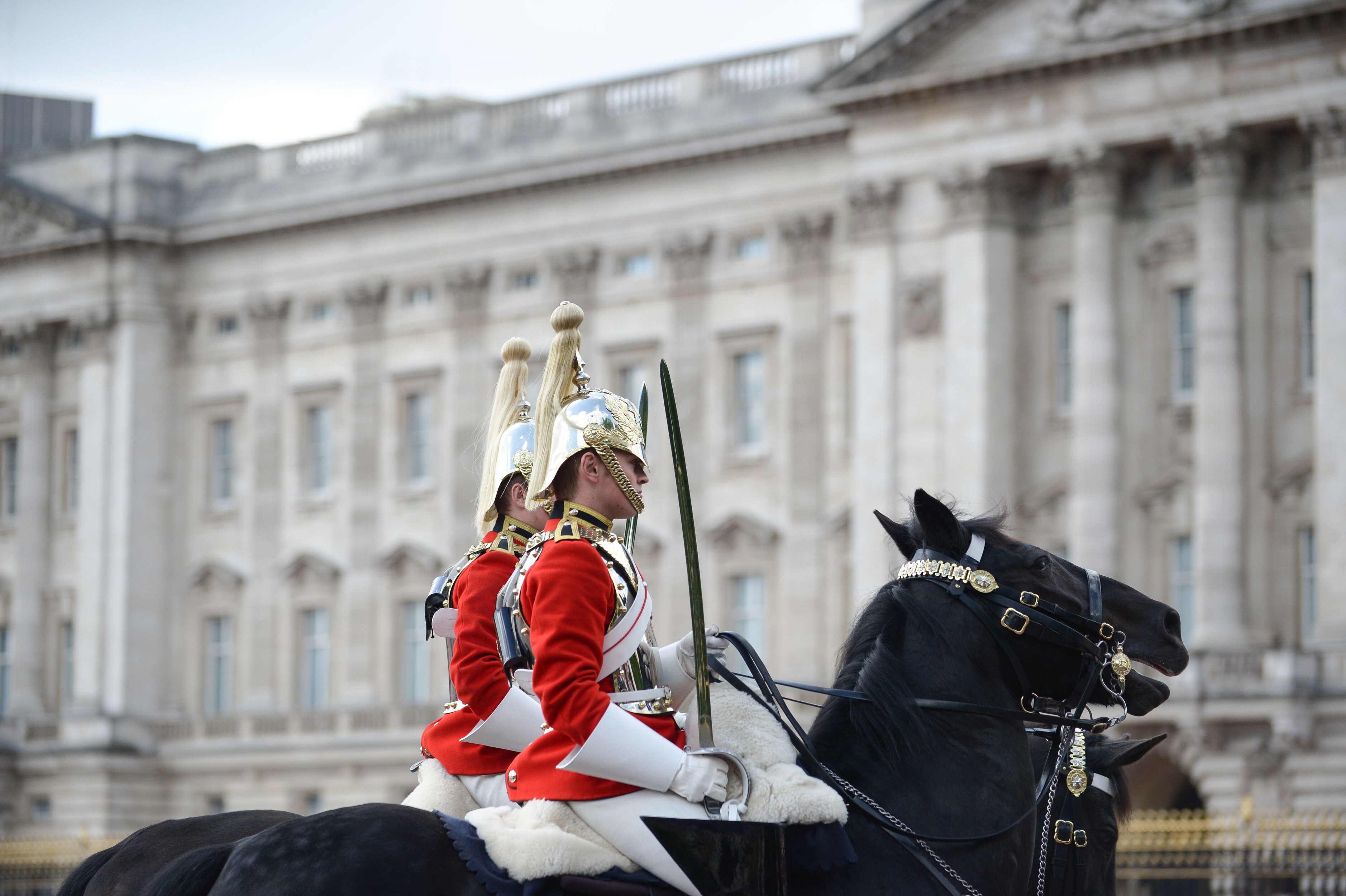
Amid the grandeur of the parade and the global attention it attracts, there are quieter institutions working behind the scenes – none more important than the Royal Mews at Buckingham Palace. It is a place that rarely dominates headlines, yet it plays a vital role in enabling some of the most recognisable royal ceremonies in the world.
What is the Royal Mews, London?
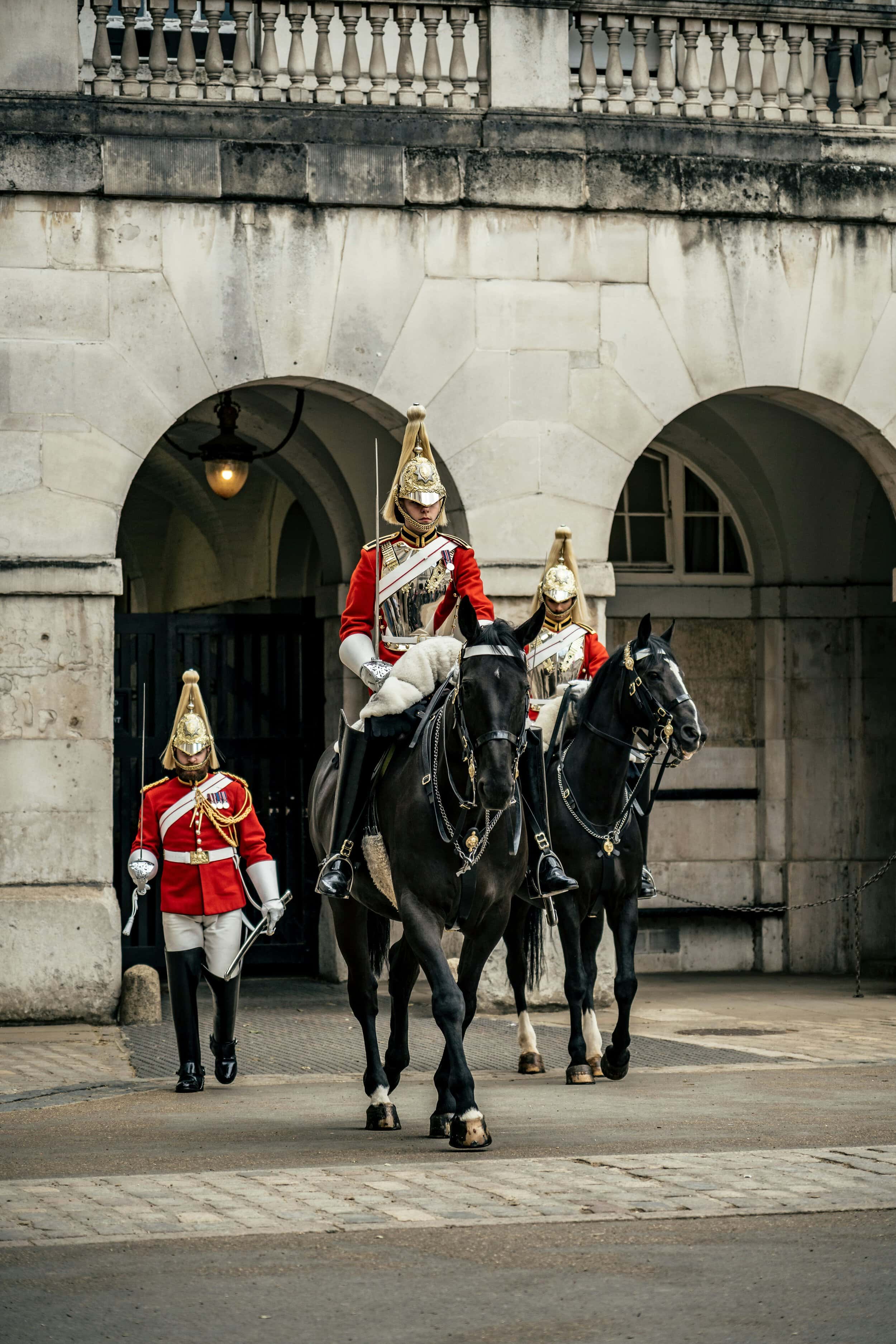
The Royal Mews, London is both a historic site and a working part of the Royal Household, located within the Buckingham Palace estate. It houses the royal collection of state coaches, ceremonial vehicles and horses used for official duties and state occasions.
Far from being a static display, it remains a fully functioning operational centre. Carriages are maintained, horses are trained and vehicles are prepared for royal engagements throughout the year. It is one of the finest surviving examples of a working royal stable system anywhere in the world – where heritage and function continue side by side.
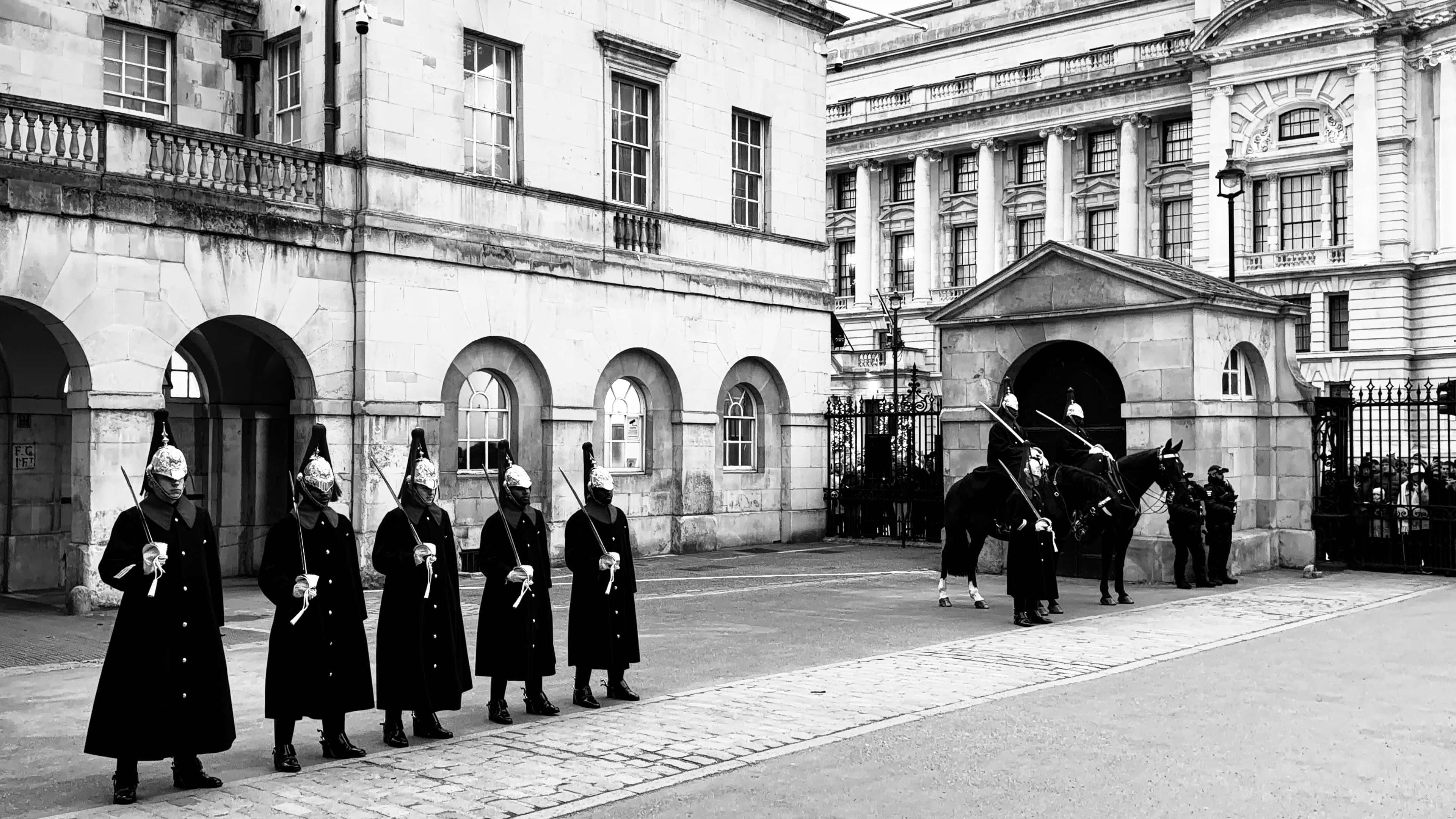
Among its most famous assets is the Gold State Coach, used for coronations and major state ceremonies, but the wider collection plays an ongoing role in supporting royal life today.
The Royal Mews and Trooping the Colour
Trooping the Colour is one of the most visually significant demonstrations of the Royal Mews in action. The carriage procession that forms part of the Sovereign’s journey is supported by horses and transport prepared through the Mews.
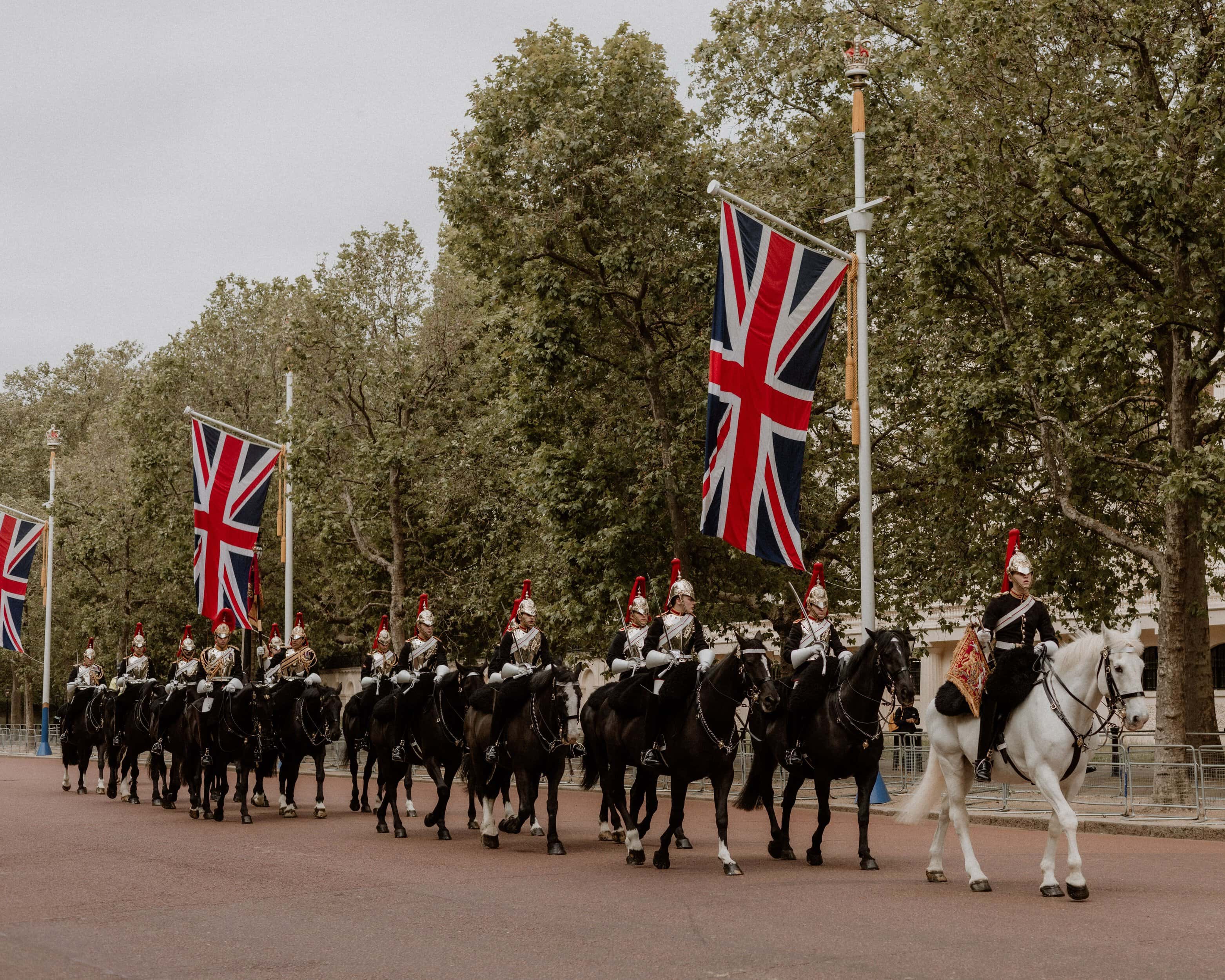
From Buckingham Palace along The Mall to Horse Guards Parade, the ceremony is a carefully choreographed display of military precision and royal tradition. While the focus is often on the Household Division and the Royal Family, the logistical and ceremonial support behind the scenes is quietly essential. Trooping the Colour itself has long been associated with the official celebration of the monarch’s birthday and remains one of the most important annual events in the royal calendar.
Why the Royal Mews still matters today
What makes the Royal Mews particularly remarkable is that it has never ceased to function. Unlike many historic institutions preserved purely for display, it continues to perform its original role in a modernised form.
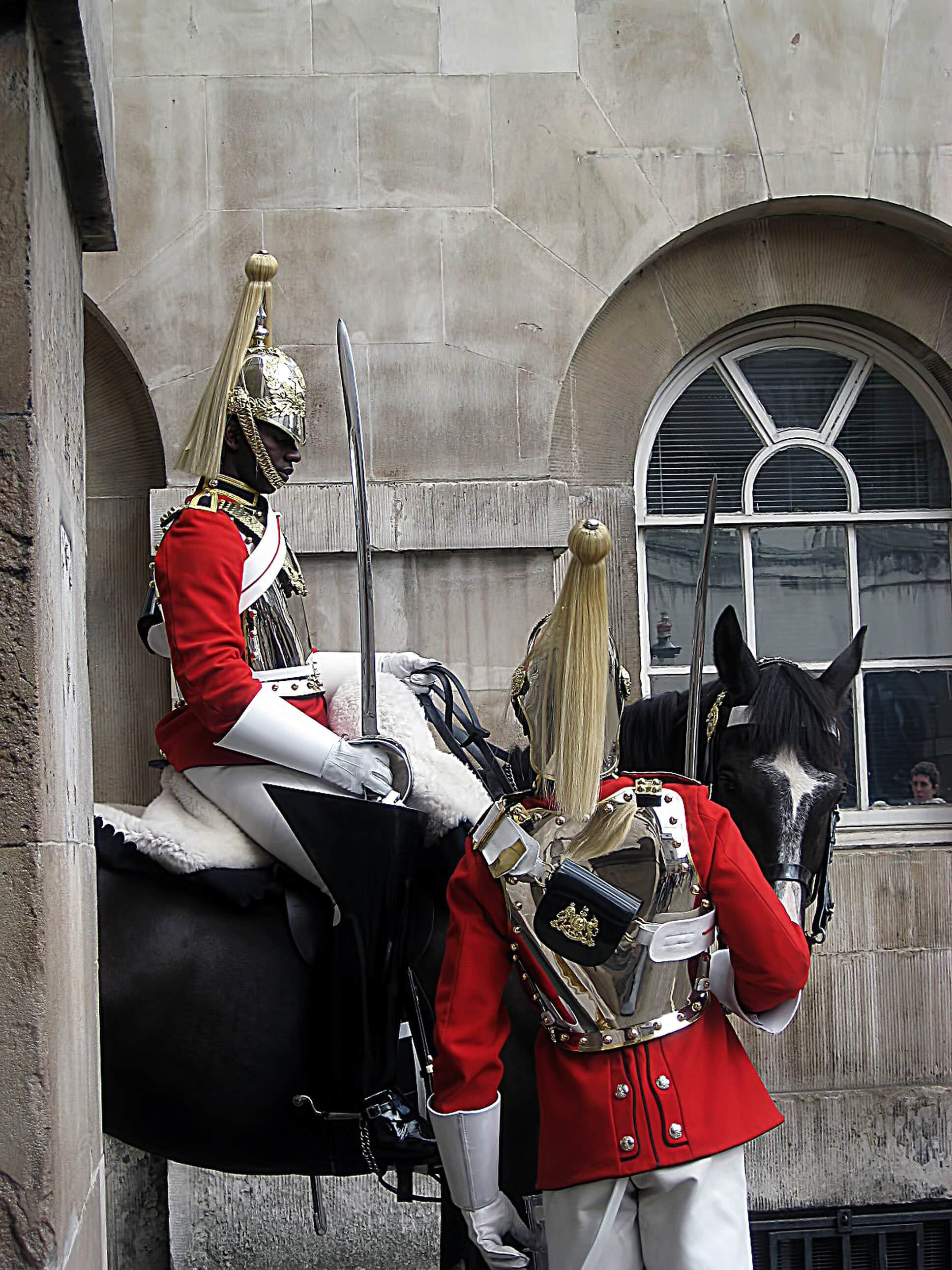
Horses are still trained for ceremonial duties, carriages are still maintained in working condition and royal transport is still prepared for state occasions. The Royal Mews is a living institution – one where tradition is actively maintained rather than simply observed.
From the Royal Mews to London’s mews streets
For those involved in London’s mews property market, the Royal Mews provides a direct link to the origins of the term ‘mews’ itself. Historically, ‘mews’ referred to royal hawking stables before evolving into carriage houses serving aristocratic residences across the city.
As London developed, many of these service streets were transformed into the highly desirable mews homes we see today – discreet cobbled lanes tucked behind grand terraces in areas such as Belgravia, Kensington and Marylebone.
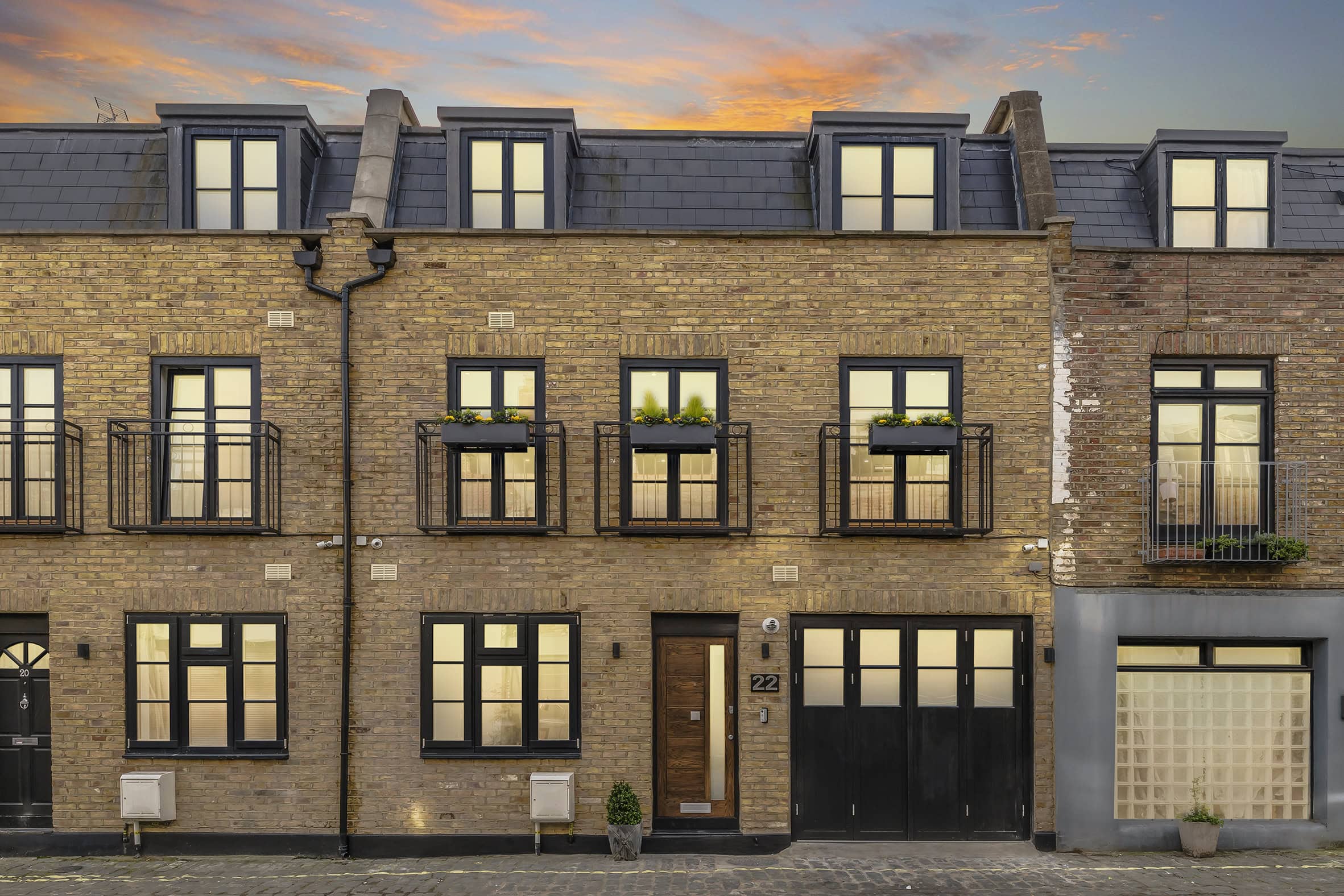
The Royal Mews remains the most complete expression of this heritage – preserving the working foundation from which modern mews living ultimately evolved.
The appeal of London mews properties
Today, mews properties are among the most sought-after homes in central London. They offer privacy, architectural character and a sense of seclusion that contrasts with the surrounding city.
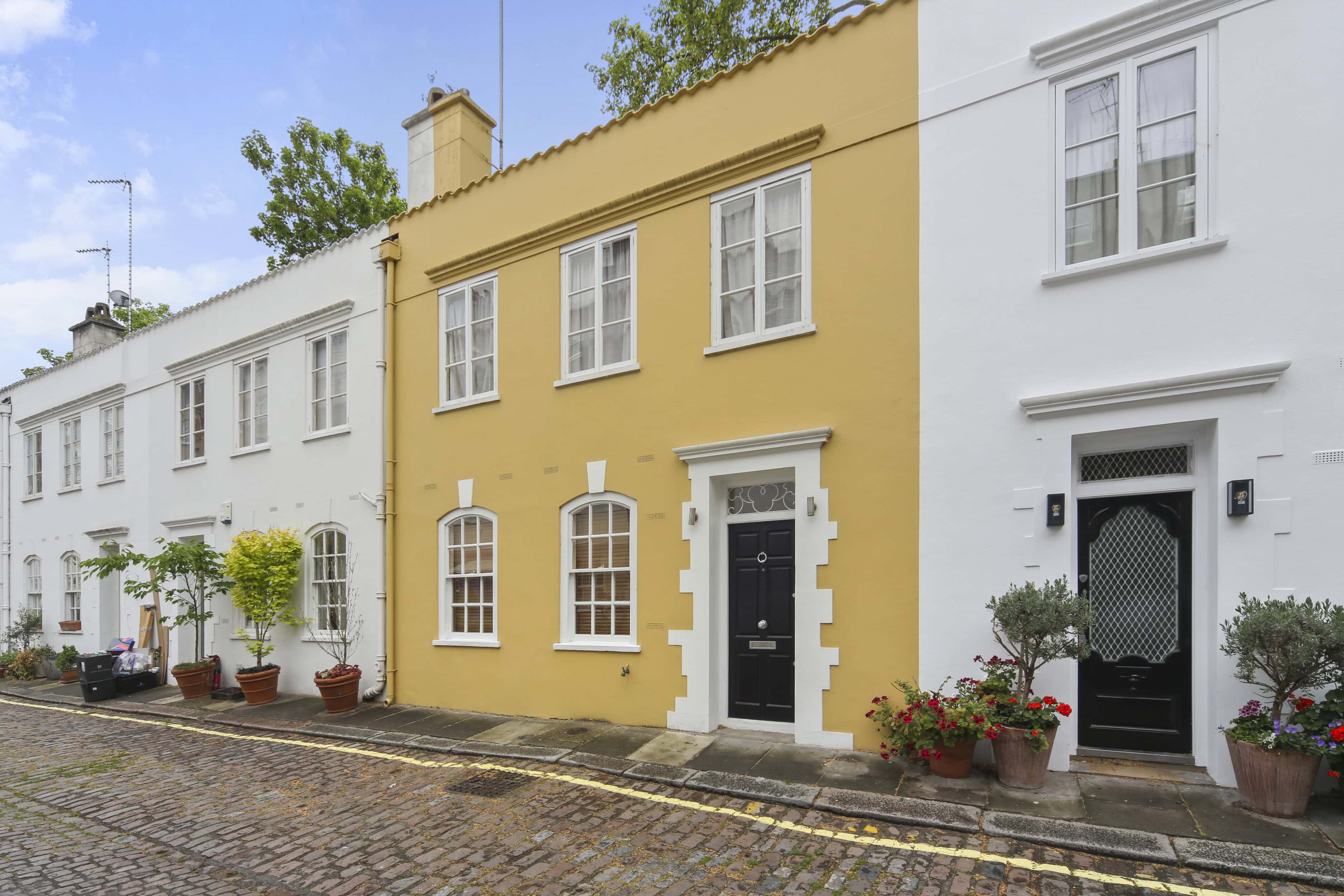
Yet they also carry a deeper appeal – a connection to London’s layered history. From royal processions at Buckingham Palace to quiet residential streets hidden behind grand squares, the story of the mews is one of functional heritage evolving into timeless living.
A living tradition behind the spectacle
As Trooping the Colour 2026 once again showcased the grandeur of British ceremonial life, the Royal Mews continued its essential work behind the scenes – preparing, maintaining and supporting traditions that have endured for centuries.
For those drawn to London’s architectural heritage, it is a reminder that some of the capital’s most compelling stories are not only found in its palaces and landmarks, but also in the working spaces that quietly keep tradition alive.
