Post-Autumn Budget reaction by Peggy Lurot
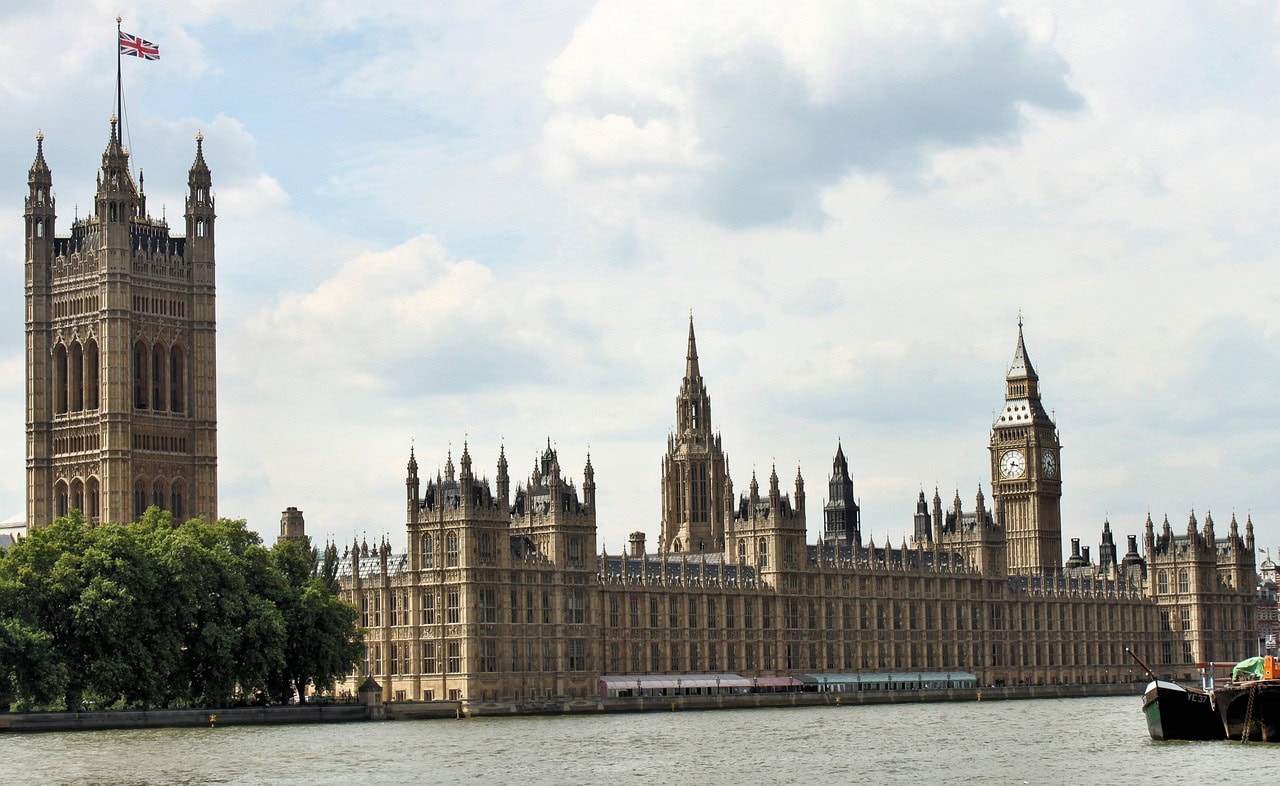
Our Managing Director, Peggy Lurot, shares her thoughts on the Autumn Budget below.
After months of speculation and a steady flow of unhelpful leaks, the Budget arrived with no major shocks. For many, there was an initial sense of relief: at least the feared headline tax hikes did not materialise. But look a little deeper and this is still very much a revenue-raising Budget. Freezing personal tax allowances and thresholds means more people will quietly drift into higher tax bands, while increases to dividend and property taxation will add to the burden on households and business owners alike.
Like many industries, those of us in the property sector watched closely to see how Rachel Reeves’ proposals would affect an already fragile market. Central London has not yet recovered from the cumulative impact of recent tax changes, tighter regulations and an increasingly heavy compliance regime. For us, two announcements stand out: the so-called ‘mansion tax’ on homes valued over £2 million and the 2-percentage-point increase in property income tax.
Since yesterday’s announcement, I have attended several webinars and talks, and the mood among industry professionals has been sceptical. While there is broad agreement that council tax valuations deserve review (the existing council-tax bands have not been re-valued nationally since 1991), many panellists questioned the practicality and political durability of the new High Value Council Tax Surcharge (HVCTS). Even given its popularity among Labour MPs, this measure may face administrative or political challenges and may not evolve before implementation.
Meanwhile, the increase in property-income tax is highly likely to feed through directly to tenants. With margins already squeezed, many landlords may feel they have little choice but to raise rents to absorb the extra cost. Some surveys suggest that as many as half of landlords may leave the private rental sector within the next five years. Among our long-standing clients, many have already reduced their portfolios or are simply waiting out the uncertainty. In some cases, the compliance burden outweighs the modest profit, and these new measures only reinforce that calculation.
We should also be concerned about the wider impact on high-value central London properties. These homes play a unique role in the capital’s economic ecosystem, attracting international buyers, second-home owners and long-term investors. Yet this group has already absorbed a series of policy changes in recent years, including the tightening of Non-Dom rules, the higher rate of Stamp Duty on second homes and now the prospect of an additional ‘mansion tax’. Each layer adds to a growing cumulative burden that does not exist in many competing global markets. Introducing a further surcharge risks deterring precisely the individuals who support not only property values but also the businesses, services and jobs connected to these homes. London cannot afford to become a less attractive proposition for global capital. That said, London continues to be a key destination for both international buyers seeking stability and high-quality investment opportunities, and for British residents choosing to anchor down and embrace their home country. We have seen an increasing number of overseas purchasers returning to the capital, motivated both by personal circumstances and by instability or discontent in their countries, while many UK buyers remain committed to London as a place to live, work and invest.
With a large number of fiscal measures announced (I heard 88 mentioned today), it is clear the government is casting a wide net to raise revenue. The cumulative effect – through threshold freezes, surcharges, NIC changes, ISA caps, and more – is likely to be felt acutely over the coming years. Fiscal drag may not grab headlines, but it is a powerful force.
Nonetheless, as mews specialists, we at Lurot Brand are pleased to report that, despite the broader headwinds, mews properties have remained comparatively resilient. While the wider market has faced uncertainty and a slowdown in transactions, we have experienced a stronger year than last, with demand for mews homes holding up and values showing relative stability. This suggests that, even in a potentially more challenging economic environment, certain niches of the central London property market, particularly characterful, high-quality mews homes, continue to attract interest from discerning buyers. It serves as a reminder that, even amidst policy changes and fiscal pressures, there are pockets of resilience and opportunity in the capital’s property market.
With the Budget now announced, we anticipate renewed activity in the market, with clients and buyers already expressing their intention to proceed with transactions.
Autumn Budget 2025 Summary
Property & Personal Tax
High Value Council Tax Surcharge (HVCTS) from April 2028:
£2,500/year for properties worth £2–2.5 million
£3,500/year for £2.5–3.5 million
£5,000/year for £3.5–5 million
£7,500/year for properties above £5 million
New valuations to be carried out by the Valuation Office, reflecting their value in 2026.
Pensions & Savings
Salary-sacrifice pension contributions: only the first £2,000/year NIC‑free from April 2029; above that, normal NICs apply (employers 15%, employees 8% basic/2% higher).
ISA reforms (from April 2027): Under‑65s limited to £12,000 per year in Cash ISAs; the remaining £8,000 of the overall £20,000 annual ISA allowance can be used in Stocks & Shares or other ISA types. Cash ISAs remaining at £20,000 for over-65s.
Housing & Welfare
Two-child benefit cap scrapped from April 2026.
Face-to-face welfare checks to be reinstated in certain circumstances (part of broader welfare reform to reduce fraud and support targeted intervention).
Motoring & Fuel
Pay-per-mile tax (from 2028): 3p/mile for electric vehicles, 1.5p/mile for plug-in hybrids.
Fuel duty frozen until August 2026.
Business Measures
Business-rates relief for 750,000+ retail, hospitality and leisure (RHL) properties from April 2026.
Transitional relief package of £4.3 billion to limit rate increases after revaluation.
40% First-Year Allowance (FYA) for main-rate capital expenditure from Jan 2026 (excludes cars, second-hand assets, overseas leasing).
Employee Ownership Trusts (EOTs): CGT relief reduced from 100% to 50% for disposals.
Removal of customs duty relief for low-value imports under £135.
Free training for under-25s apprenticeships in SMEs.
Stamp Duty holiday: three-year exemption for newly issued shares in newly listed companies.
Enterprise Management Incentive (EMI): company eligibility limits increased to allow scale-ups as well as start-ups.
Writing-down allowance for business investments reduced from 18% to 14%; though full expensing is still available for most.
Higher Dividend Tax: basic rate 8.75% → 10.75%; higher rate 33.75% → 35.75%; additional rate unchanged.
Business Rates: higher rate introduced for properties with rateable value over £500,000.
Inheritance & Property Reliefs
Business and Agricultural Property Relief (BPR/APR): £1 million cap remains, but unused allowance can now be transferred between spouses or civil partners, effectively up to £2 million per couple.
Infrastructure, Planning & Energy
Major investment in nuclear power: Government commits £14.2 billion to Sizewell C and backs new small modular reactors (SMRs) via GB Energy to support long‑term energy security and job creation.
Planning reforms and capacity boost: 150 major infrastructure decisions pledged to be fast‑tracked this Parliament; extra funding (£48 million) to recruit more planners to accelerate housing and infrastructure development.
Support for industrial energy users: Launch of the British Industrial Competitiveness Scheme to lower electricity costs for energy‑intensive businesses, helping manufacturing and commercial sectors.
Student Finance
Plan 2 Student Loan Repayment Threshold Freeze: from April 2027, the income threshold at which graduates begin repaying will be frozen for three years, likely increasing the repayment burden for many as wages rise.
To read more about the budget: Budget 2025 – GOV.UK

