London’s Great Estates – The Howard de Walden Estate
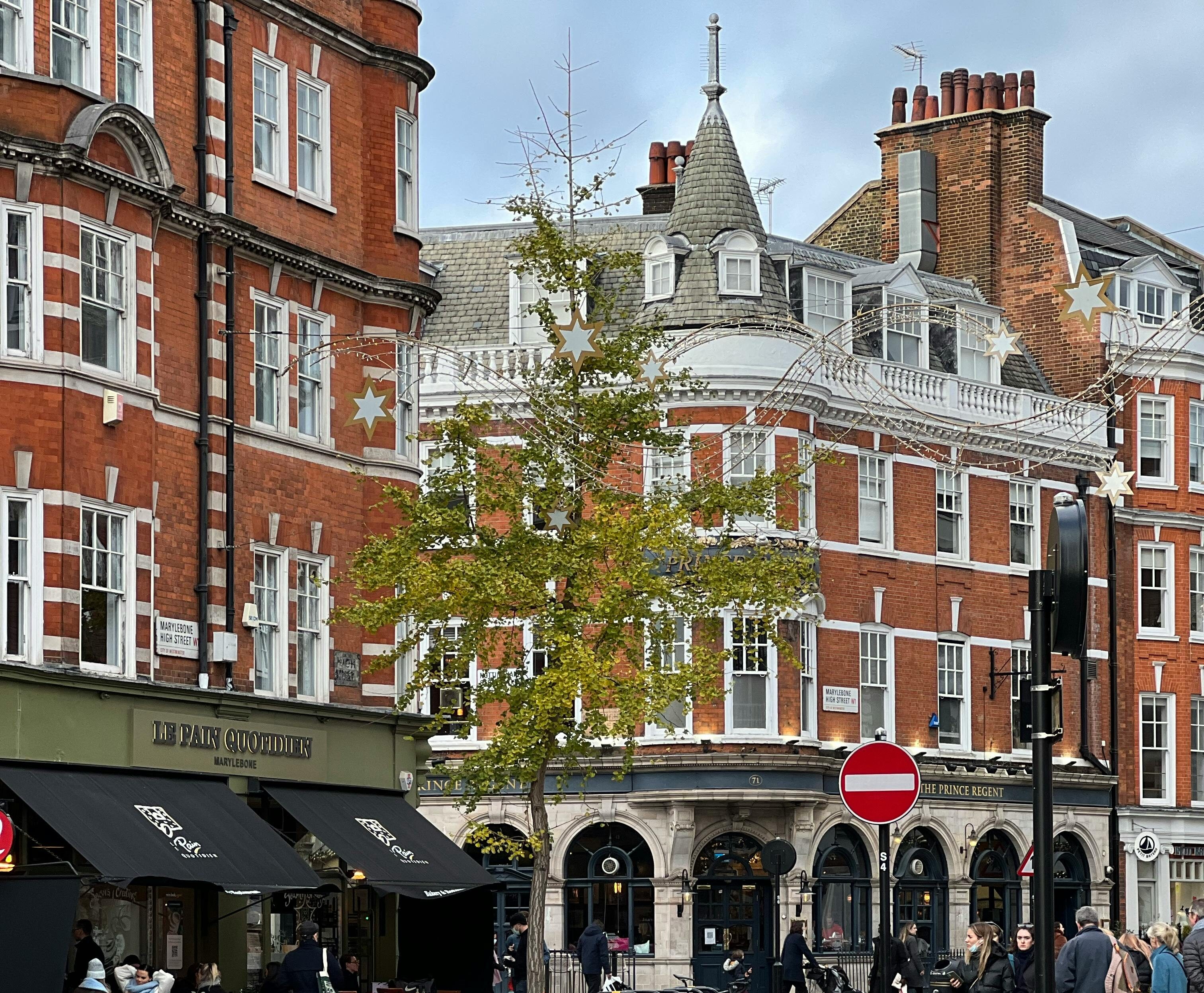
London’s Great Estates share an ethos of preserving and enhancing the areas they own. Their common objective is to ensure that they continue to maintain the architectural heritage, meet the needs of local residents, attract and support businesses, draw visitors and increase footfall and to thrive as social and economic hubs. In this blog, join us as we explore and delve into the history of The Howard de Walden Estate.
History of The Howard de Walden Estate
The Howard de Walden Estate, like its historic neighbours, was originally an expanse of around 92 acres of rural land, with some archaeological evidence of a sparse Roman settlement. It lay within the manor of Tyburn, on the banks of Tyburn Brook in Middlesex. In the Domesday Book of 1086, it was recorded as being owned by the Abbey of Barking, generating an annual revenue of 52 shillings. Records stated the area was occupied by eight dwellings with no more than 50 residents working in agriculture and milling.
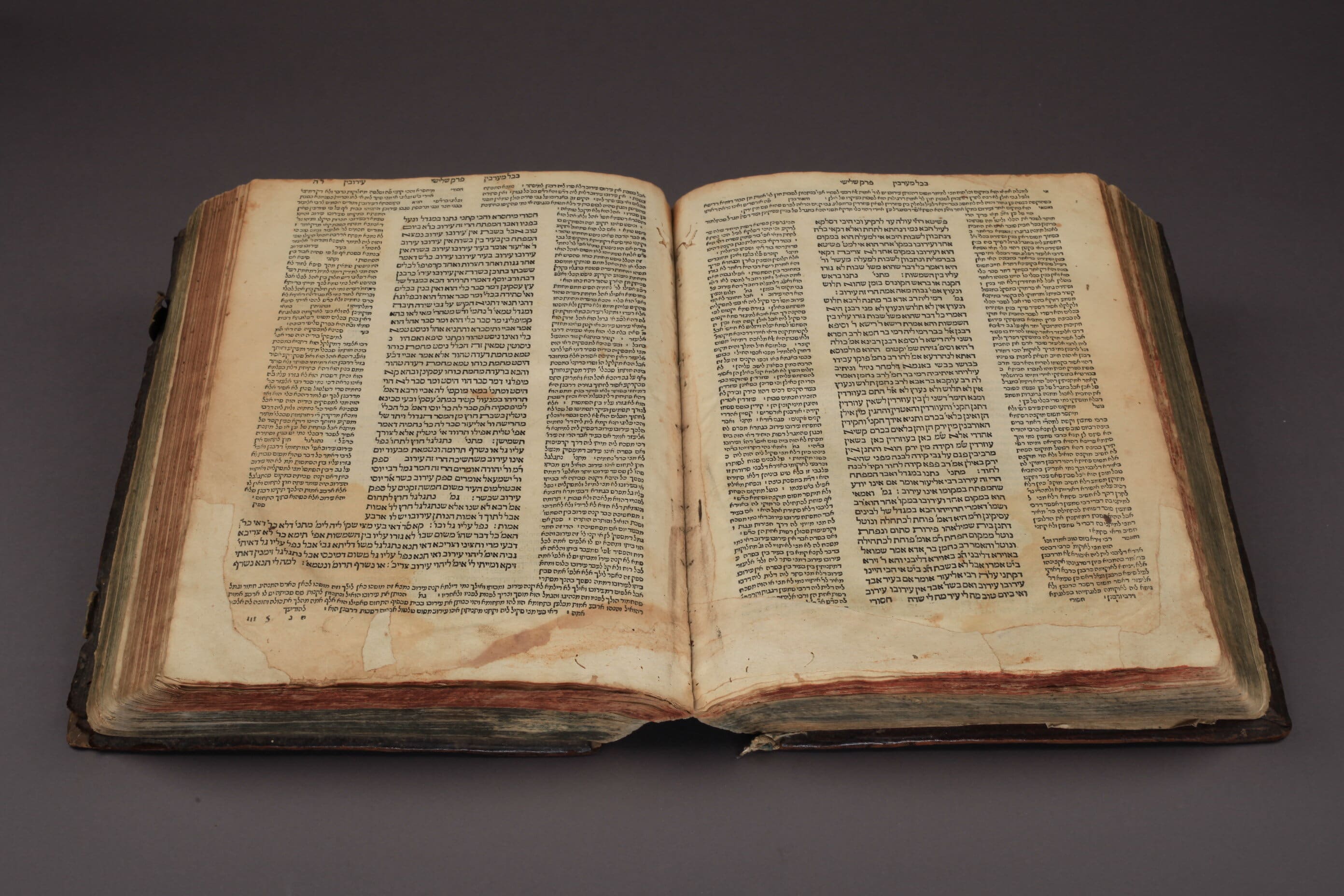
Photo © LGLou, CC BY-SA 4.0
The name ‘Marylebone’ dates back to 1400. An old church was relocated close to the Tyburn stream (known as a ‘bourne’) from what was a ‘dodgy’ area off Oxford Street and today forms the top of Marylebone High Street. The new church was called St Mary’s. The parish boundaries were formalised and included a manor house that was sited where number 55 Marylebone High Street sits today. Built by the Earl of Oxford, it served as an administrative centre for the estate. Historically, various names were given to the area including St Mary-la-Bourne, Mariburn and even Marrowbone, before landing on the current spelling of Marylebone.
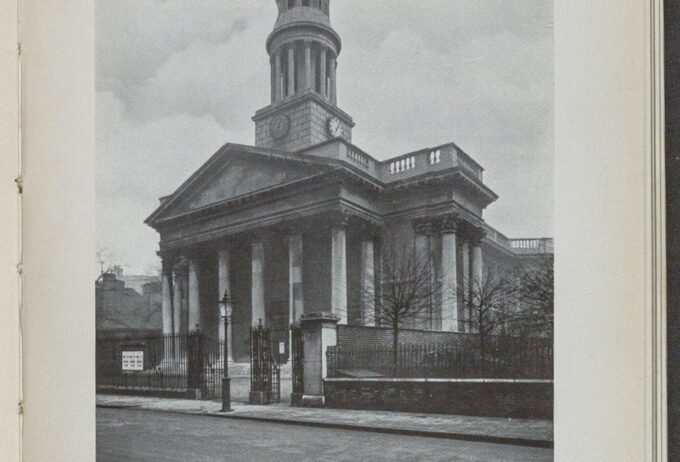
Photo © University of London
The Dissolution of the Monasteries by Henry VIII in 1539 had a significant impact on much of what was rural London. The king confiscated the parish of Tyburn, creating a royal deer park and converted the manor house into a hunting lodge. Not until the reign of James I in 1611, when the king transferred the freehold to the Forsett family, did the manor of Tyburn pass from royal and ecclesiastical ownership into aristocratic hands. From that point, it created an opportunity for wealthy landowners to expand and develop the area into a new and fashionable urban landscape beyond the City of London.
A New Era of Residential Development in the 18th Century
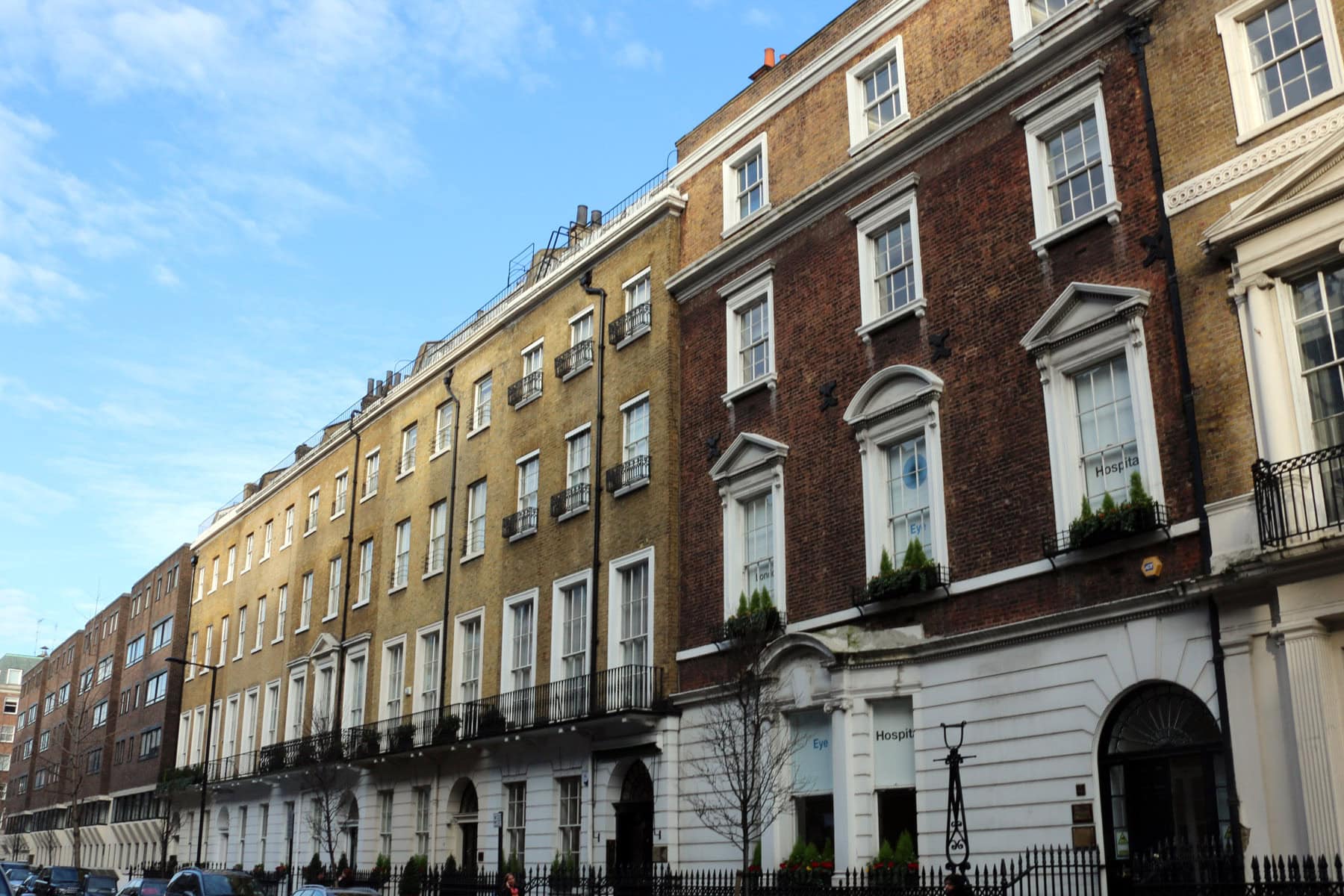
In 1711, the Duke of Newcastle, John Holles paid £17,000 for the Marylebone manor. Two years later, his daughter, Henrietta Cavendish-Holles married Edward Harley, 2nd Earl of Oxford, and the land transferred to the Harley family. Of course, the name ‘Harley’ is where today’s Harley Street – the world-renowned address for medical treatment – takes its name, and Cavendish Square is named after Harley’s wife, Lady Henrietta Cavendish Holles.
The Bubble that Burst Slowing Down Marylebone’s Development
From 1715, the architect John Prince was commissioned by Edward Harley to create a residential grid layout to the north of Oxford Street with Cavendish Square at its centre. Harley granted leases to builders under strict covenants to maintain high standards and retain the refined feel and desirability of this new neighbourhood. In 1720, development faltered significantly because of the South Sea Bubble financial crisis causing wealthy aristocrats to lose fortunes overnight.
The Powerful Family Union that led to The Portland Estate
Once economic prosperity returned, expansion continued after Edward Harley’s death in 1741. His ambitious daughter, Margaret Cavendish Harley, who in 1734 had married William Bentinck, 2nd Duke of Portland, oversaw further development over the next five years, extending as far as Wigmore and Mortimer Streets.
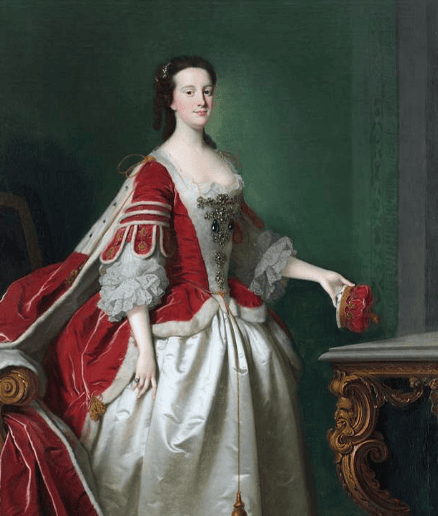
She drew on the architectural talent of the Adams brothers to define the elegant layout of Mansfield Street and Portland Place, which encouraged wealthy people to move into these new residential addresses. By the turn of the century, the Dukes of Portland had ensured that the Georgian framework and masterplan were complete, with the area from Oxford Street and Marylebone Road fully constructed by 1799; new uniform homes were built in wide streets, squares and sweeping terraces that defined Marylebone’s character across a 92-acre site.
In total, five generations of the Bentinck family oversaw the Portland Estate. It was their stewardship that rejected property sales in favour of long-term leaseholds, which enabled them to retain architectural control and preserve what had been created.
The Howard Family Take Ownership
In 1879, when the 5th Duke of Portland, William John Cavendish-Scott-Bentinck, died without a male heir, the Portland Estate which included much of Marylebone, passed into the Howard family’s ownership through the inheritance of his sister, Lucy Joan Bentinck, widow of Frederick George Charles, 6th Baron Howard de Walden (died 1869). At that point, the property was renamed the Howard de Walden Estate, after Lucy’s late husband’s baronial title.
Under the Howard stewardship, the family steered a strategic redevelopment of the estate, including a reconstruction of Marylebone High Street and promoting Harley Street as a destination centre for medical services, by offering incentives to attract physicians to lease premises. In 1882, they set up an estate office at 23 Queen Anne Street, to which the Howard de Walden management team returned after refurbishment in 2025, to manage operations and the Estate’s sustained investment in infrastructure.
The Later Years Up Until the Present Day
The Howard de Walden Estate has continued to remain under beneficial ownership via Howard de Walden Estate Holdings Limited. Following the death of the 9th Baron Howard de Walden in 1999, control passed to his four daughters, who took up directorial positions and upheld the principles of deploying capital in the long term to enhance the community. This was demonstrated in the strategic 2010 acquisition from the Crown Estate of the freeholds in Harley Street for £34 million.
Today, the over 850 buildings extend across the estate with a mix of residential properties, Harley Street medical premises, commercial offices and retail buildings predominantly located in Marylebone Village. All of which, as of late March 2025, generated rental income in excess of £164m. This is testimony to the way the estate’s management has implemented a programme of dynamic redevelopment, while ensuring that the historical character and architectural style of the local area are maintained. The management also recognise the importance of engaging with the community, as well as with the educational and cultural institutions under its stewardship
Explore and Enjoy Marylebone Village
The Howard de Walden Estate’s ongoing investment and imaginative approach has created Marylebone Village – a true London village destination. Here you will feel the buzz as you wander along attractive streets and discover eclectic shopping, including high-end designers and independent boutiques, plenty of street cafés, restaurants from casual to fine dining, as well as regular markets and events. Just minutes from the frenetic pace of Oxford Street, it’s easily reached yet feels entirely separate from its busy neighbour, with pretty green spaces and a relaxed, friendly atmosphere. There are quiet, partially pedestrianised streets like Moxon Street, a food enthusiast’s haven, or Marylebone Lane and New Cavendish Street, which are populated with welcoming cafés and independent retailers.
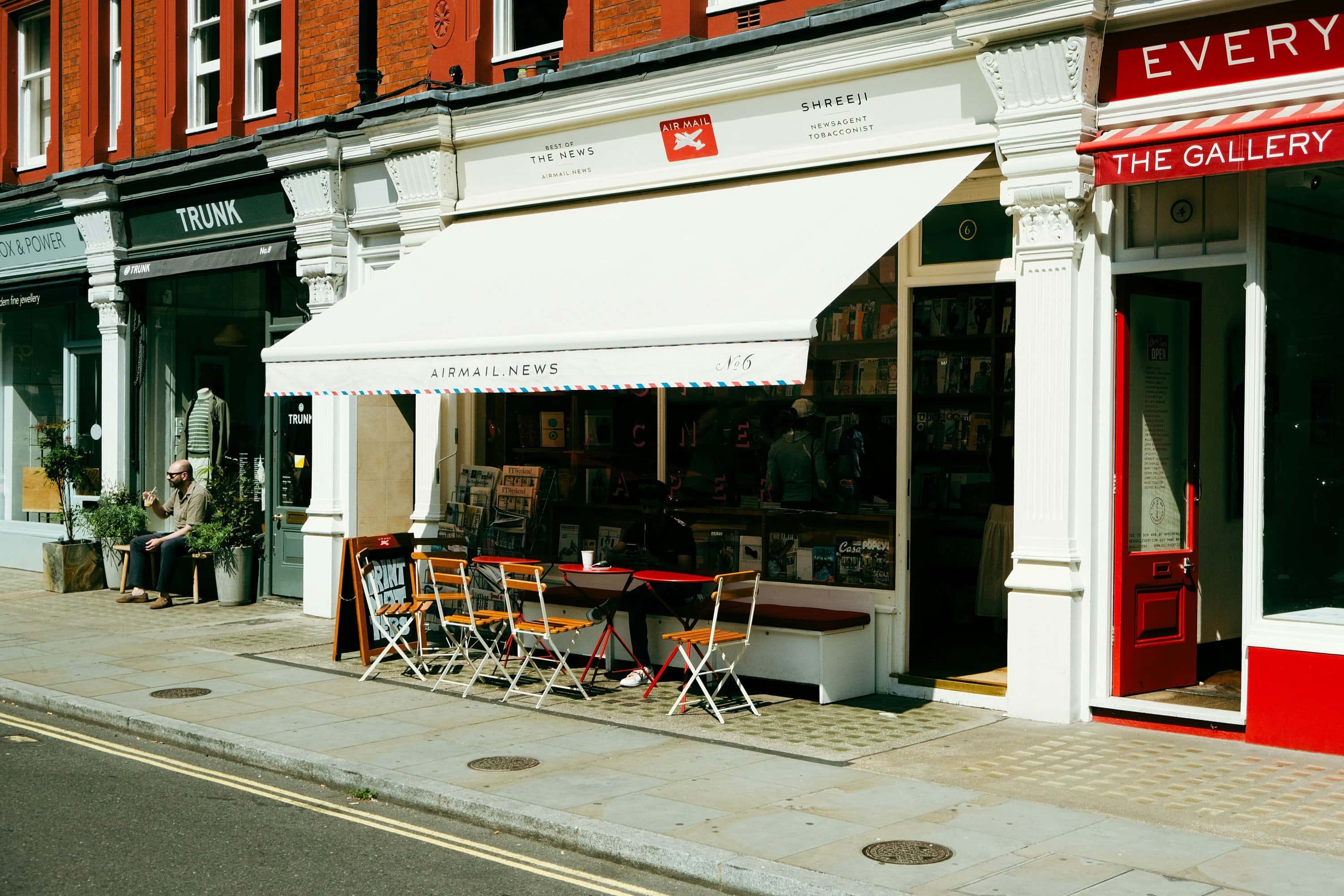
Marylebone High Street is at the core of the Village and is home to a range of intriguing shops, places to eat and drink such as Fischer’s, the much-loved Viennese restaurant, iconic Daunt Books, the artisan food store Bayley & Sage, the wonderful haberdashery V V Rouleaux, The Conran Shop and many more renowned names. There is a genuine sense of community, with local residents going about their daily errands and visitors seeking to explore. The high street also attracts fewer tourists than Mayfair, which creates a more traditional sense of place.
Marylebone Farmers’ Market held every Sunday 10am to 2pm – rain or shine – is a flagship farmers’ market on St Vincent Street, Aybrook Street, and the top of Moxon Street. Whatever the time of year or the season, you can be sure to find the freshest, most lovingly sourced produce. From the first crop of wild garlic in March, asparagus in April, Kent strawberries in May and cherries in July, a whole host of vegetable and fruit growers descend every month such as Brambletye Fruit Farms, the Potato Shop and Riverdale Organic Farm. Fresh fish, excellent game and poultry, and free-range eggs are always on show too.

What resonates from each corner of The Howard de Walden Estate is the care and curation that has gone into cultivating high-end products; quality brands that deliver personal service and share a passion for what they offer customers whether that’s shopping, eating or socialising. Visitors can enjoy a range of cultural and lifestyle activities, from art exhibitions to exercise classes, and attend masterclasses, collaborations or promotions hosted by shops and restaurants, many of which also participate in the major community events.
Mews in Marylebone
Marylebone features a significant concentration of historic mews, once used for stables in the 18th and 19th centuries, they are now highly desirable, renovated residential homes. There are at least 15 distinct, named mews streets identified in the local area, ranging from small cul-de-sacs like Marylebone Mews to larger and better known locations such as Bentinck Mews and Wimpole Mews.
Prominent mews in the Marylebone area include:
Bentinck Mews: Known for its quiet, historic charm, it lies within the Harley Conservation Area, close to Manchester Square and Hyde Park’s green spaces. This cobbled no-through mews contains just eight properties used for both residential and commercial purposes. Everything is within walking distance – Marylebone High Street, Chiltern Street and Mayfair.
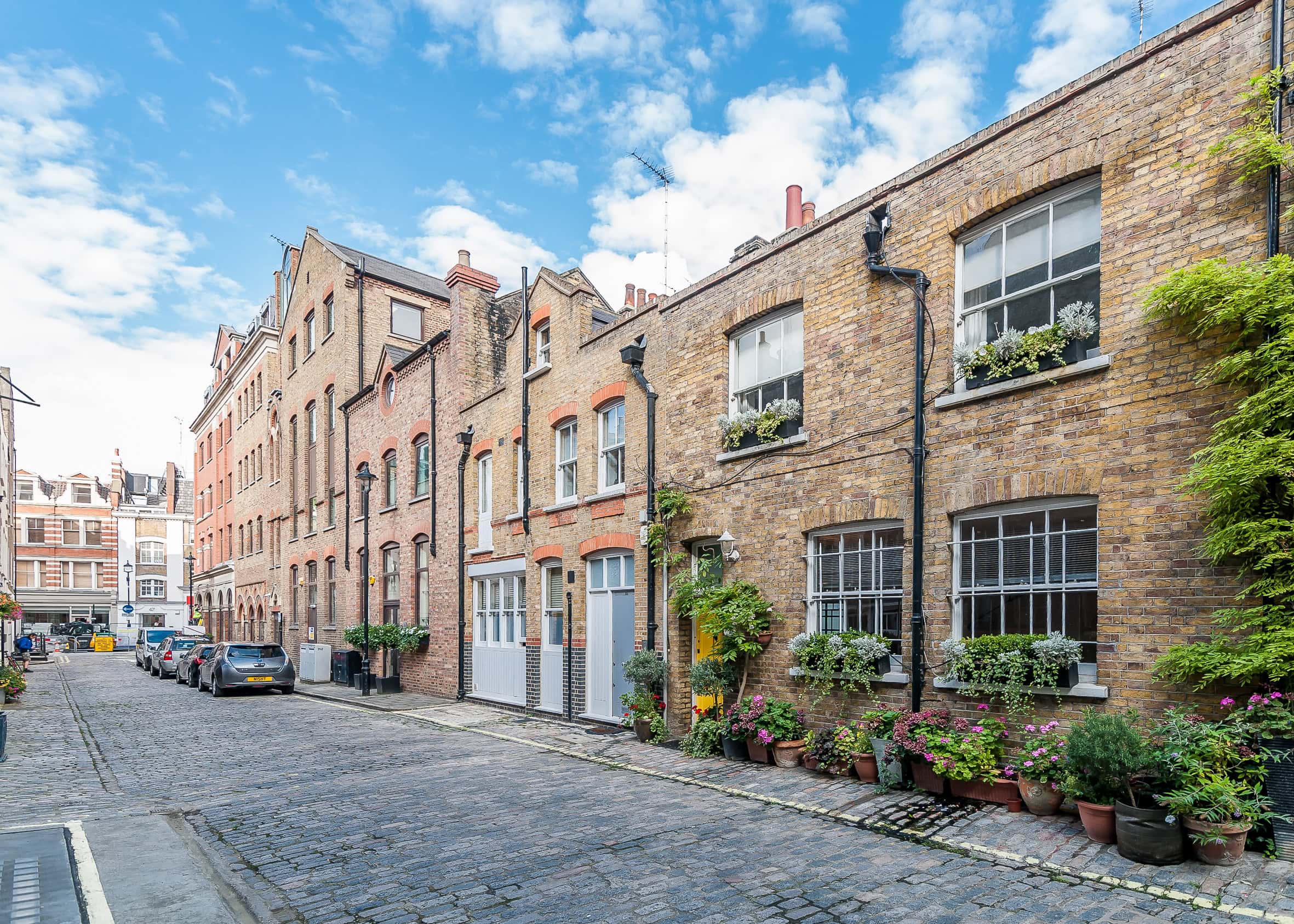
Wimpole Mews: Features a mix of traditional and modern buildings. The sought-after Wimpole Mews sits between Weymouth Street and New Cavendish Street, just west of Marylebone High Street. The 1989 film Scandal, about Christine Keeler’s romantic entanglement with politician John Profumo, featured scenes shot in the mews, which had been home to Keeler in 1962 when her affair caused a political scandal.
Devonshire Place Mews: A prime central yet peaceful location that is home to 16 residential mews properties, Devonshire Place Mews is a through road between Devonshire Street and Marylebone High Street in Westminster, directly opposite Dunstable Mews. Between October 1940 and June 1941, a high explosive bomb is recorded falling onto the central section of Harley Street, not far from the mews. Devonshire Place Mews is situated to the north of the Harley Street Conservation Area in Westminster.
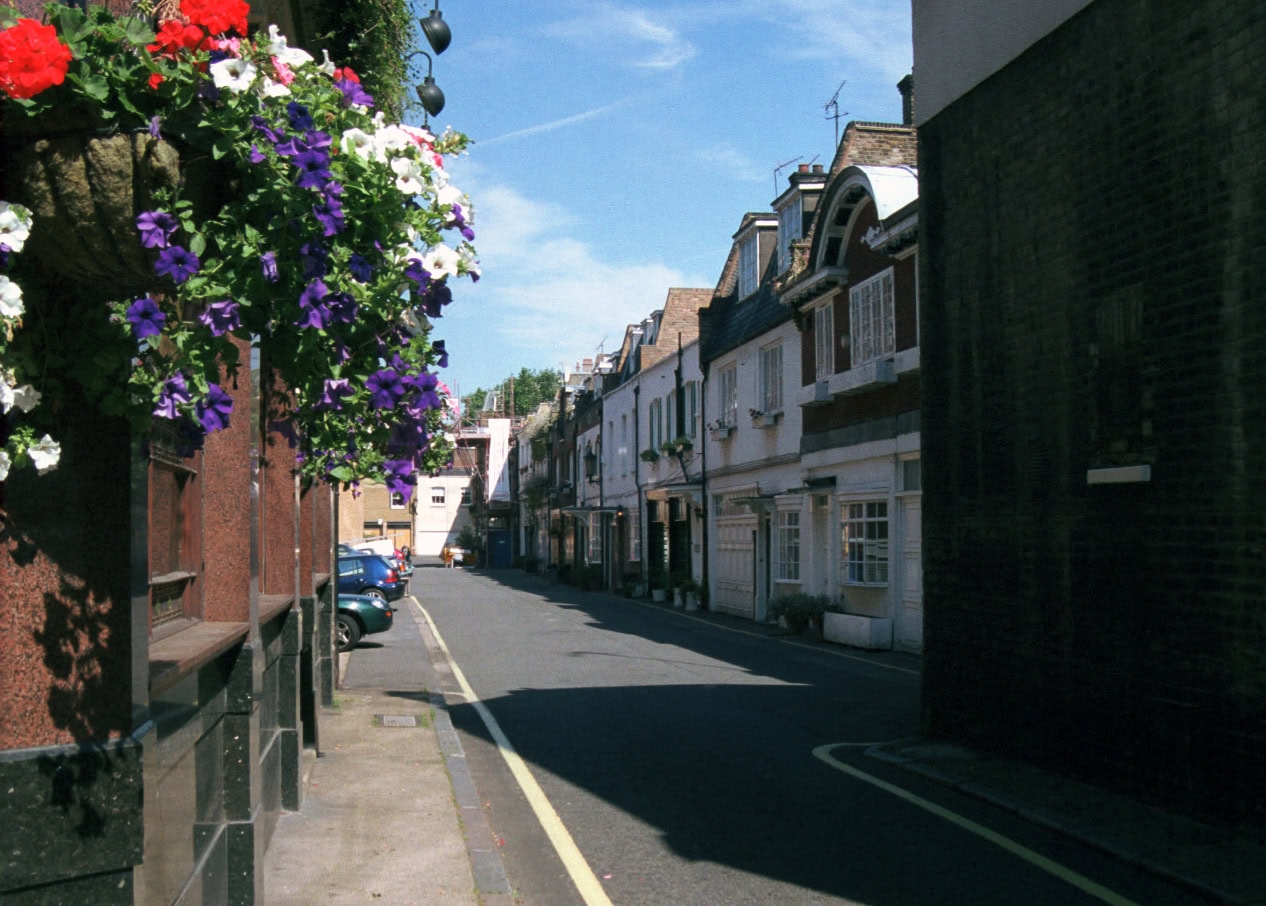
Marylebone Mews: A 14-property cobbled cul-de-sac off New Cavendish Street, opposite Browning Mews. Some of the two and three-storey houses are built on the site of an original mews but have been redeveloped, whilst others retain their original features.
Bakers Mews: A charming period mews located within the Portman Estate Conservation Area in the Marylebone area. Originally, named in the 17th century after a local baker, Edward Baker, the mews was built to house stables and coach houses for the grand residences on Baker Street, Robert Adam Street and Fitzhardinge Street. Today, the mews has been largely converted into private homes, though some commercial properties remain.
Brunswick Mews & Bryanston Mews (East/West): Brunswick Mews contains modern mews houses, and Bryanston Mews West is an intriguing mix of period and modern mews that runs parallel to Montagu Mews West and Bryanston Mews East.
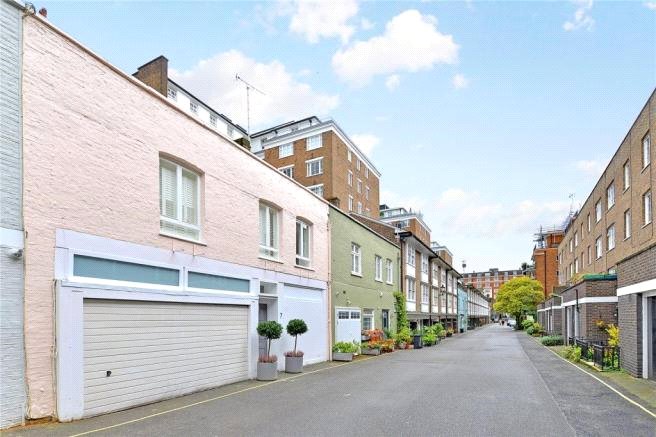
Cavendish Mews North: unusually T-shaped, this cobbled mews has nine properties, no comma that date back to the Victorian era and mid-late 20th century, some of which retain their original timber garage/ no space coach doors.
Movers & Shakers & Famous Estate Residents
The Howard de Walden Estate in Marylebone, London, has long been home to notable figures, particularly along the medical hub of Harley Street, where four-time Prime Minister William Gladstone lived. Famous past local residents include artists J.M.W. Turner and Sir William Beechey, author Wilkie Collins, and politician Lord Byron, who was born and baptised in Marylebone. Charles Dickens once lived at 1 Devonshire Terrace, where he wrote David Copperfield. Edward Gibbon was a historian and the author of The Decline and Fall of the Roman Empire, which he penned while living on Bentinck Street. Then, of course, there’s Sherlock Holmes who lived at Baker Street, and Charles Babbage and Florence Nightingale, both of whom have connections to the local area. Musicians ranging from Paul McCartney to Madonna have also previously resided in Marylebone.
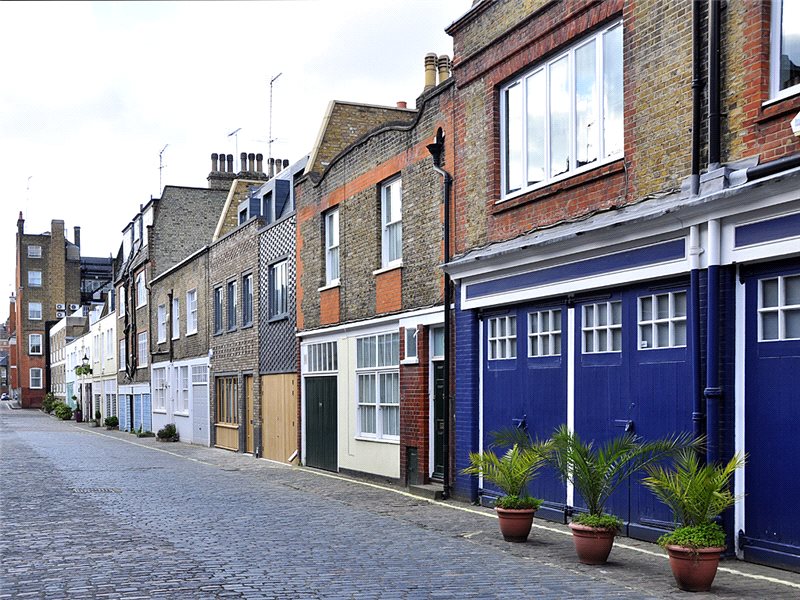
Wimpole Mews was made notoriously famous in 1962 by Christine Keeler, model and showgirl, who lived at number 17. Her simultaneous relationships with Britain’s 47-year-old Secretary of State for War, John Profumo, and 36-year-old Soviet Embassy attaché, Yevgeny Ivanov, came to light when her ex-lover, Johnny Edgecombe, fired six shots into her front door with a handgun she had given him. It was during the police investigation that the scandal broke, ending Profumo’s political career, which in turn brought down the Conservative government of that time.
Out and About & Making Merry in Marylebone
‘Too many to mention’ and ‘spoilt for choice’ are phrases that spring to mind when deciding on top recommendations for cafés, favourite restaurants and places to hang out in Marylebone and around The Howard de Walden Estate. Here are a few of our top finds:
Back On Track Coffee: Head to 3A Wimpole Street and prepare to relax in this wonderful independent café known for the best flat white around and muffins that are nothing short of delicious. The staff are charming, the ambience is relaxed and it’s the ideal place to take time out to dream alone, share gossip with a friend, or even read a novel.
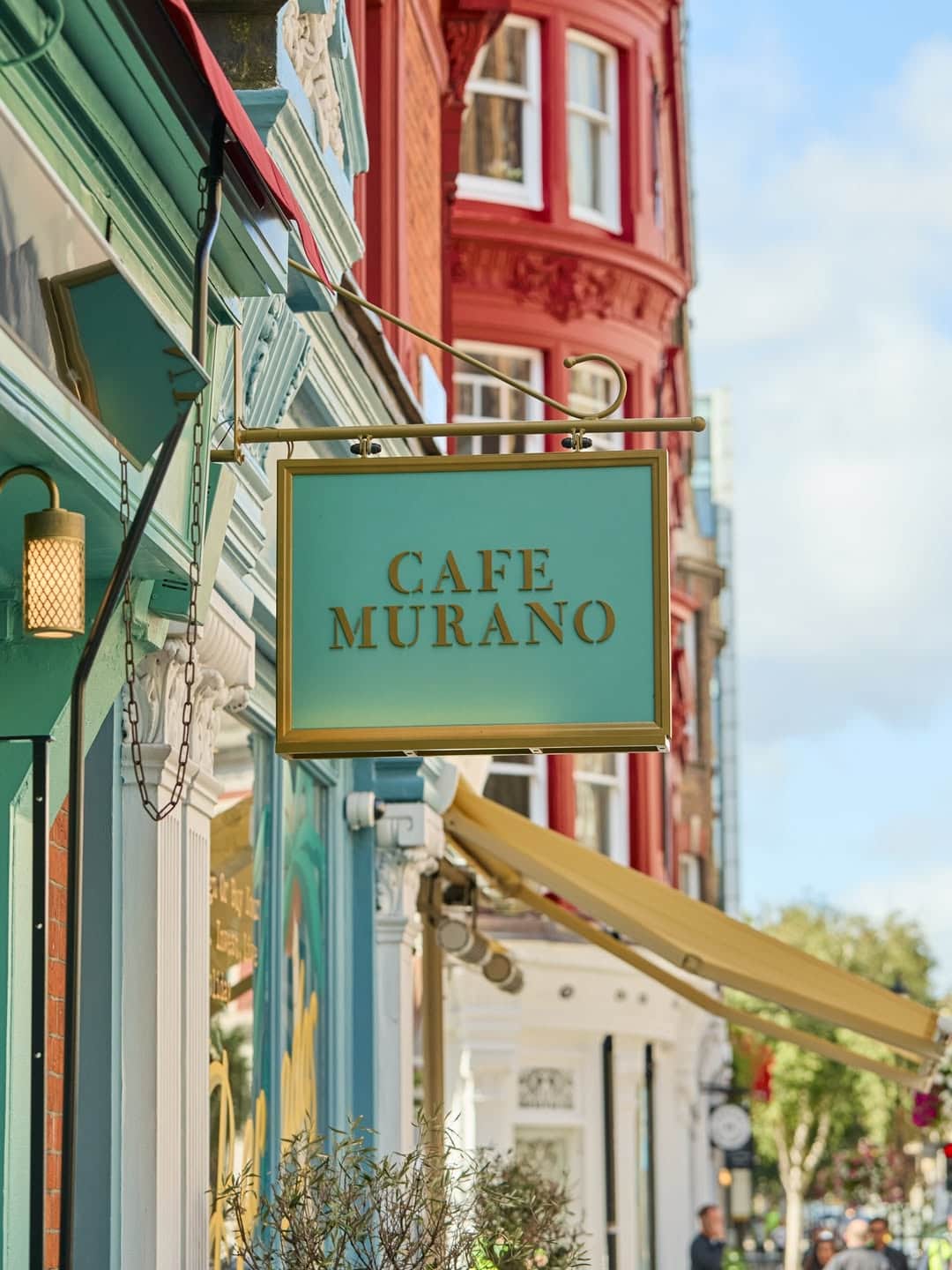
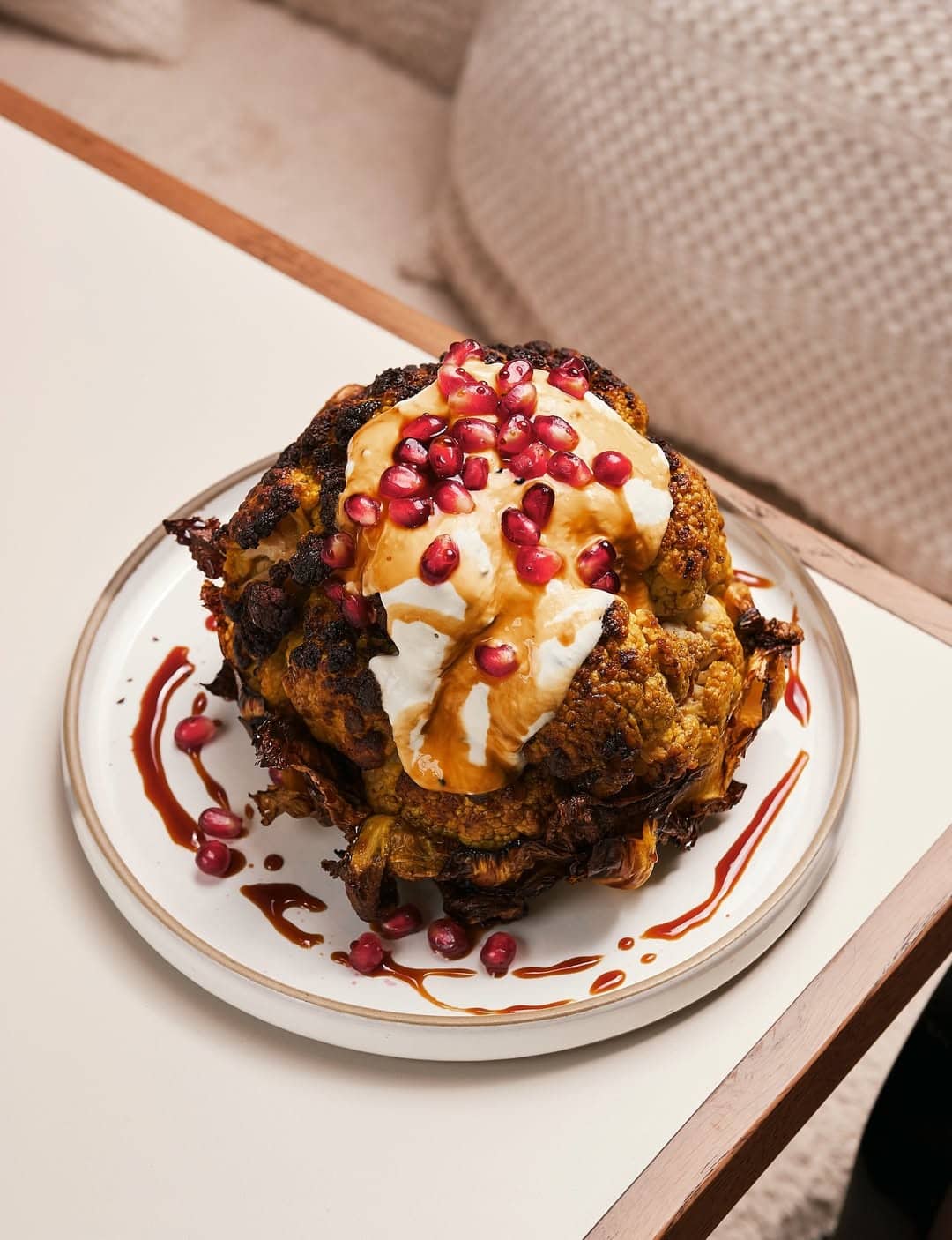
In the immediate vicinity is Angela Hartnett’s Marylebone branch, Cafe Murano on Dorset Street. Its contemporary design and high-quality menu fits in beautifully with the surrounding relaxed chic Village vibe. You can, of course, start early with breakfast from 8am, but it’s also a restaurant serving wonderful rustic, authentic Italian-inspired dishes that will transport you from Liguria to Sardinia without actually leaving W1.
Sticking with the Italian theme, Carlotta is big, bold and a little bit brash with its American-Italian style, Instagrammers love it! It boasts an impressive Italian wine list and great cocktails to accompany huge plates of pasta and meat dishes, followed by rich puddings.
Trishna is located in Blandford Street in the heart of Marylebone Village, and was awarded a Michelin Star in 2012 for its contemporary take on Indian coastal cuisine. The interior is comfortable, with antique mirrors, delicate lighting and original wooden panelling. There is a terrace opening onto the street that will entice any passer-by with the fragrant spices emerging from the dining room.
Delamina brings the flavours and cuisine of the Eastern Mediterranean to Marylebone, courtesy of its husband-and-wife duo. Limor’s Middle Eastern and European heritage inspired her to experiment with food from a young age. Self-taught, she brings a delicate skill using herbs, spices, and authentic cooking methods to the dishes on the menu, in combination to a healthy approach to preparing flavoursome food.
Paul Rothe & Son is a renowned delicatessen that has been in Marylebone since 1900, and is a local institution that the locals simply could not be without. Family-owned and run, it serves soups and sandwiches that are unspeakably moreish. Need we say more…?
108 Brasserie is located at the rear of The Marylebone Hotel on the cobbles of Marylebone Lane. The bar serves a selection of classic and signature cocktails, alongside an extensive wine list and its very own 108 gin. It runs a monthly jazz brunch with live music and offers an enticing brasserie-style menu.
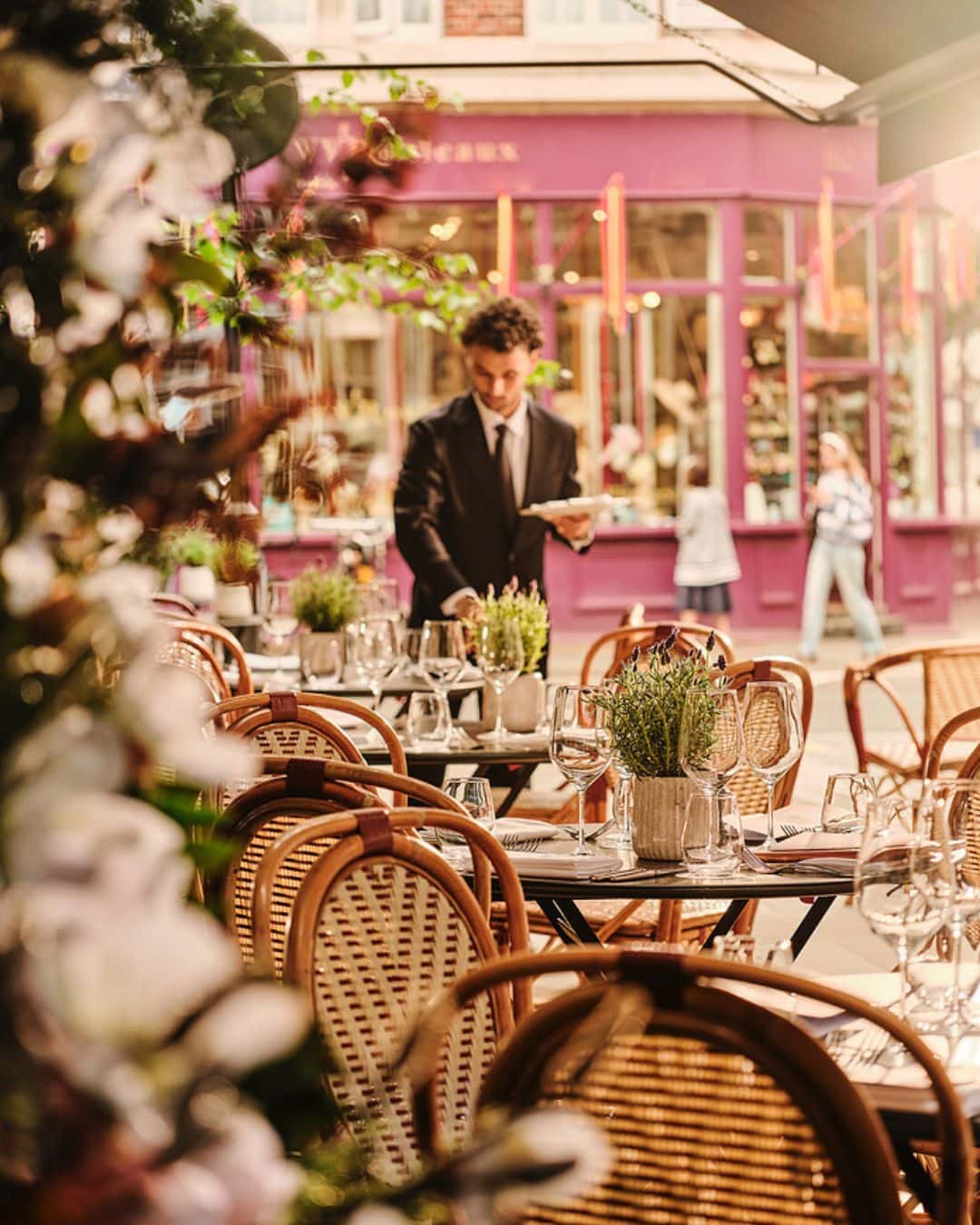
The Coach Makers Arms located at the beating heart of the Marylebone Village community, is thriving despite difficult trading times for all. It boasts a traditional pub on the ground floor, a chophouse-inspired restaurant on the floor above, and a speakeasy cocktail bar in the basement.
For arts and culture, The Howard de Walden Estate proudly supports The Wallace Collection, is located in Hertford House in Manchester Square. The Collection showcases many treasures, including 18th century French art, important paintings from the 17th to the 19th century, an outstanding collection of armour, and Renaissance and medieval works of art. Then, there’s the Sherlock Holmes Museum and Madame Tussauds – both attracting visitors from around the world.
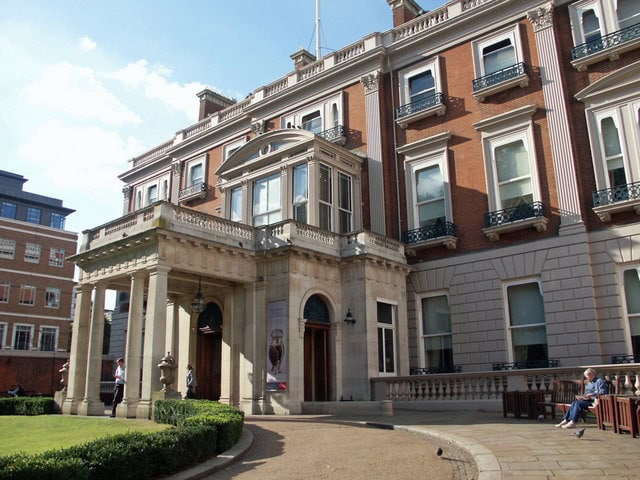
The Howard de Walden Estate continues to work cohesively to preserve heritage buildings that function effectively, providing modern amenities that serve the local community. As part of this, numerous historic mews are protected and cherished by those fortunate enough to live or work there. Under this Estate’s curatorship, all 92 acres that make up the Howard de Walden Estate will remain an inviting, desirable and beautiful place to live, work and thrive for decades to come.
