What the 2026 Autumn Budget means for the Prime Central London property market

The mood of the Autumn Budget was, in one word, steady. And we think that’s a good thing. The Chancellor put fiscal discipline first, avoided broad tax rises on working households, and protected public services. The OBR now sees borrowing falling from 4.2% of GDP this year to 1.8% by 2030. For anyone making a big long-term decision, like buying a home, predictability is worth a lot.
Is the UK economy growing?
Yes, modestly. The OBR has upgraded growth this year to 1.2%, and it expects that to build to around 1.6–1.8% a year from 2028. It isn’t a boom, but it’s steady upward momentum, and the forecasters moved in the right direction.

The UK economy also compares better on the world stage than one might think. Earlier this month, the IMF declared the UK, together with Germany, the second-fastest-growing economy in the G7 in 2026. We’re not immune to global shocks, but relative to our peers, the UK looks solid.
What’s the catch?
Inflation is forecast to average 3.5% next year and only get back to 2% in 2028, partly because of the conflict in the Middle East. On top of this, the UK is expected to spend £14bn more on debt interest this year. That means interest rates and mortgage rates may stay higher for longer, and that matters as much as anything in the Autumn Budget. Our advice is to plan around today’s rates, not hope for rapid cuts.
About the property market: Did anything change on stamp duty?
No, and the market can live with that. There had been plenty of speculation, but stamp duty remains unchanged, with no cuts or reforms. Buyers and sellers now know the costs and can get on with their plans – uncertainty tends to stall decisions, so a clear answer is helpful in itself.
The mansion tax is going ahead. How worried should owners of £2m+ homes be?
The mansion tax (also known as the High Value Council Tax Surcharge) is real, but it’s not immediate and it’s not a cliff edge. The High Value Council Tax Surcharge applies to homes worth £2m or more, and the first bills won’t arrive until March 2028. There’s a deferral scheme, so owners with valuable homes but limited income can pay when they sell or pass the home on.
The Prime Minister has also confirmed that there will be exemptions and discounts, but details of these are still to be published. On the flip side, £2m+ homes that are left empty for 12 months or more will pay double the surcharge.
Our advice is to avoid making a rushed decision. Talk to us about where your property sits, and we’ll keep you updated as the detail emerges.
What does the Autumn Budget mean for landlords and investors?
Landlords face a tax rise on rental income, to 24%, 44% or 49% from April 2027. Some landlords may decide to sell, and that could add stock for buyers. For those who stay, less rental supply in central London is likely to support rents. Long-term investors in well-located, characterful homes with lasting tenant demand are still well placed. But it’s worth reviewing your numbers with your accountant now.

Is there anything for first-time buyers?
Yes: Your First Home launches in spring 2027. Buyers of new-build homes can put down a 2.5% deposit, with a government equity loan, and inner-London prices are capped at £650,000. And since 29 October, the Lifetime ISA penalty for buying above the £450,000 cap has fallen to 20%. That’s a real help in London, where that cap was often too low. More first-time buyers means healthier chains, and that helps every level of the market move.

The London property market and mews homes: Does London still stack up as a place to live and invest?
We certainly think so. The fundamentals that draw people here haven’t changed: the rule of law, world-class schools and universities, culture, and a deep job market. The Autumn Budget also leans into growth. It offers capital gains relief for start-ups that stay and reinvest in the UK, lower electricity bills for businesses, and more local powers for mayors from 2028. Next to a lot of Europe, the UK offers stability with growth, and London is where that comes together.

And mews homes specifically: how do they fit into all this?
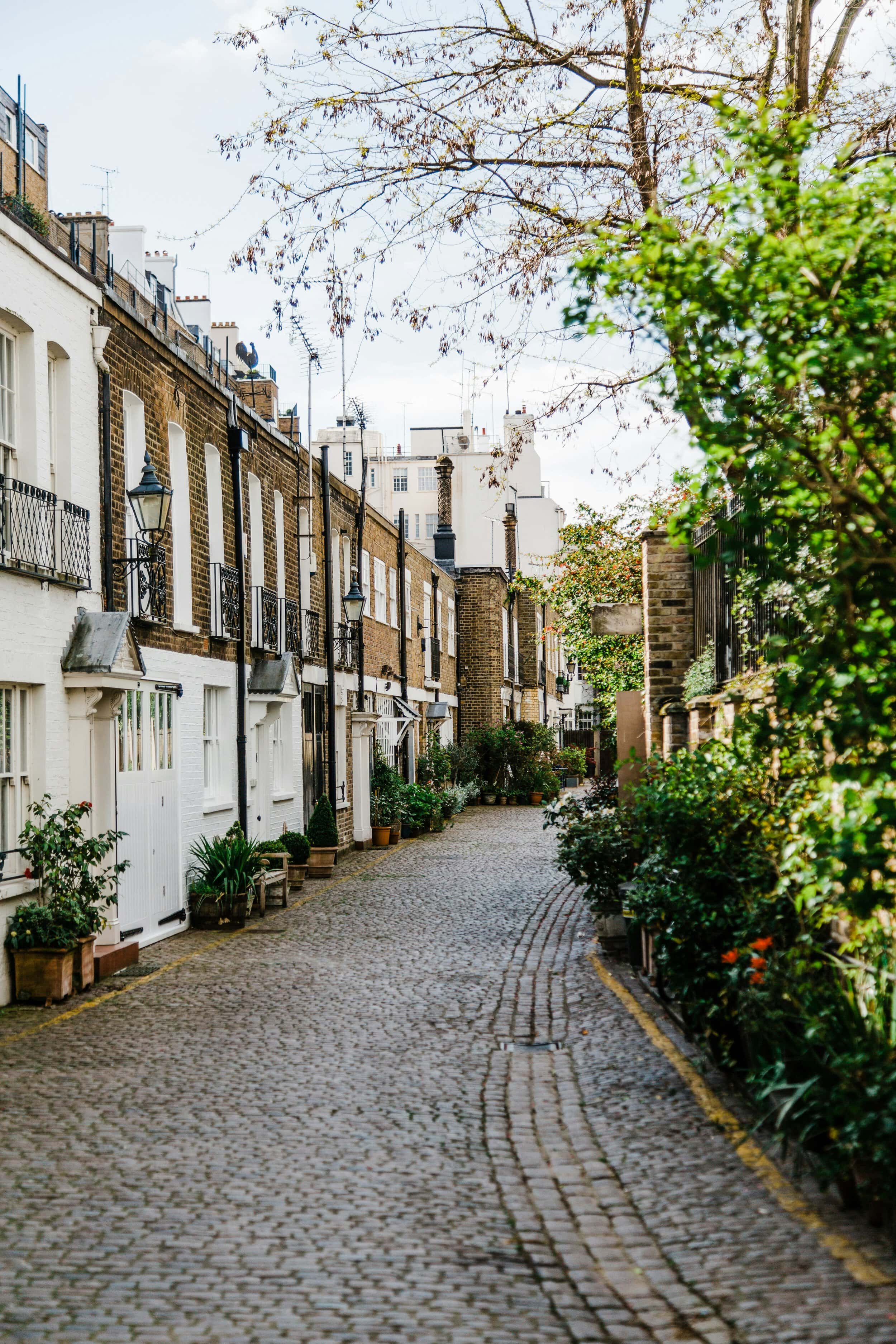
Mews homes are a very particular kind of London property. They’re tucked away and quiet, they have real character, and they sit in some of the best postcodes in the capital. Crucially, there are few of them and that scarcity has supported demand through different cycles. Yes, buyers need to factor in the £2m surcharge from 2028, but the people who want a mews house want it for the lifestyle, and that hasn’t changed.
How will the Budget affect you?
John Healy has brought us a steady Autumn Budget, an economy outperforming most of its peers, and a few changes worth planning for. If you’re thinking about buying or selling a mews home, or you’d like to know how the Budget will affect your property, get in touch with us at info@lurotbrand.co.uk or call us on 020 7590 9955.
Subscribe To Our Monthly Mewsletter
